

Are there typical types of rakia in Bansko?
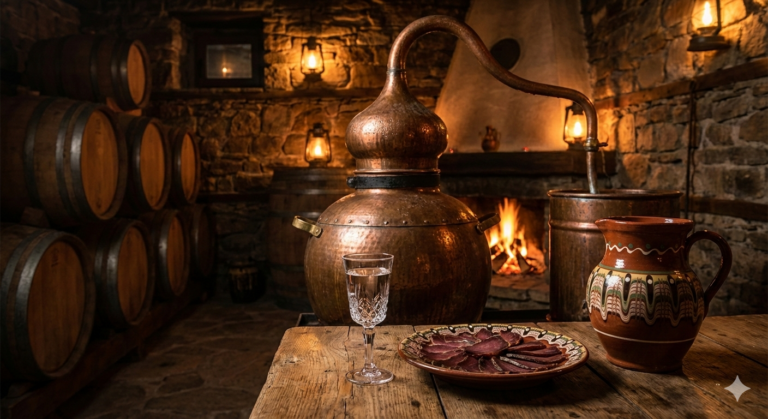
Tourists often ask if there is a factory for "Banska rakia". In Bansko itself there is no large-scale industrial production with such a label, but this is good news for connoisseurs. The real magic happens in the so-called "pots" and in the deep, cool basements of the old stone houses.
In almost every traditional tavern or family hotel you will be offered homemade brandy, produced according to a family recipe. Unlike mass-produced drinks, here every bottle has a story. The masters in Bansko are proud of the purity of their distillate and follow old technologies - no added sugar after brewing and with patient aging.
💡 Interesting: The tradition of "Kazan"“
Late autumn in Bansko is the time of the cauldrons. If you walk through the small streets in November, you will smell the specific sweet aroma of fermented fruits and wood smoke. The distillation of rakia is a social event - neighbors gather, taste the first (the first, strongest rakia) and roast potatoes in the heat of the cauldron.
Recommended local varieties and flavors
The Pirin region and the neighboring Razlog Valley offer specific climatic conditions. Although Bansko is a high-mountain town, the best grapes are supplied here from the Struma Valley (Kresna and Sandanski), and the local mountain orchards produce fruits with an intense aroma.
1. Grape brandy (Muscatova and Dzhibrovitsa)
This is the classic. Grape brandy in Bansko It is often double distilled (toasted) for greater purity. Locals „mellow“ it in oak or mulberry barrels, which gives it that characteristic golden-honey color and a light vanilla finish.
You need to distinguish:
- Muskatova: Very aromatic, fine and usually more expensive.
- Jibrovitsa: Made from the leftover material after winemaking, it is a sharper, “masculine” brandy that goes perfectly with heavy winter appetizers.
2. Plum brandy from mountain gardens
Plum is a traditional fruit for the higher parts of Pirin. This brandy is distinguished by a thicker body and a rich fruity flavor. It is more oily and is perfect for cold winter evenings in front of the fireplace.
3. Plum and Pear Brandy
Although rarer, these types are a true delicacy. Quince brandy is known for its exceptional aroma – just one glass can fill a room with the scent of autumn. It is often reserved for special guests.
Where to taste authentic rakia?
For a real experience, you should step outside the commercial hotel chains and immerse yourself in the coziness of the old Bansko taverns. Here is a selection of places where rakia is a religion:
| Venue | What to order? | Atmosphere |
|---|---|---|
| Tavern "Vodenitsata"“ | Special aged grape (10+ years) | Live folklore music and authentic interior. |
| Tavern "Pri Spaska"“ | Homemade rakia with herbs or mulled with honey | Family comfort, where Grandma Spaska herself cooks. |
| Obetsanova tavern | Double distilled plum brandy | The oldest working tavern, steeped in history. |
| “"“Santa Claus“"“ | Tasting menu with 3 types of rakia | Historical building and museum exhibition. |
Mulled rakia – the winter magic of Bansko
In winter, when temperatures drop below freezing after a long day on the slopes of Shiligarnika or the Plateau, in Bansko reigns the mulled brandy. This is the local elixir against colds and fatigue.
It is prepared in a specific way:
- Sugar (or homemade honey) is caramelized slightly in a cezve.
- Add the brandy, being careful not to boil violently so that all the alcohol does not evaporate.
- Spices are added – cloves, black peppercorns, and sometimes a piece of apple or orange peel.
The heated rakia is served in small ceramic cups and should be drunk while it is hot (watch your lips!). It warms the body instantly and whets the appetite for the meat specialties.
The Art of Appetizers: What to Drink with Rakija?
In Bulgaria, and especially in Bansko, rakia is never drunk without an appetizer. This is the law. The strong drink (often over 45-50 degrees in homemade variations) requires food to balance the alcohol.
- To begin: Shopska or Shepherd's salad, homemade pickles (pickles, royal pickles) or sauerkraut with red pepper.
- Dry appetizers: Thin slices Banski Starets (a local delicacy similar to lukanka, but with unique spices), sujuk or pastrami.
- Hot appetizers: Grilled bacon or baked cheese in a casserole.
Want to learn more about the flavors of Bansko?
Check out our complete guide to the best taverns and book a table for an unforgettable evening!
Practical safety and etiquette tips
- Not “on ex”: In Bansko, rakia is sipped slowly, in small sips, with enjoyment and conversation. Drinking “on the spur of the moment” is considered a display of bad taste (and leads to rapid drunkenness).
- Degrees matter: Be careful with the amount. Homemade rakia is often significantly stronger than store-bought rakia (45° to 55°). Two large rakias (2 x 100ml) are a serious amount.
- Talk to the staff: Don't be afraid to ask the waiter: „"Do you have anything special from the boss?"“. Often the best rakia is not described on the menu, but is kept in a special carafe behind the bar.
- Take-home gift: If you want to buy quality rakia as a souvenir, visit the specialized stores for mulled wine and live music and alcohol in the city center or look for local producers during festivals such as Wine & Spirits Fest Bansko.
In conclusion, rakia in Bansko is more than just a drink – it is the liquid history of the region, an invitation to friendship, and the best way to understand the soul of the mountain. Cheers!