

The establishment of Bansko as the winter capital of the Balkans
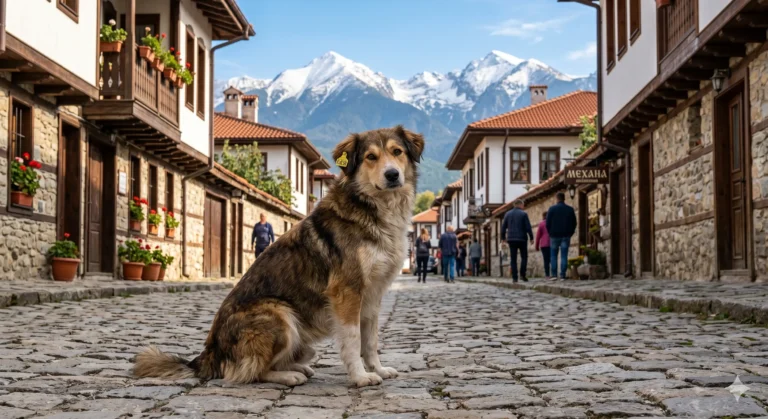
The culmination of the resort's branding strategy came on September 30, 2010 in the Serbian city of Novi Sad. During the International Tourism Fair, Bansko was officially awarded the prestigious award. The choice of location was symbolic - it was in Serbia, the homeland of its main competitors, that the Bulgarian town was crowned as the the winter capital of the Balkans.
The decision of the Balkan Association of Hoteliers and Restaurateurs (BAHA) was supported by global industry organizations. This status served as a powerful platform for large-scale advertising campaigns that drew the attention of tourists from the UK, Russia and neighboring Balkan countries to the Pirin Mountains.
Sports infrastructure and the World Cup
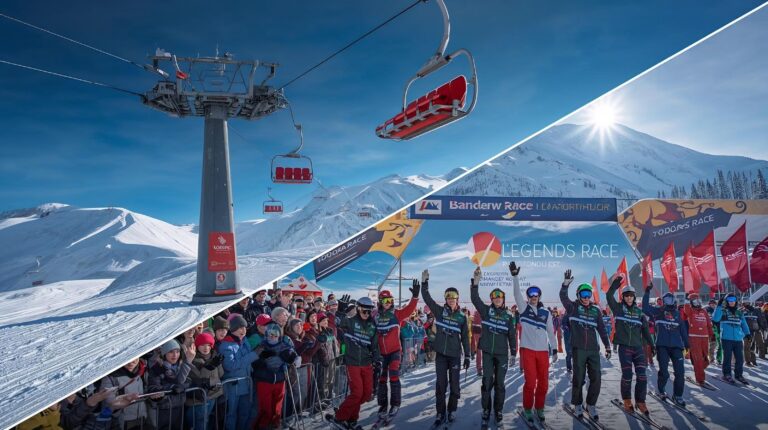
In 2010, the city lived with the rhythm of intensive preparation for the most significant sporting event in its history – hosting the 2011 World Ski Cup. The main focus was on the Banderitsa (Tomba) slope, which had to meet the highest technological standards of the FIS.
Technological leap in the ski area
So that it can the winter capital of the Balkans to host the world's elite, serious investments were made:
- Artificial snow system: The area was equipped with over 260 guns covering 75 km of runways.
- Engineering solutions: Modernization of the lift facilities and construction of temporary stands for the thousands of fans.
- Expert monitoring: The preparation was personally monitored by FIS delegates, ensuring the safety of the competitors.
Do you want to become part of the magic of Bansko?
Discover the best accommodations and current events at the resort.
Infrastructure Breakthrough: Water Cycle and Clean Air
Simultaneously with the successes in the mountains, the city went through difficult but mandatory repairs. The large-scale project for the “Integrated Water Cycle” was launched, financed by European programs. The rehabilitation of a 160 km network was vital for the preservation of the Glazne River.
Gasification of private homes and large hotels also became a priority. The aim was to reduce smoke from solid fuel in winter – a critical factor in maintaining the reputation of the winter capital of the Balkans as a modern and ecological destination.
Change in the real estate market: The Russian wave
2010 marked the end of the era of British speculative investment. After the property crisis, the profile of the buyer changed dramatically. The English were replaced by Russian citizens who were looking for a “second home” in the mountains.
| Market aspect | Trend in 2010. |
|---|---|
| Investment type | From speculative to holiday |
| Leading market | Russia and the CIS |
| Preferred properties | Luxury complexes with SPA services |
Cultural Rise: Jazz and Opera under the Open Sky
To become a year-round destination, the winter capital of the Balkans invests enormous energy in culture. The XIII International Jazz Festival in 2010 brought together world stars on the central square, and the first edition of the “Bansko Opera Fest” proved that classical art has its reserved place at the foot of Pirin.
UNESCO and the ecological balance
There were also challenges. UNESCO's decision to declare the ski areas a "buffer zone" of Pirin National Park set clear boundaries for future development. This act legitimized the existing situation, but also required Bansko to prove that it could be the winter capital of the Balkans, without disturbing the natural balance.
In conclusion, 2010 was the year Bansko grew up. The city embraced its title and began to build an infrastructure and image that today make it a preferred choice for thousands of tourists from all over the world.