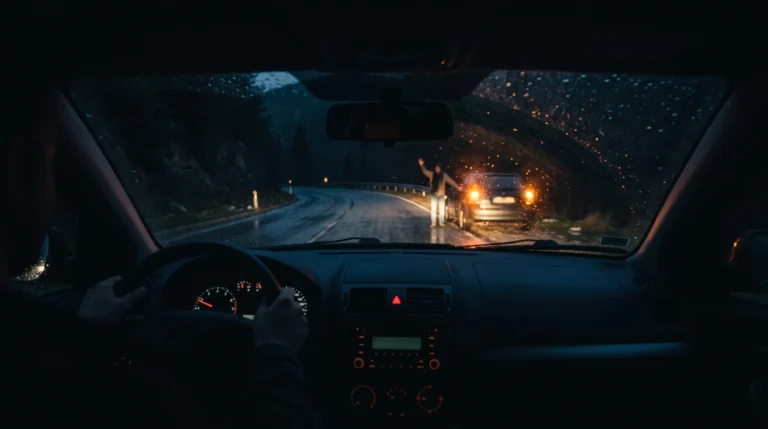





Murphy's Law applies in the hotel industry: If the water heater is going to break, it will happen exactly when the hotel is full to the brim, it's -10 degrees outside, and your most capricious guest is in the room.
We are all afraid of difficult guests and negative reviews on Booking.com. But the truth is that problems are inevitable. The difference between a 5-star hotel and an amateur is not the absence of problems, but the way they solve them.
In Part 4 of “Hotelier Academy – Bansko”"we will introduce you to a psychological phenomenon that will change the way you look at scandals: The Service Recovery Paradox.
What is the “Recovery Paradox”?
Research shows that a guest who had a problem and he was brilliantly resolved by the staff, often becomes more loyal and gives a higher rating than a guest who has had no problems at all. Why? Because they have seen that you care and that they can count on you in a difficult time.
Fire extinguishing algorithm (LEARN model)
When a guest yells at you at the reception, your instinct is to defend yourself (“But it’s EVN’s fault, not mine!”). Wrong. Here’s a working algorithm for calming them down. difficult guests:
- L (Listen) – Listen to: Let him “empty out.” Don’t interrupt. Nod. Often people just want to be heard.
- E (Empathize) – Empathy: “I understand how annoying it is to not have hot water after skiing. I would be angry too.”
- A (Apologize) – Apologize: No “ifs” or “buts.” Just “I’m sorry for the inconvenience.”.
- R (React) – Reaction: Offer a solution immediately. (See examples below).
- N (Notify) – Tracking: After 30 minutes, call to ask if everything is okay.
Scenario: Accident in peak season (Bansko Classic)
It happens every winter. The power goes out in the whole neighborhood or the water heater blows. The guests are freezing and want a shower. What do we do?
| WRONG REACTION | CORRECT RESPONSE (Recovery) |
|---|---|
| “Sir, the emergency is central, there is nothing I can do. We are waiting.” (Feeling of helplessness) |
“"I'm terribly sorry. The accident is external, but while we wait for the crews, please come and have a free hot drink." mulled wine and live music and a platter of local appetizers in the lobby by the fireplace. (Distraction + Compliment) |
Golden rule of compensation: You don't always have to give money back. Often, a free shuttle to the slopes, a bottle of wine, or dinner costs the hotel much less than a discount on the night's stay, but has more emotional value.
Red flags: “Party tourists”
Around December 8th and the student holidays, Bansko fills up with groups who come not to ski but to party. They are a nightmare for family hotels because the noise drives away other guests.
How can we recognize them and stop them in time?
- Preventive communication: In your booking confirmation, please add in bold: “Please note that the hotel is family-run and quiet hours between 22:00 and 08:00 are strictly observed. Violation will result in a fine or termination of the stay.” This discourages “parking party” groups right at the entrance.
- Damage deposit: For large groups of young people, require a cash deposit upon check-in (e.g. 200 BGN per room). The psychological effect is immediate – they become much more attentive.
Online Reputation: How to Respond to Bad Reviews?
You received a couple on Booking with the comment: “It was cold and the staff was rude.” Your blood boils. You want to write a novel about how they left the window open themselves.
⚠️ WARNING: Do not write a reply while you are angry!
Your reply is not for the specific guest (it has already been lost). Your reply is being read by the future hundreds of customers. They look at whether you are aggressive or professional.
The formula for a perfect answer:
- Thank you: “Thanks for the feedback.”
- Admit (without humiliating yourself): “We are sorry the temperature was not comfortable for you.”
- Explain (briefly): “Our system maintains 23 degrees, but maybe we should have provided an additional heater right away.”
- Show change: “We have already purchased additional convectors for such cases.” (This is the most important part – you are showing that you are developing).
Turn a defect into an effect
If your hotel is old and the soundproofing is poor, don't hide it. Write it in the description: “Authentic old house with wooden floors that creak and tell stories. We recommend earplugs for light sleepers (provided by us).” That way the right guests will find it charming, and the wrong ones will simply not book.
The crisis is under control. And the money?
You now know how to keep guests happy, even when things go wrong. But how do we make sure we’re making enough money from them? In the next article, we’ll talk about “Pricing Psychology” and how to sell more without losing bookings.