

In this guide, we will look at how to turn a transportation unit from a “necessary evil” into a profitable machine.
1. Private vs. Shared (Shuttle) transfer
The first strategic decision is what product you sell. Both models have a place in the market, but require a different approach.
The Private Transfer (The Premium Choice)
You're selling exclusivity here. The driver is waiting for a specific family or group. The bus leaves immediately.
- Advantages: High revenue from one course; fewer logistical headaches (no waiting for other flights).
- Risks: If the flight is delayed by 3 hours, the driver and the bus are stranded, losing the opportunity for another course.
- Pricing 2026: Average price €160 – €220 per way (for an 8+1 van).
Shared Shuttle (The Volume Game)
You are collecting people from 3-4 flights landing within a 90 minute range. The price is per seat.
- Advantages: Maximizing revenue from one course (8 people x €35 = €280).
- Risks: Unhappy customers if one flight is late and the others have to wait. Requires perfect dispatching work.
2. The “Empty Leg” Problem
The biggest profit killer in transfers Sofia-Bansko is the return of an empty bus. If you drive tourists to Bansko and return empty to Sofia, you have burned fuel and the driver's time for 340 km, and you have only taken money for 170 km.
Optimization strategies:
- Affiliate network (B2B): Create a WhatsApp group with competitors. When you have an empty flight to Sofia, write: “I have an empty V-Class from Bansko at 14:00, looking for passengers.” It is better to take 50% from a colleague’s price than 0%.
- Day trips: Use the buses that brought tourists to Bansko in the morning to return other tourists who want a “Shopping tour in Sofia” or “Sightseeing in Plovdiv” before the evening flight.
- Dynamic pricing: Post “Last Minute” offers on social media for locals of Bansko who want transportation to Sofia for the price of a bus ticket, just to cover the fuel.
3. Technologies: FlightRadar and Dispatch Software
In the age of smartphones, you can't manage transfers with a notebook and pen. Digitalization is a must.
- FlightRadar24 (Paid license): A must-have tool. The dispatcher needs to know that the flight from London is delayed before it even takes off, in order to reroute the driver.
- Communication: Use automated SMS/WhatsApp messages. 24 hours before the flight the client receives: “Your driver is Ivan, tel: +359…, he will be waiting for you with a sign '‘Bansko Travel‘'”. This reduces tourist panic and phone calls.
- GPS tracking: You need to know where your buses are at all times to react in the event of an accident or traffic jam.
4. The Fleet: Diesel or Electric in 2026?
This is the big debate. European regulations are pushing for EVs (Electric Vehicles), but the Sofia-Bansko route (160 km) has its own specifics.
The recommendation for 2026:
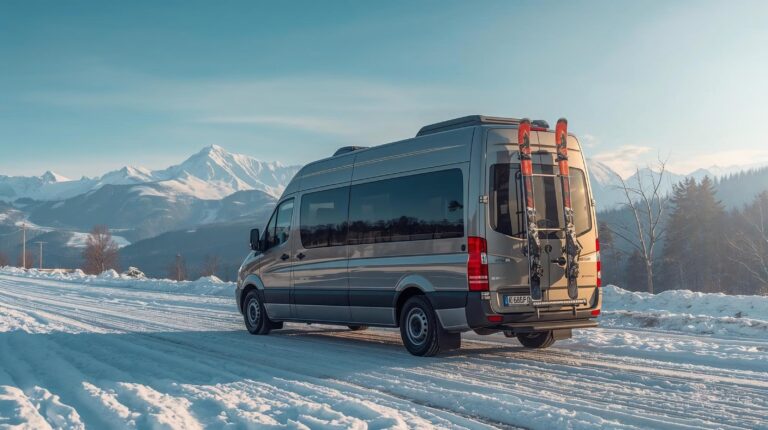
Bet on modern Diesel Euro 6d/7 buses for the main fleet. They are reliable, charge in 5 minutes and have no problem with mileage in severe winter conditions. Leave the electric ones for VIP transfers in the city or summer excursions until battery technology becomes resistant to cold.
5. The Driver: The Face of Your Company
You can have a brand new Mercedes, but if the driver is sullen, smokes in the car, or drives risky, the customer will not return.
Driver standards:
- Dress code: Not a tracksuit, but a shirt or a branded polo shirt.
- Language: Basic English is a must. They don't have to recite Shakespeare, but they should be able to explain how long it takes to get to the hotel.
- Luggage assistance: Mandatory. The customer should not touch their suitcase unless they want to.
- Safety: We drive tourists, not potatoes. Smooth driving on the curves of the Border is an art that is highly valued (and brings tips).
6. Licenses and Legality (SAI)
The gray area in transfers is decreasing and checks are increasing. To sleep peacefully, make sure you have:
- License for “Occasional carriage of passengers” (or contract with a licensed carrier).
- Certificate of psychological fitness for drivers.
- Travel books for each course.
- “Accident on the spot” insurance.
Conclusion: Trust is the currency
The business with transfers Sofia-Bansko It's not just transportation from point A to point B. You're selling peace of mind. When a tour operator from England knows that your drivers are always on time, the buses are clean, and communication is fast, they won't switch you to a competitor who is 5 euros cheaper.
Invest in logistics and people, not just in sheet metal.