



The route Sofia-Bansko (approximately 160 km) has a specific character that tests every vehicle. The combination of a highway, the steep climb of the Predel Pass, sharp turns and unpredictable winter conditions requires a strategic approach to vehicle selection. A van that is economical for urban deliveries can become a “black hole” for money if used for daily mountain trips.
1. Why is category 8+1 the “Gold Standard” for Bansko?
If we analyze the market in 2026, 9-seater minibuses (configuration 8 passengers + 1 driver) remain the undisputed leaders. The reasons for this are purely economic and operational:
- Availability of footage: Driving them only requires a category “B” driver’s license. This allows you to hire drivers more easily without competing for the few remaining professionals with category “D”.
- Cost optimization: In Bulgaria, these vehicles are charged as passenger cars for vignette taxes. The savings on toll taxes compared to 20-seater buses are significant with over 200 trips per season.
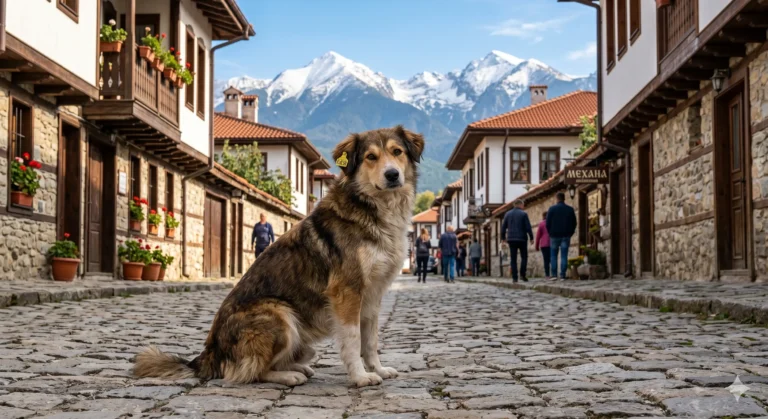
- Maneuverability in urban environments: The old town of Bansko is famous for its narrow cobblestone streets. The 8+1 buses reach directly to the door of every guesthouse or small hotel, which is key to the “door-to-door” service.
2. Comparative analysis: Premium vs. Economy class
One of the most common questions entrepreneurs ask is: “Should I invest in image or low cost?” The answer depends entirely on your target audience.
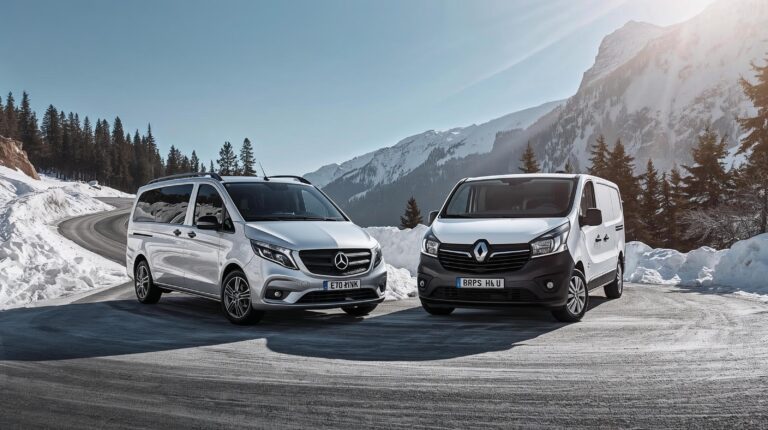
| Parameter | Mercedes V-Class (Premium) | Renault Trafic / Ford Custom |
|---|---|---|
| Initial investment | High (€85,000+) | Reasonable (€38,000 – €45,000) |
| Income from one course | €180 – €260 (VIP) | €110 – €150 (Mass) |
| Depreciation | Low (holds price as used) | High (rapid depreciation) |
| Passenger comfort | Exceptional (air suspension) | Standard (workhorse) |
3. The Electrical Dilemma: Is it Realistic for the “Border” Pass?
Environmental regulations and the pressure for “green” transportation are stronger than ever. However, physics does not tolerate compromise. Models like Mercedes-Benz E-Class or VW ID. Buzz are technological jewels, but in the context of transfers to Bansko they have serious limitations.
The winter range of an electric bus drops by up to 40% at negative temperatures and full load. If according to the specification the car covers 350 km, the reality in January with increased heating and 8 people with luggage is about 190-210 km. This makes the “reversal” of the course (Sofia-Bansko-Sofia) impossible without intermediate charging.
Conclusion: By 2026, the most reliable choice for a main fleet remains Diesel Euro 6d/7. Electric vehicles are only suitable for “Intra-resort” transfers (between hotels and the lift base station).
4. Critical points in winter maintenance
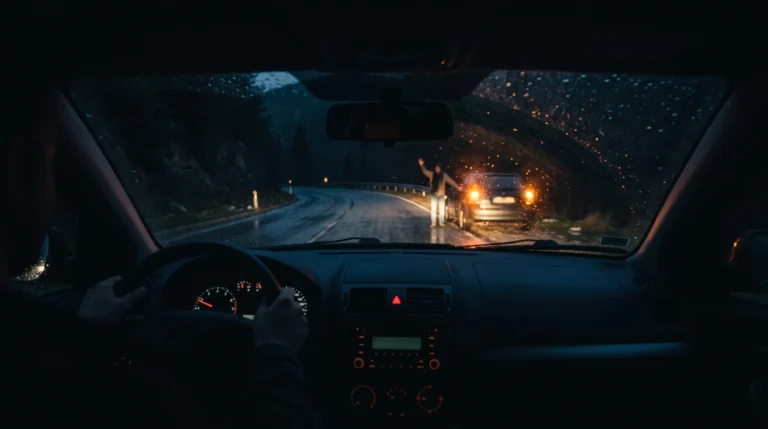
A car stuck on the “Predel” pass is the biggest anti-advertisement for your company. Bad reviews on Google Maps and TripAdvisor can destroy your business in weeks.
Mandatory safety checklist:
- High-end tires: Forget about “budget” solutions. Brands like Nokian (winter conditions specialists) or Michelin Alpin are mandatory. Grip on wet snow and ice is the difference between a successful transfer and an accident.
- Professional snow chains: Your drivers should have “quick-release” chains (e.g. Thule/KonigSaving 500 leva from chains can cost 2 hours of delay and freezing customers.
- Fuel quality: Diesel waxing at -20°C is a real risk. Use only premium additives and refuel at locations with proven winter diesel.
5. Financial Model: Operating Lease vs. Purchase
In 2026, car ownership becomes less attractive for businesses. Operating leasing is emerging as the leading model for transfer fleet.
How to calculate TCO (Total Cost of Ownership)?
To find out if your business is profitable, you need to calculate:
- Monthly leasing payment + Insurance (Casco/CV).
- Average fuel consumption at full load (for Bansko, expect +15% above the catalog value).
- Costs for consumables (pads and discs are replaced twice as often due to mountain riding).
- Driver's salary and insurance.
Conclusion: The path to successful business
Choosing the right one fleet of vehicles for transfers to Bansko is a balance between mathematical precision and customer care. In 2026, the winning companies will not be those with the flashiest cars, but those whose schedules are not disrupted by technical problems. Invest in reliability, train your drivers in mountain driving, and don't compromise on winter preparation.