

The Green Imperative and ESG Standards
Sustainability is no longer just a marketing niche, but a legal framework. With the introduction of the new ESG (Environmental, Social, and Governance) directives, tour operators are required to measure and report the carbon footprint of their services. Bansko has all the resources to be a leader in this “green” transformation in the Balkans.
1. Creating “Green Packages”: Beyond the Ski Slopes
To offer an authentic sustainable tourism in Bansko, it is necessary to look at the destination as a single organism. Modern eco-packages in 2026 should include three main pillars:
- Eco-accommodation: Priority partnership with sites that use renewable sources, geothermal heating (key for the Banya village area) and implement strict policies to eliminate plastic.
- Low-Carbon Logistics: Integration of electric minibuses for transfers and active promotion of the Rhodope narrow-gauge railway as an ecological and attractive alternative for access to the region.
- Local gastronomy: Organizing visits to small producers and taverns working on the "farm to table" concept, supporting short supply chains in the Razlog Valley.
2. Zero footprint and Zero Waste practices
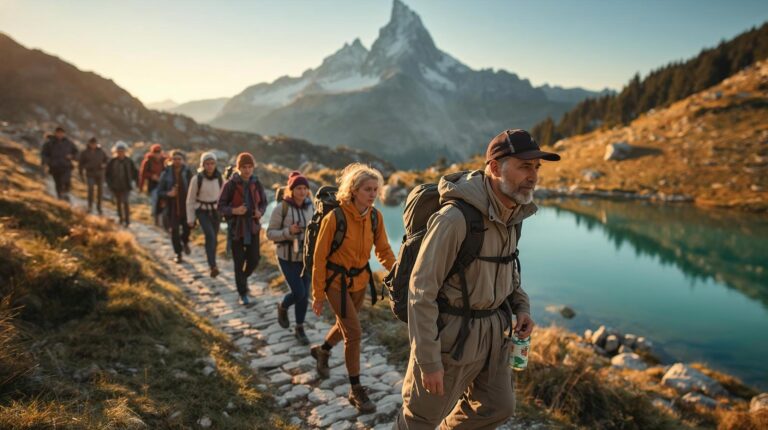
Professional tour operators can dramatically change the behavior of their groups through easy-to-implement steps. The transition to sustainable tourism in Bansko requires an active role in waste management during mountain hikes.
Important advice for business: Stop offering single-use plastic bottles. Instead, provide your customers with branded aluminum bottles and an interactive map of clean mountain spring water fountains in the city and along the trails.
3. The Social Element: Community Support
True sustainability is unthinkable without the economic well-being of local people. In 2026, leading agencies in the region are investing in three main areas:
- Certified local guides: Engaging people from Bansko who know the folklore and hidden paths of Pirin in detail guarantees an authentic experience and retains the added value in the city.
- Cultural workshops: Including in the itineraries demonstrations of traditional woodcarving, weaving on Razlog looms or lessons in authentic Bansko kapama and chomlek cooking.
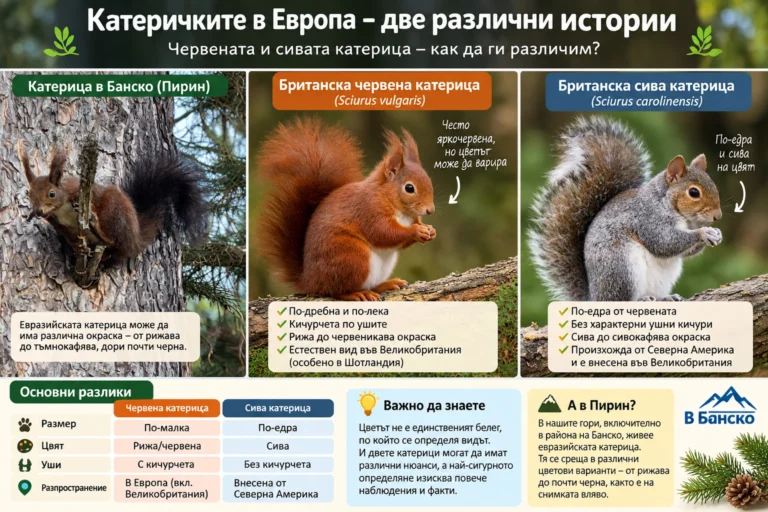
- Eco-education: Conducting informative talks about the protected species in Pirin National Park and the importance of biosphere reserves for the climate balance.
Do you want to certify your tourism services as “Green”?
Values Marketing: Attracting the Conscious Tourist
Customers in 2026 have a heightened sense of the so-called. “greenwashing” (fake environmental PR). To build trust, bet on transparency. Instead of general phrases, use measurable data: „With this package you save 20 kg of CO2 emissions.“ Use video content to show your real contribution – from cleaning eco-trails to financially supporting the restoration of huts.
Sustainable tourism in Bansko is not an end in itself, but the only path to long-term development. Pirin is our most valuable asset and its preservation is a guarantee for the success of the tourism industry for decades to come.