

For the average teacher, bank employee, nurse or retiree, the tourist season brings a completely different emotional and life-changing experience. The question that increasingly arises in the middle of winter is: do the locals love us, or do they just tolerate us because of economic duress? And is it possible that overpopulation will lead to a boiling point similar to the radical events we have seen in other parts of Europe?
The Spanish scenario: Overtourism and water guns
To understand the true scale of the problem, we need to look beyond Bulgaria's borders. In the summer of 2024, the world's news agencies were flooded with unprecedented and shocking footage from Spain. In Barcelona, Mallorca and the Canary Islands, tens of thousands of locals took to the streets in mass protests against tourism. Tensions escalated to the point where radical groups began spraying tourists sitting in restaurants with water pistols, chanting: “Tourists, go home!” & “Your luxury is our misery!”.
The reasons for this unprecedented anger in Spain were abundantly clear – the global phenomenon overtourism. It has led to a drastic increase in rents due to Airbnb-type platforms, the displacement of local people from their native neighborhoods, the overloading of water supply and transportation infrastructure, and the complete loss of the cultural identity of cities.
Warning: Are we threatened by similar scenes in Bansko?
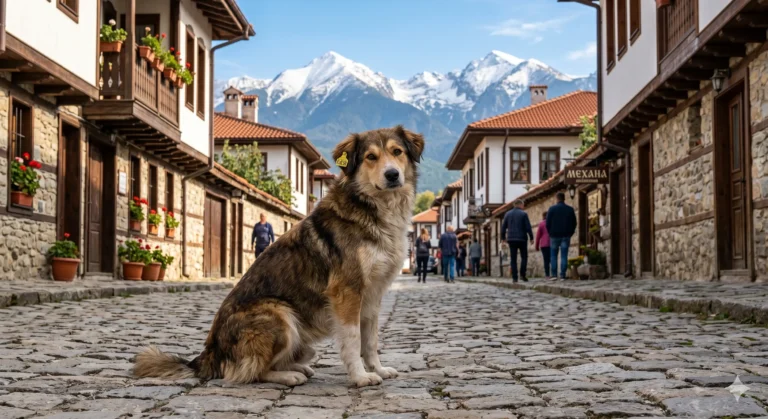
The short answer is: we are unlikely to see people from Banska Bystrica with water pistols in the central square. The culture of the Balkans is different, and the dependence of the entire region on the economic benefits of tourism is too deep. But if we look more closely, we will notice that the root of the problem is exactly the same. The resistance here is passive – expressed in angry posts in Facebook groups, sharp remarks on the street to incorrectly parked cars or distant glances at noisy companies.
The Price of Fame: The Everyday Life of an Ordinary Banska Bystrica Citizen
To show true empathy as tourists, we need to step into the shoes of those for whom Bansko is not a weekend destination, but their only home. Imagine living in a town with a permanent population of around 9,000. Suddenly, within a few months (December to March), the population swells to 30,000-40,000 people daily. What does this demographic explosion mean for people outside the tourism sector?
1. Inflation at the doorstep
One of the most painful problems for the locals of Bansko is the so-called “tourist inflation”. People who work on fixed salaries in the state or local non-tourist sectors shop at the same supermarkets as solvent visitors from London, Tel Aviv or Sofia. When the prices of basic food products jump “seasonally”, this hits the pocket of the average person directly. Restaurants in the center become financially inaccessible for a large part of the local population, leading to the painful feeling of having become foreigners in their own city.
2. The property crisis and the fate of young families
Like Barcelona, Bansko is experiencing an acute crisis in long-term rentals. For a young local family who wants to separate from their parents, it is extremely difficult to find accommodation at a normal, “Bulgarian” price. The reason is prosaic – almost every free square meter that is habitable is given over to overnight stays on short-term rental platforms. This creates a hidden, but very strong tension and a feeling that the city belongs to external investors, and not to the people born in it.
3. Infrastructure under siege and the parking war
Imagine being late for work or having to take your child to kindergarten on a cold January morning. The journey along Glazne Street, which usually takes 5 minutes, now takes 40 because of kilometer-long traffic jams of cars traveling to the station. Gondola. Even more annoying is the parking problem. It's not just an inconvenience – it's a gross invasion of personal space and a disruption to the rhythm of life when you wake up with a blocked garage.
Perspectives: Why do we sometimes encounter frowning faces?
If you venture outside the tourist bubble and into the old, quiet neighborhoods of Bansko, you may encounter a cold attitude. There are real psychological reasons behind it:
- The “abandoned engine” syndrome: A classic sight in winter is a tourist who lets his car idle for 20 minutes under the terraces of an apartment building to warm up the cabin. For the tourist, this is comfort; for the local resident who opens his window in the morning, it is poisonous air and annoying noise. When you are given a sharp remark, it is not the result of bad upbringing, but of despair from the terror that repeats itself every winter.
- The feeling of “living in decor”: Ordinary people in Bansko are oversaturated with cameras and phones. When a local is chopping wood in his yard or hanging out his laundry, he doesn’t want to be part of someone’s “authentic” Instagram story. Protecting personal space is often confused with inhospitality on the part of guests.
Useful information: The silence that disappears
For many older Bansko residents, the real Bansko was a place of mountain silence and neighborly camaraderie. Today, during the high season, this silence is replaced by the honking of horns, the revving of powerful engines, and the shouts of partying parties into the wee hours of the night. Understanding this nostalgia is the key to better relations between locals and visitors.
Why does balance exist despite everything? (The Bright Side)
It would be extremely unfair and factually incorrect to claim that the locals of Bansko they hate tourists. The people of Banska Bystrica are famous for their mountain common sense, pragmatism and intelligence. Even those who do not receive direct income from tourism see the big picture and the indirect benefits.
Thanks to huge tax revenues and investments, Bansko has an infrastructure, maintained streets, parks and utilities that hundreds of other Bulgarian municipalities can only dream of. While many small towns in Bulgaria are depopulating, Bansko is bustling with life. Local youth have access to an international environment, learn foreign languages naturally and have alternatives for realization without having to emigrate abroad or to the capital. Last but not least is the pride – the fact that their small town is recognized as a world destination warms their hearts, no matter how much they grumble about the traffic.
How to be the tourists that the locals of Bansko respect?
To never reach the Spanish hate scenario and to turn our stay into a harmonious experience, very little is needed – empathy, education and common sense. No one expects us to stop visiting the resort. They simply expect us to behave like respectful guests in someone else's home.
- Park with a thought: Use public and paid parking lots. Never park on sidewalks, in front of garages or in front of house entrances, even if the excuse is “just for 5 minutes.”.
- Protect the air: Turn off your car engine while waiting for friends or loading luggage. The mountain needs fresh air, and so do the lungs of the locals.
- Soften the tone in the evening: If you've rented an apartment in an apartment building (rather than a standalone hotel), remember that the people behind the wall are getting up at 6:00 a.m. tomorrow for work. They're not on vacation.
- Photograph with permission: Respect people's personal space. A smile and a polite question “Can I take a picture of your beautiful portal?” They open many more doors than the cheeky pointing of the lens into the courtyards.
- Support small local businesses: Buy some bread from the little neighborhood bakery, leave a tip for the person who helps you with your luggage, and say “Good morning” to the saleswoman at the neighborhood store.
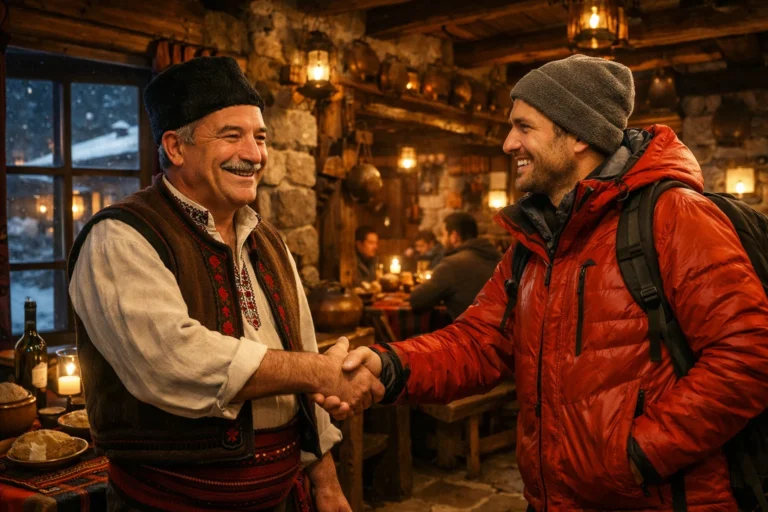
The people of Banska Bystrica are tough mountain people, nurtured by the harsh climate of Pirin. They may seem stern at first glance, but they carry huge, warm hearts. When you show that you respect their city, their daily life and their rules, the cold facade will quickly crack. Then you will understand that true Banska Bystrica hospitality is not bought with money in an expensive tavern – it is earned with humanity on the street.