



It is understandable that this causes dissatisfaction. You lose valuable skiing time, and your plans for the day are ruined. However, the truth is that these interruptions are categorically not at the discretion of the ski area management. They are done entirely and solely in the interest of your personal safety. In this article, we will take a detailed look at why wind is the biggest enemy of cable cars and what you need to know about your rights as a tourist.
Technical limitations: When and why does the gondola stop in Bansko?
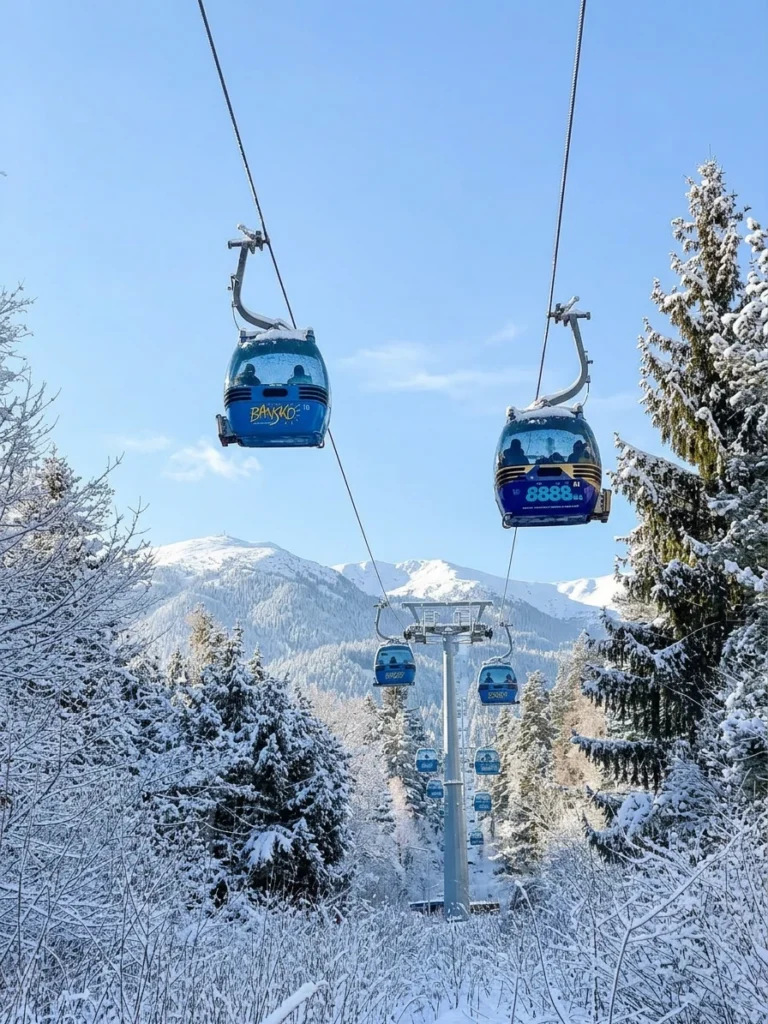
The gondola lift in Bansko is a modern engineering facility of the highest class, manufactured by the world leader in the industry – Doppelmayr. Despite its exceptional reliability and massive construction, like any cable car, the gondola has strict operational limitations imposed directly by the manufacturer, which are not subject to compromise.
The main problem is not so much the headwind as the side gusts. They cause the cabins to swing like a pendulum. If the angle of this lateral swing becomes too large, two critical risks arise:
- Danger of the cabin hitting the metal structure of one of the pillars when passing.
- Danger of the grip (the mechanism that holds the cabin firmly to the supporting steel rope) giving way due to unnatural twisting and tension.
The Price of Compromise: The Tragedy We Shouldn't Forget
To fully understand how serious the situation is and why lift operators are so cautious, it is enough to recall the events of the very recent past. Safety rules in Alpine conditions are literally written in blood.
This nightmarish case is the clearest proof that when the management of the Bansko ski area makes the difficult decision to suspend the operation of the gondola, it is not a whim, poor organization or an attempt to “save costs”. This is an absolutely mandatory, life-saving measure. Nature in the mountains is an element that does not tolerate arrogance.
Ski passes and compensation: What is the official policy?
The most frequently asked question about closed facilities is: “What happens to my money after I pay for a ski pass and the lift isn't working?”
The answer, although disappointing for many tourists, is clearly regulated in the General Terms and Conditions of the concessionaire of ski Bansko. The value of purchased ski passes is not refundable and lost days are not compensated. in cases of:
- Bad weather conditions (including gale force winds, dense fog or heavy snowfall).
- Increased avalanche danger, requiring the closure of slopes and facilities.
- Sudden power outage from an external supplier.
All these situations in law are classified as “force majeure circumstances” (force majeure). These are events over which the lift operator has absolutely no control and therefore bears no financial responsibility for the inability to provide the service.
Does travel insurance cover out-of-service lifts?
Many skiers rely on their mountain insurance, hoping that it will cover their financial losses in the event of a bad ski day. It is extremely important to distinguish between the types of insurance:
If you want to be financially protected from the vagaries of the time, you should look for very specific premium Trip Cancellation/Interruption insurance in advance, which explicitly includes a clause for “Piste Closure cover”. Such policies are offered mainly by international insurers, cost significantly more and always require that the facilities have been closed for more than 24 hours in order for payment to be activated.
What to do if the gondola is stopped?
If you wake up and find out that the cable car won't be operating due to strong winds, here are a few alternatives to avoid ruining your day completely:
- Use a car or bus: If the road to Shiligarnika or Banderishka Polyana is open and cleaned, you can go up by private car or organized shuttle bus. Keep in mind that in strong winds, the upper open chairlifts often do not work.
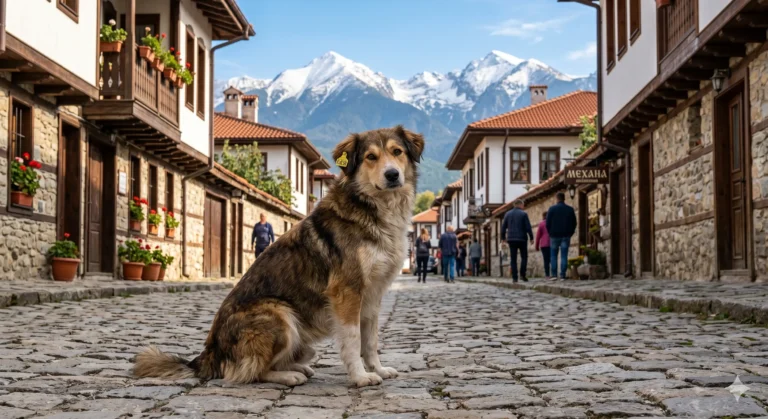
- Explore Bansko: Use the day for cultural tourism – visit the old town, museums or enjoy local cuisine in a traditional tavern.
- Relaxation and SPA: Bansko and the neighboring village of Banya (5 km away) are known for their excellent mineral pools and spas. A cold and windy day in the mountains is the perfect excuse for a hot thermal pool.
In conclusion
No one likes to have their long-awaited ski vacation ruined by bad weather. But the next time you hear that the gondola in Bansko is suspended due to strong winds, take a deep breath and remember that this decision protects the most precious thing - human life. The mountain will always be there, the slopes will be waiting for you tomorrow, but safety should never be sacrificed for the sake of one more descent.
Do you want to always be informed about the current status of the facilities?