

For Bansko 2013 remains in the modern history of the resort as a key period of profound socio-economic and cultural metamorphosis. This is the turning point when the city finally left behind the era of chaotic and spontaneous construction to enter a much more mature stage of development. The restructuring of investments, the surprisingly rich cultural palette and strategic infrastructure projects have transformed Bansko from a typical winter resort to a modern, year-round European destination.
While Bulgaria’s tourism sector was still dealing with the long-term effects of the global property crash, the local community and businesses in Bansko managed to find the right balance. New large-scale projects and elite sports venues began to paint a very different vision for the future. This detailed overview examines how Bansko was transformed in 2013 under the pressure of economic changes and the new, much higher demands of the global tourist.
The sporting triumph: Bansko 2013 and the European Biathlon
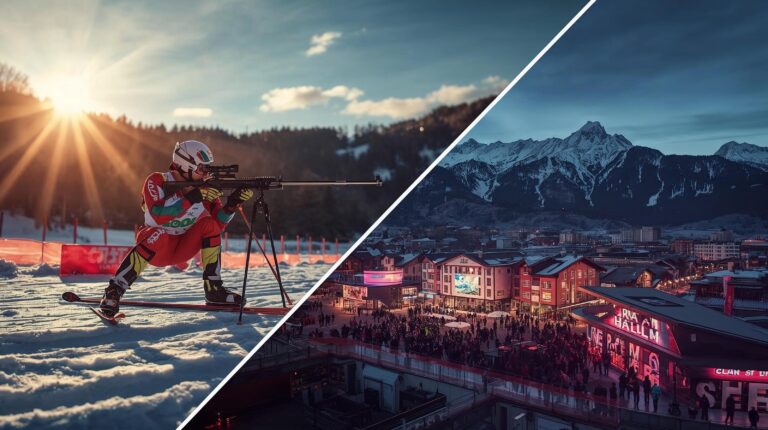
In February 2013, Bansko deservedly became the capital of European biathlon. Hosting the European Championships was not just a sporting event, but a huge logistical and organizational success. It definitively proved that the ski area above the town has the capacity, infrastructure and know-how expertise to serve a variety of elite disciplines, going beyond traditional alpine skiing.
The culmination of this sporting celebration was the exceptional performance of the Bulgarian athletes. Krasimir Anev's bronze medal brought indescribable national pride to the thousands of enthusiastic spectators who filled the stands of the Banderishka meadow. This event cemented the resort's reputation on the international sports map.
| Discipline (Men) | Achievement | Competitor |
|---|---|---|
| 20 km Individual | Bronze medal | Krasimir Anev (Bulgaria) |
Economic restructuring: The "Russian wave" in Bansko
The economic climate in Bansko in 2013. was marked by the long-awaited stabilization of the real estate market. After several years of painful decline and stagnation, the market finally found its equilibrium. This period is characterized by the final "changing of the guard" among foreign investors and holiday home owners.
Main trends in the real estate market in 2013:
- Price bottom and stabilization: Average market prices were fixed at realistic levels of around 370–450 euros per square meter, which restored buyers' confidence.
- New buyer profile: The mass withdrawal of British investors was offset by increased and massive interest from Russian buyers. The important difference was in the motivation – the new owners were mainly looking for properties for personal use and family vacations, not for quick speculative profit.
- Local business flexibility: Construction developers and real estate agencies adapted their strategies, introducing innovative the weather its installment payment and rent-to-own schemes, which further revitalized the dormant sector.
Cultural Revolution and the New Après-Ski Standard
Clearly aware of the changing needs of a much more demanding and diverse tourist audience, Bansko made a definite turn towards improving the quality of service. 2013 marked the birth of a completely new "après-ski" culture in the resort. Traditional taverns began to coexist with modern conceptual establishments.
The opening of establishments such as Euphoria Bar & Grill and the authentic Irish pub The Irish Harp offered an alternative that quickly appealed to foreign visitors. But the real revolution occurred in the city's cultural calendar, which diversified extremely sharply:
- Horizon Festival: The debut edition of this innovative festival was a game-changer. It brought in hundreds of young tourists from the UK and Western Europe for a week of quality electronic music against the backdrop of snowy peaks. The event opened up Bansko to a whole new demographic.
- Jazz and Opera: Traditional summer festivals continued to build on the city's image as a cultural hub. They established Bansko as an attractive summer destination, attracting world-famous performers, including Portuguese fado star Ana Moura.
Infrastructure, ecology and digital future
No less significant were the physical changes in the urban environment. 2013 was definitely the year of large-scale renovations and long-term planning. The official launch of the integrated „Water Cycle“ project worth over 42 million euros was critically important for the ecological future of the resort. This large-scale investment ensured the preservation of the purity of the Glazne River and modernized the outdated water supply network, which could no longer serve the increased capacity of hotels and complexes.
Along with the ecological steps, Bansko also made a huge technological leap. The town became the first mountain resort in Bulgaria with full and stable WiMAX coverage. Although it was not fully realized at the time, this step laid the solid foundations for the future attraction of thousands of digital nomads, who today call Bansko their home.
Conclusion: The Watershed of Quality
2013 was undoubtedly the watershed year in which Bansko realized that it could not rely solely on "concrete" and construction. The city began to actively invest in content, emotion and experiences. The resort emerged from this transitional period much more mature, offering better quality services and with the self-confidence of a destination that offers much more than just perfect skiing conditions.
Do you want to understand the full picture and how these changes affect the market today?

 English (UK)