

If we had to name one year that defined the modern look of Bansko with all its triumphs and contradictions, it is without a doubt... 2017. This is the weather, when the resort entered the most critical phase of its development – balancing between the world's sporting peak and street protests.
(See the full strategic analysis here).
After the stabilization in 2016, 2017 came not just with promises, but with real actions. The city became a litmus test for the ability of the state, business and local community to find an intersection between aggressive economic growth and environmental sustainability. From the euphoria in the stands of Banderishka meadow to the tension on the yellow cobblestones in Sofia – here's what our detailed analysis of the archives showed for this "year of paradoxes.".
The World Cup and the “Yankov Effect”
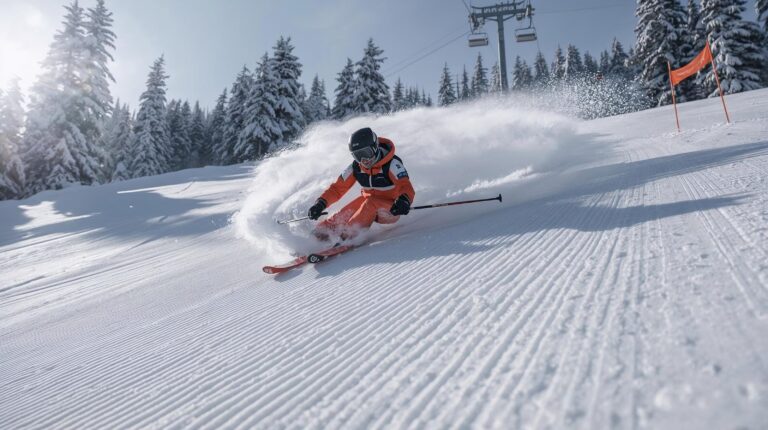
The 2017 sports year is starting with a bang. In February Bansko hosts the Snowboard World Cup in parallel disciplines. This event has become much more than just another competition on the FIS calendar. It was a strategic demonstration of organizational power. The perfectly groomed slopes, logistics and television broadcasting in HD quality to dozens of countries have positioned Bansko firmly on the global map of winter sports.
The infrastructure node and the social fault
But while the world's media cameras showed the ideal conditions up in the mountains, the reality for the average tourist at the foot remained complicated. 2017 mercilessly exposed the resort's "Achilles heel" - the capacity of the gondola lift's base station.
The imbalance between the rapid construction of hotels over the past decade and the unchanged transport infrastructure has reached its peak. Queues, winding for hours, have begun to generate negative reviews on social networks, threatening Bansko's image as a premium destination. This purely transport and economic problem quickly grew into a political one.
Real Estate: The End of Speculation and a New Beginning
Amidst these turbulent social processes, a quiet revolution was taking place in the real estate sector. 2017 marked the end of the “English era” of fire sales and the beginning of healthy growth. The market was cleansed of speculative elements.
If until 2015-2016 the leading motive was the “escape” of foreign investors, then in 2017 we saw the return of the Bulgarian buyer. The prices of quality properties near the lift stabilized in the range 1000-1200 euros per sq m. The buyer's profile changed radically - it was no longer about resale, but about buying a "second home" for family vacations. Then, for the first time, there was talk about Bansko's potential as a hub for digital nomads – a trend that is leading the city's economy today.
Culture as “soft power”
Bansko has proven that there is life outside the ski season. The summer and autumn festivals in 2017 played a key role in filling the hotels. The 24th edition of the “Bansko Film Fest” brought together the world’s elite of mountaineering and extreme cinema, showing that the town has a cultural capacity that goes beyond taverns and slopes.
Do you want the full picture?
Our detailed 30-page report contains accurate attendance data, legal analysis of Decision No. 821, and graphs of property price movements by neighborhood.
Keywords: Bansko 2017, Radoslav Yankov, Snowboard World Cup, Decision 821, Bansko property prices, Pirin protests, Bansko Film Fest, property investments, winter season 2017
 English (UK)