

If we look back at the weather, 2019 is not just another page in the history of Bansko. It is the fundamental watershed – the moment when the resort stopped growing in breadth and started growing in depth. Caught between grand economic ambitions and harsh ecological realities, Bansko has become a unique case study in the Balkans.
The end of the property bubble and the "healthy sobering up"„
For many years, the Bansko property market resembled a roller coaster driven by speculation. But 2019 brought the long-awaited calm. Unlike Sofia, where prices were skyrocketing at the time, Bansko has seen a „healthy correction.“.
The market was cleansed of toxic assets and unrealistic expectations. Property prices found their equilibrium between 650 and 850 euros per square meter – a decrease of about 12-15% compared to previous periods. However, this decline was not a signal of crisis, but of a return to reason.
| Market Indicator (2019) | Value / Change |
|---|---|
| Average property price | 650 – 850 euros/sq.m. |
| Price adjustment | Decrease with 12-15% |
| Basic buyer profile | Bulgarians, Romanians, Serbs, Macedonians |
The buyer profile has changed dramatically. British speculators have given way to Bulgarians and Balkan neighbors (Romania, Serbia, Macedonia) looking for a real second home, not a quick profit. This has created a more stable ownership structure, not subject to the currency shocks of the pound or the ruble.
The New Settlers: Bansko as the Office of the Future
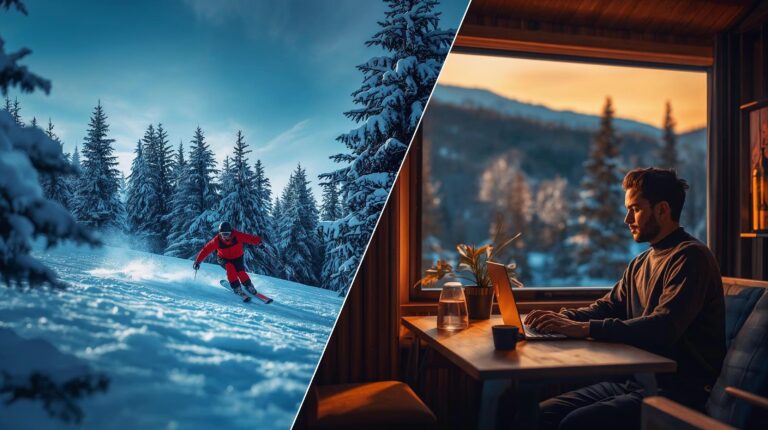
While the property market calmed down, a new, unexpected energy emerged on the streets of the old town. 2019 was the year in which Bansko officially defended its title of „European Capital of Digital Nomads“.
This was no longer just an experiment by a handful of enthusiasts. Thanks to the ecosystem around Coworking Bansko, the city recorded phenomenal growth of 245% as a hub for remote work, overtaking destinations like Helsinki. Nomads did something travel agencies had failed to do for decades – they beat seasonality.
These people didn't come for a weekend; they stayed for months. They rented apartments that would otherwise have been gathering dust, filled restaurants in the dead of November, and created invaluable marketing for the city, portraying it to the world as a modern, safe, and technological destination.
World stage and cultural scope
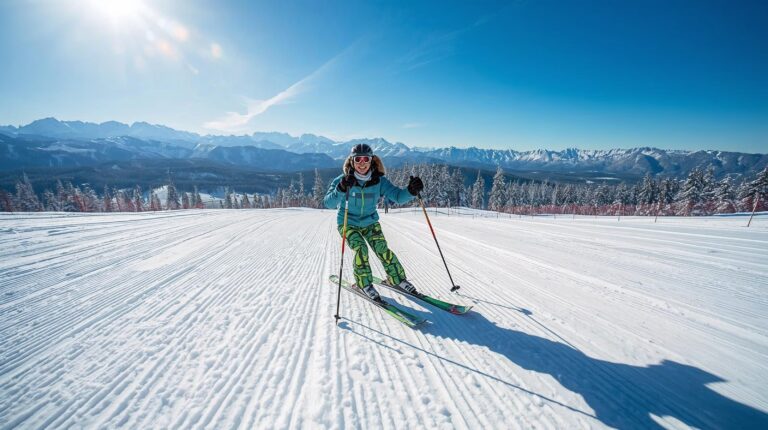
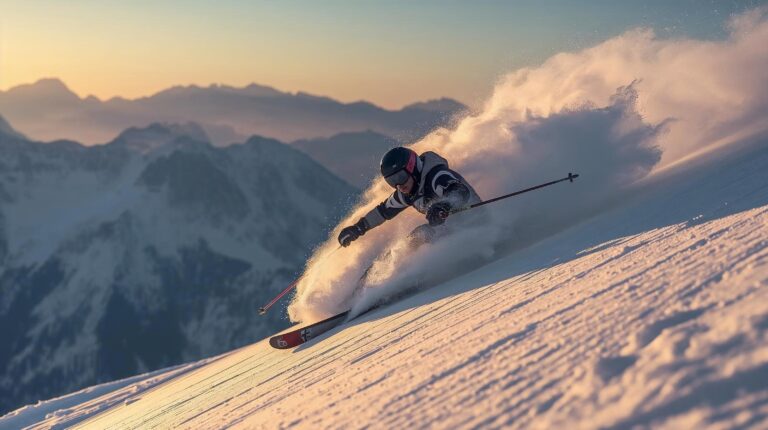
Despite new trends, the winter of 2019 reminded us that skiing remains in the city's DNA. Hosting the Alpine Skiing World Cup in February was an endurance test that Bansko passed with flying colors.
The Alberto Tomba track welcomed the world's elite, and the euphoria surrounding Bulgarian star Albert Popov acted as a magnet for the local audience. But the city also relied on culture as an economic lever. The legendary Jazz Festival and Bansko Film Fest filled the city with an audience looking for art, not just adrenaline. This diversified the tourist product and proved that the resort can be a world-class cultural center, even when the snow melts.
The ecological brake that became an engine
Perhaps the most important event of the year, however, happened not on the slopes, but in the courtroom. The final decision of the Supreme Administrative Court in January 2019 blocked plans for a „Second Gondola Line“ and large-scale construction in Pirin Park.
But paradoxically, this opened the door to something more valuable. Squeezed by legal restrictions, business in Bansko was forced to change strategy – instead of conquering new territories in the mountains, it had to improve the quality of services and life in the city.
The balance sheet
Bansko saw off 2019 more mature and wiser. The failure of the “mega-resort” plan became a catalyst for sustainable development. The combination of reasonable property prices, a thriving nomadic community, and global events created a model that allowed the town to remain vibrant. 2019 was not just a peak; it was the year in which Bansko found its new identity – not as a construction site, but as a community.

 English (UK)