

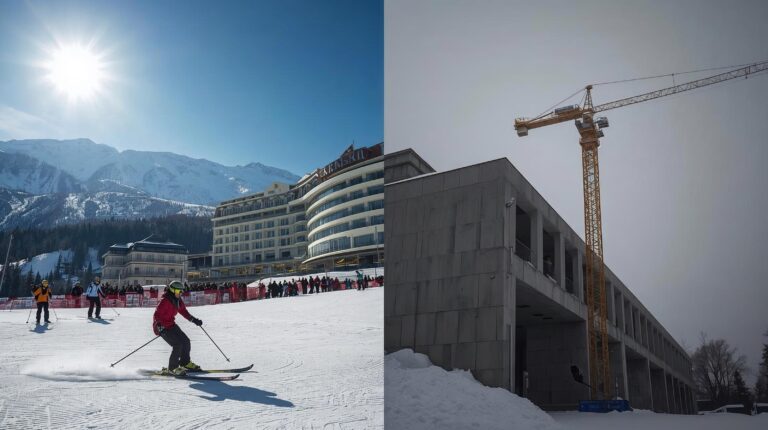
Expert comment: The analysis of Bansko 2008 reveals a complex dichotomy – on the one hand, the brilliance of the World Ski Organizations, and on the other – the “concrete skeletons” of unfinished dreams.
The Economic Landscape of Bansko 2008: Anatomy of the Property Bubble
To understand the scale of events in 2008, we need to look at the numbers. In the period 2000–2008, property prices in Bulgaria soared by a dizzying 300%. Bansko was the epicenter of this speculative fever.
According to reports from Knight Frank, in early 2008 Bulgaria led the world in property price growth with an annual index of 31.5%. Investors, mainly from the UK and Ireland, bought “green”, attracted by marketing promises of quick returns. In the luxury areas of Bansko, prices exceeded 1500 euros per square meter – levels that seemed unshakable until the autumn of the same year.
The market crash and the case of “Mall Bansko”
The second half of 2008 brought the “perfect storm”. The global financial crisis directly hit investors’ liquidity. The Bansko property market went from overheating to a complete freeze, with the number of transactions dropping drastically by 80%.
The “Mall Bansko” project – a monument to an era
One of the most striking symbols of this collapse was Bansko Mall. The project, launched with great fanfare in 2007, was supposed to be the pearl of commercial infrastructure.
| Parameter | Data (2008) |
|---|---|
| Investment | Over 5 million euros |
| Expanded area (GFA) | About 6,000 sq.m. |
| Status at the end of 2008 | Frozen (rough construction) |
With the onset of the credit crisis, financing stopped, and the "concrete skeleton" of the mall remained for years as a reminder of the bursting of the property bubble in Bansko in 2008.
New Horizons: The Hotels That Survived
Despite the crisis, 2008 was also marked by successful discoveries, which today are the backbone of tourism in the city.
- SPA Hotel “St. Ivan Rilski”: Opened in late 2008 by FPI Hotels & Resorts, the complex offered a new standard for year-round wellness tourism.
- Complex "“Four Leaf Clover“": With its apartment structure, it laid the foundation for the housing stock that would attract the first digital nomads years later.
Sports and cultural triumph in Bansko 2008
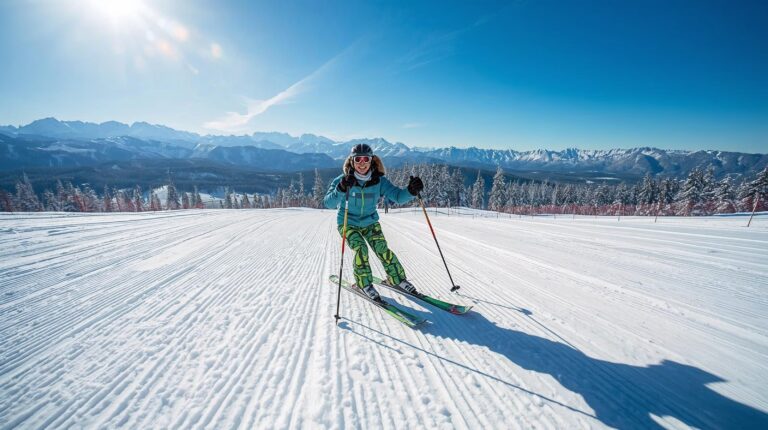
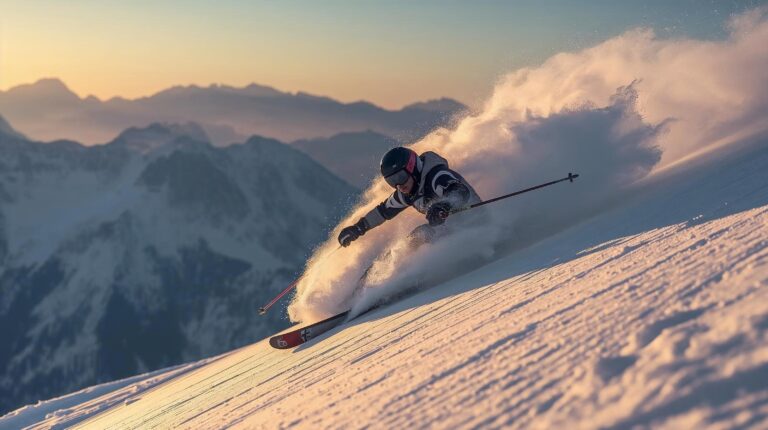
Despite the economic turmoil, Bansko has achieved historic success on the ski slopes. In March 2008, the resort hosted the Men's European Ski Cup.
The downhill competition on the Banderitsa slope proved that Bansko has world-class infrastructure. Austrians Stefan Tanne and Florian Scheiber dominated the course, and the excellent organization paved the way for future World Cup starts.
Jazz Festival Bansko 2008: The Cultural Bridge
In August 2008, the 11th edition of the International Jazz Festival brought together legends such as Solomon Burke и Freddie Cole. Music has become an antidote to economic uncertainty, attracting thousands of tourists and establishing Bansko as the festival capital of the Balkans.
The Lessons of Bansko 2008: The Road to the Present
The property crash of 2008 paradoxically created the conditions for today's success. The presence of a surplus of housing stock and a developed internet network turned Bansko into top destination for digital nomads a decade later. The crisis forced businesses to move from quantitative construction to quality service.
Conclusion
For Bansko, 2008 was a year of extremes – from the euphoria of construction cranes to the silence of frozen sites. However, it tempered the city and prepared it for its modern role as a sustainable, year-round destination. Today, Bansko is not just a ski resort, but a living example of economic transformation and cultural sustainability.

 English (UK)