


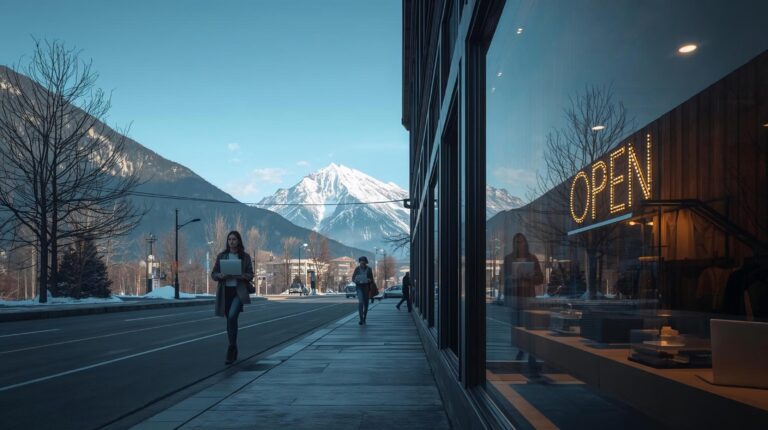
There comes that specific moment in Bansko – the end of April or the middle of November. The skiers have left, the jazz festival is far away, and the gondola lift is undergoing maintenance. The streets are deserted, and every owner of a off-season shop is faced with the dilemma: “Should I keep the business alive, or close it down for two months?”
The decision to run a retail outlet in a resort town should not be based on emotions or habits. It is an equation with many known factors, which includes fixed costs, the changing needs of the local community and the rise of new permanent residents of the town. In this guide, we will analyze mathematically and strategically how to survive and even win in silence.
1. Survival Math: Ground Zero for a Store in the Dead Season
Before you make a decision, get out the financial statements. The main question is whether your off-season shop can cover its “variable costs.” If your revenue is enough to cover electricity and staff wages, even without a profit, you are technically reducing the losses you would have incurred if you had closed (because rent and security are still due).
| Scenario: CLOSED | Scenario: OPEN |
|---|---|
| Fixed costs (unavoidable): • Renting commercial space • Security fees (SOT) • Software and Internet subscriptions • Bank maintenance fees Result: A sure expense without income. |
Operating costs (controllable): • Full electricity bills • Salaries and insurance for staff • Marketing expenses for the season • Cleaning and supplies Result: Cash flow opportunity. |
2. The new factor: Digital nomads and expats
Bansko no longer depends on 100% for tourist packages. Thanks to the Coworking community, the city has a core of 500+ people who live here year-round. These people have habits different from those of skiers. They look for quality, healthy foods, good equipment and specialized sports equipment for mountain hikes.
For one off-season shop, this niche is the “lifeline”. If you offer organic products, quality wine, computer accessories or bicycle repair, closing would be a strategic mistake. You build loyalty precisely when your competition is gone.
3. “On-call” Strategy: How to Work Smart
If you choose to stay open, you have to go into peak efficiency mode. You can't keep up the pace from January through May.
💡 Optimization tactics:
- Hybrid working hours: Open later (e.g. 11:00) and close earlier (6:30). You save on energy and staff during hours when there is no one on the streets.
- The owner behind the counter: The off-season is the best time for a “reality check.” When the owner serves customers, he gets direct feedback on the needs of the market.
- Zone lighting: If your area is large, don't light up storage areas or back corners. Reduce air conditioning costs by optimizing space.
4. When is it better to lower the shutters?
There are businesses for which working off-season is literally “pouring money into the sand.” If you sell exclusively souvenirs, magnets, and ski equipment for rent, your client is simply missing. In that case, use the weather for strategic preparation:
- Inventory and marriage: Clear out your warehouses of outdated merchandise. Organize a “Garage Sale” before closing.
- Cosmetic repairs: Painting, changing lighting, or reorganizing shelving is done now, not at the peak of the season.
- Digital presence: Use the silence to shoot new product catalogs. Plan your social media posts months in advance.
5. The technical error that kills businesses
The most important advice for every car owner off-season shop: Update your information on Google Maps. If Google says you’re open and a customer finds the door locked, you’re not just losing a sale—you’re gaining a negative review and a bad name.
Use the option “Temporarily Closed” or set “Special Hours”. This maintains trust and helps search engine algorithms rank you better when you reopen at full speed.
Prepare for the next surge in speed
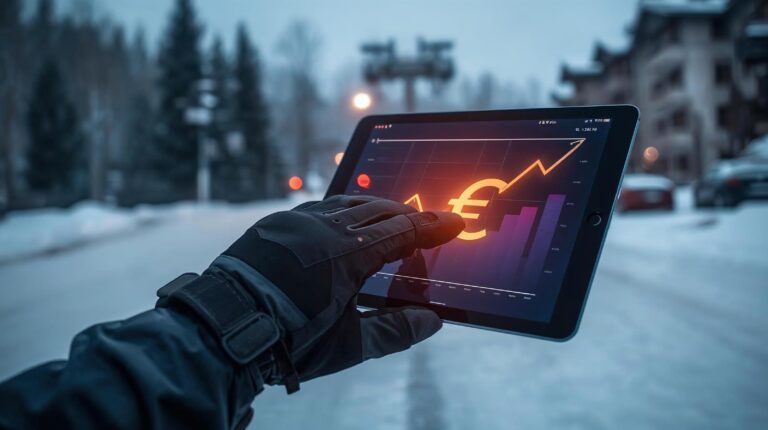
The success of a store in Bansko depends not only on the season, but also on the way you accept payments. Are you ready for the digital age?
 English (UK)