

When Pirin became the center of the world: The ski elite in Bansko 2012
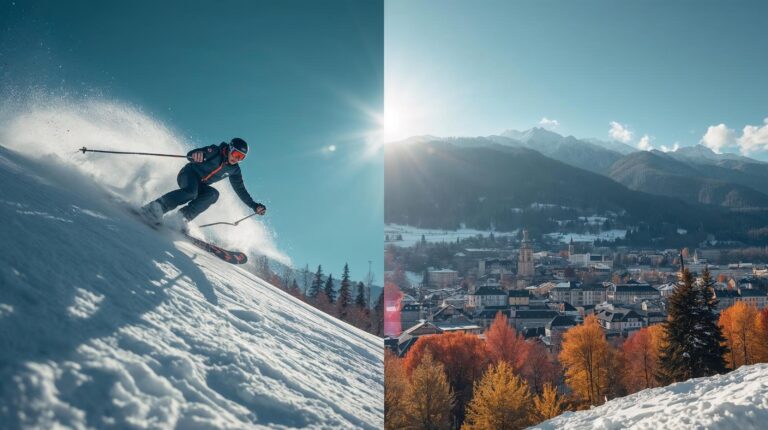
The household of Alpine Skiing World Cup in February 2012. finally legitimized Bansko among the most prestigious ski centers in the world. Organizing competitions for men and women within one season is a logistical challenge that few resorts outside the Alps undertake. This event was not just a sport, but a large-scale PR campaign for Bulgaria.
The Banderitsa track became a personal stage for the rising legend Marcel Hirscher. The Austrian won both the giant slalom and slalom, which proved crucial to his first major Crystal Globe win at the end of the season. In the women's, the American icon Lindsey Vonn triumphed in the super-G slalom, defeating Tina Weirater by a lead of only five hundredths of a second. These moments remained in the golden fund of Bulgarian winter sports.
Bansko Property Market 2012: The Great Reshuffle
While the champagne was flowing on the slopes, the property market was going through a „bottom-hunting“ phase. By August 2012, prices in Bansko had recorded an annual decline of around 16,40%, and the total decline from pre-crisis levels exceeded 57%. This was a painful but necessary process of purification from speculative levels.
| City/Region | Price per sq m (2Q 2012) | Annual change |
|---|---|---|
| Sofia | 745 EUR | -0.57% |
| Bansko (ads) | 550 EUR | -16.40% |
| Bansko (deals) | 370-450 EUR | -25.00% |
In 2012, there was a significant „changing of the guard“ among buyers. British investors, who dominated the market in the period 2004-2008, began to withdraw en masse, trying to minimize their losses. In their place appeared buyers from Russia and the CIS countries, who were looking for an affordable „second home“ in the mountains. These new clients were more pragmatic and focused on furnished apartments near the gondola.
Survival strategies for investors
Entrepreneurs in the region have become more flexible than ever. To attract buyers in the face of a liquidity crisis, they have started offering schemes such as:
- Installment payment up to 3 years without price increases.
- Guaranteed rental yield (between 4% and 6%).
- Bonuses in the form of free furniture or coverage of maintenance fees for the first year.
Cultural calendar and strategic infrastructure
One of the strategic goals in 2012 was to fill the summer season with cultural tourism. Bansko began to establish itself as a year-round destination, not just a „winter ski resort“. The 15th anniversary International Jazz Festival brought together world-renowned names such as Mungo Jerry Blues Band и The Jive Aces, attracting thousands of tourists outside the active ski season.
At the same time, the Bansko Opera Fest and the Pirin Sings folklore festival established the city as a cultural center that preserves the traditions of the Razlog Valley. This cultural diversity began to change the profile of the tourist - from purely sports-oriented to family and cultural tourism.
Ecology and Development under the auspices of UNESCO
In terms of infrastructure, the focus in 2012 was on the Water Cycle project and the construction of a modern wastewater treatment plant. This was a critical step in preserving the ecosystem of Pirin National Park. However, the year also reminded us of the vulnerability of the region – the collapse of the key Simitli-Bansko road necessitated urgent emergency repairs, highlighting the need for better transport connectivity.
The Legacy of Bansko 2012: Lessons and Perspectives
In retrospect, 2012 was the „filter“ through which the local economy passed. It proved that sport can be a driver of image, but sustainability comes from infrastructure and market diversification. The city learned that dependence on one type of investor (the British) is risky and began to build a more balanced international profile.
Do you want the full socio-economic analysis?
Delve into the details of the transformation, including changes in local community attitudes and long-term property forecasts.

 English (UK)