

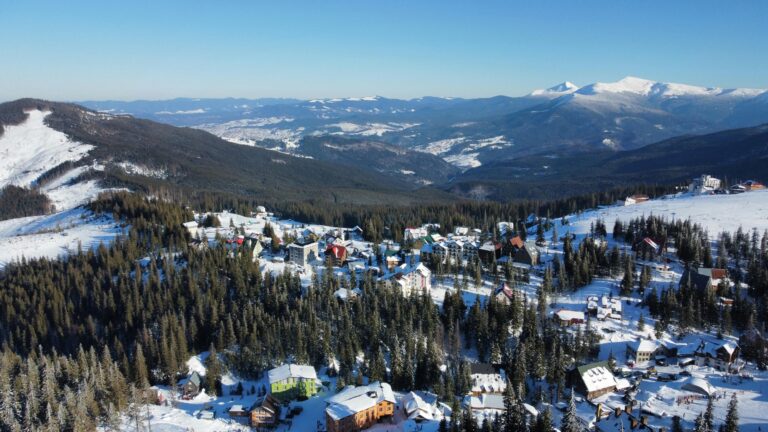
In recent years, Bansko has become an emblem of the rapid growth of tourism in our country. The town has attracted thousands of visitors and established itself as one of the most recognizable winter resorts in the Balkans. However, this growth has brought with it serious challenges - overdevelopment, overloading of infrastructure and pressure on the environment.
The "Bansko" Lesson: The End of a Model?
In a number of analyses and media publications, Bansko is increasingly cited as a „lesson“ for other resorts in Bulgaria. The period between 2002 and 2014 was characterized by uncontrolled construction – over 550 permits were issued for large-scale construction projects, which the street network and water supply system were unable to cope with. This leads to a paradox: despite the many tourists, overnight prices are falling due to oversupply, and the quality of the experience is deteriorating. Experts warn that this model creates a risk of a long-term crisis for the region’s image.
The road to Pamporovo and Borovets
Unlike Bansko, the resorts of Pamporovo and Borovets have managed to respond more adequately to the mistakes of the construction boom. There is no longer a large-scale new construction there, and investments have been redirected to modernizing the infrastructure - new lifts, connecting ski areas and digital access control systems. The goal is to improve the quality of service, rather than increasing the number of beds.
According to economists and industry experts, the emphasis should be on creating added value and a holistic experience, and not on mass low-budget tourism.
Attitudes in the city itself
Although the topic of overtourism raises serious questions, the local community and businesses in Bansko remain heavily dependent on the tourist flow. A large part of the population is employed in the hotel, restaurant and trade sectors, and their incomes depend directly on the number of visitors.
Public opinion is polarized. On the one hand, there is a fear that limiting growth will reduce revenues. On the other, voices are increasingly heard concerned about the preservation of nature and the deteriorating quality of life in the city.
A question of balance
Bansko clearly showed what happens in the absence of strict control and long-term planning. Today, against the backdrop of the more moderate strategies of Pamporovo and Borovets, our country has an opportunity for a course correction – more nature, less concrete and a focus on quality.
Will Bansko and the region succeed in finding their new balance? This is the question that concerns every resident, investor and tourist.
What do you think?
How do you see the future of winter tourism in Bulgaria? Should the state and municipalities impose strict limits on growth, or will the market regulate itself?
Share your opinion in the comments.
 English (UK)