

We often use the two terms interchangeably, but the difference between them is fundamental. One is a vast geological creation of nature, and the other is a strictly guarded administrative zone created to protect the most valuable natural resources from human interference. In this guide, we will take a detailed look at where the invisible border lies and why it is critically important to know it.
1. The big house opposite the jewel vault: Geographic scope
To best understand the concept, imagine Pirin as a huge mountain estate. Pirin Mountain is the entire estate – with the yard, the outbuildings, the approaches and the low forests. It occupies an impressive 1210 square kilometers, stretching between the valleys of the Struma and Mesta rivers, all the way to our border with Greece. This geographical territory includes settlements (such as Bansko, Razlog, Добринище), земеделски земи, ски писти, частни гори и пътища.
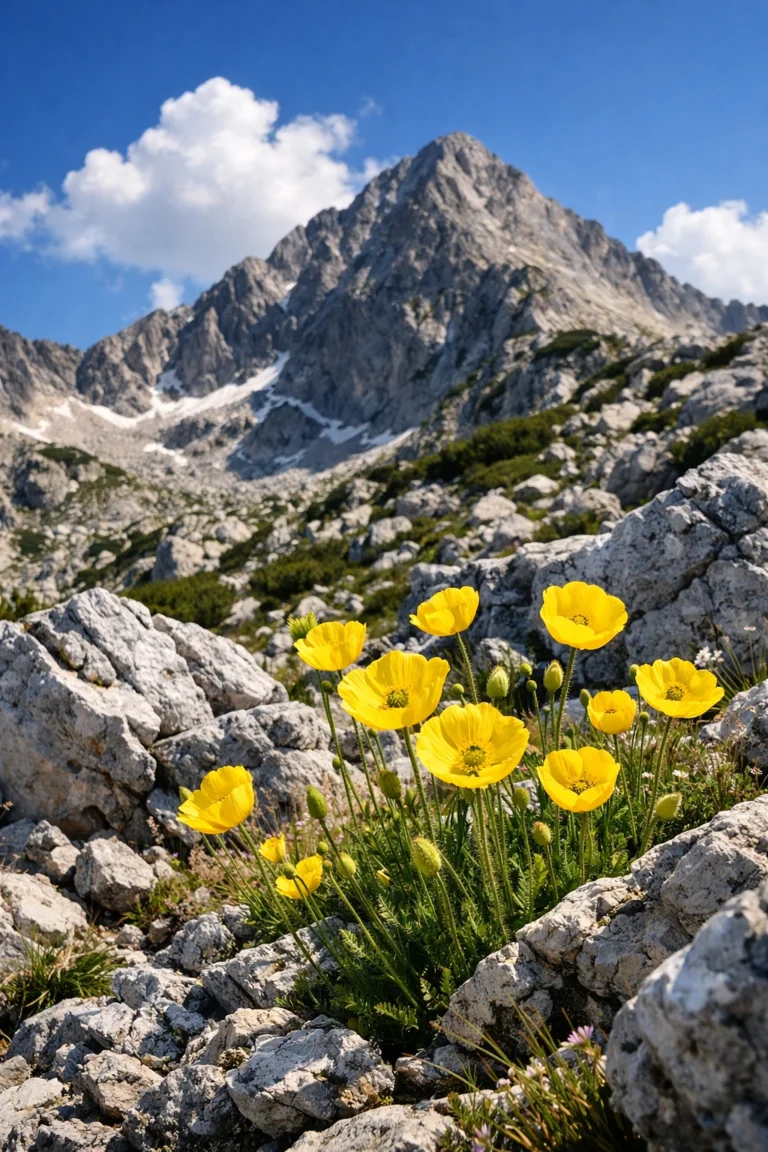
On the other hand, Pirin National Park is the “vault” at the heart of this estate. It covers only about 30% of the mountain’s territory (just over 403 sq. km or 40,332 hectares). The park protects the most valuable – the rugged alpine peaks, over 118 crystalline glacial lakes, centuries-old pine forests and refuges for rare wildlife.
| Characteristics | Pirin (Mountain) | Pirin National Park (Park) |
|---|---|---|
| Status | Natural geographical feature | Protected area (State property) |
| Area | ~1210 sq km | ~403 sq km |
| Human presence | Cities, villages, resorts, roads | No permanent settlements; strictly regulated access |
2. UNESCO Law: Rules and Restrictions
Why should we, as tourists, care where exactly we are? Because the rules of the game change drastically the second you cross the green sign with the inscription “Pirin National Park”. Since 1983, the park has been a subject of UNESCO World Natural Heritage. This is a global recognition that this territory is unique and belongs to all humanity.
Attention: Strict prohibitions on the territory of the Park
- Lighting a fire: Absolutely prohibited outside of specially constructed and designated fire pits (usually near the huts).
- Camping: Pitching tents “wherever you like” is illegal. It is only allowed in designated camping areas to protect the fragile alpine soil.
- Vehicles and Off-Road: The movement of ATVs, dirt bikes and jeeps is strictly prohibited. Only emergency vehicles and those with special permits are allowed access.
- Swimming in the lakes: Entering the glacial lakes is prohibited as it disrupts their delicate ecological balance.
3. The reserves: The Holy Sanctuary of Pirin
If you think the rules in the National Park are strict, then you should familiarize yourself with the concept of reserves. Within the park's borders are two biosphere reserves - „"Bayuvi Dupki - Djinjiritsa"“ (one of the oldest in Bulgaria) and „"Yulen"“.
These are the areas with the absolute highest level of protection in the country. There, nature is left completely to itself. Fallen trees are not cleared, they rot naturally, giving life to new microorganisms. Animals live without any human intervention whatsoever.
Useful advice for mountaineers
When passing through a reserve (for example, on the route from Yavorov hut to Vihren hut), you have the right to move only on the marked tourist trail. It is prohibited to pick herbs, gather mushrooms, make noise, or deviate from the route even by a few meters.
4. Flora and Fauna: Home of the Baykusheva Pine and Wild Goats
It is thanks to these strict regulations that Pirin National Park manages to preserve biodiversity that has disappeared in many other parts of Europe. Only here, within the park, can you experience the emblematic Baykusheva mura – the oldest coniferous tree in Bulgaria, whose age exceeds 1300 years. It took root long before the establishment of the First Bulgarian State.
The high marble parts of the park are a natural habitat for the edelweiss – the symbol of the Bulgarian Tourist Union. On the sheer cliffs of the Jamdzhiev Ridge and below Todorka Peak, herds of wild goats can often be spotted, which are a protected species and the emblem of the park itself. In the lower forest belts of the park, brown bears, wolves and red deer.
Conclusion: Be conscious guests on the mountain
The difference between Pirin Mountain and Pirin National Park is not just an administrative detail – it is a matter of attitude. Bansko provides the best, fastest and most convenient access to the heart of the park, but with this privilege comes a huge responsibility. The next time you head up to Banderishka meadow or Vihren hut, remember that you are entering a UNESCO protected area. You are guests in a home that nature has built over millions of years.

 English (UK)