


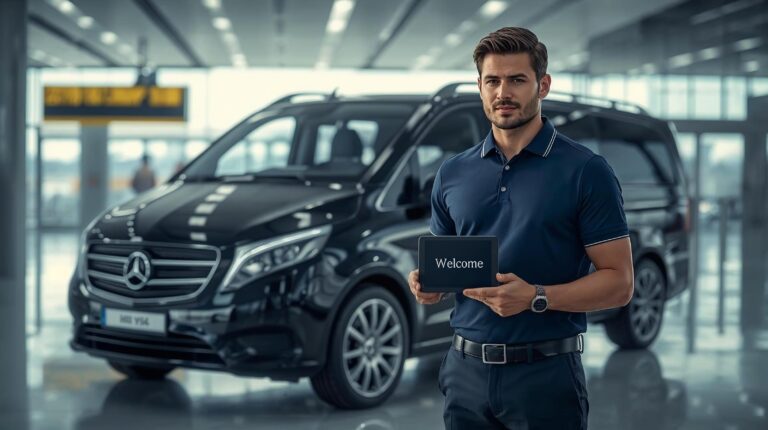
Your driver and tour guide are the face of your company. They are the people who spend hours with your customer – from the first “Hello” at the terminal to the final drop-off at your hotel. They have the power to turn a routine trip into an unforgettable experience that earns 5-star reviews, or a logistical nightmare. In this advanced guide, we will look at how to build your “Dream Team” by properly driver and tour guide training.
1. The Driver: Your Brand's First Ambassador
In modern tourism, the role of the driver has long evolved. He is no longer just a “driver of a vehicle”, but a hybrid figure: a concierge, a logistician and to some extent a psychologist. The first impression is formed within the first 30 seconds of the meeting.
The golden rules of transfer etiquette
- Professional welcome: The employee must wait in the arrivals hall with a clean and legible sign (preferably on a tablet). Dress code is critical – shirt or company polo, no tracksuits or sportswear.
- Baggage management: This is a non-negotiable standard. The customer does not have to touch their suitcase. The driver takes the load immediately and carefully places it in the luggage compartment.
- Atmosphere in the cabin: The first question after check-in should be about temperature comfort. Music is only background – jazz, lounge or classical. Conversations are optional: if the client is silent, the driver remains discreet.
2. The Tour Guide: The Storyteller
През 2026 г. туристите в региона на Банско и Razlog вече не се задоволяват със сухи исторически факти, които могат да открият в Wikipedia за секунди. Те търсят емоция, автентичност и преживяване.
How to recognize and train a top guide?
A successful tour guide must master the art of storytelling-a. Instead of "This church is from 1835," he should tell about the craftsmen who risked their lives to build it under the noses of the Ottoman authorities.
- Audience adaptability: A good guide changes his tone to the group. Young digital nomads they want to know about coworking spaces and bars, while families are interested in eco-trails and local cuisine.
- Interactivity: Train guides to ask questions. Engagement turns a lecture into a dialogue, and dialogue creates a friendly connection.
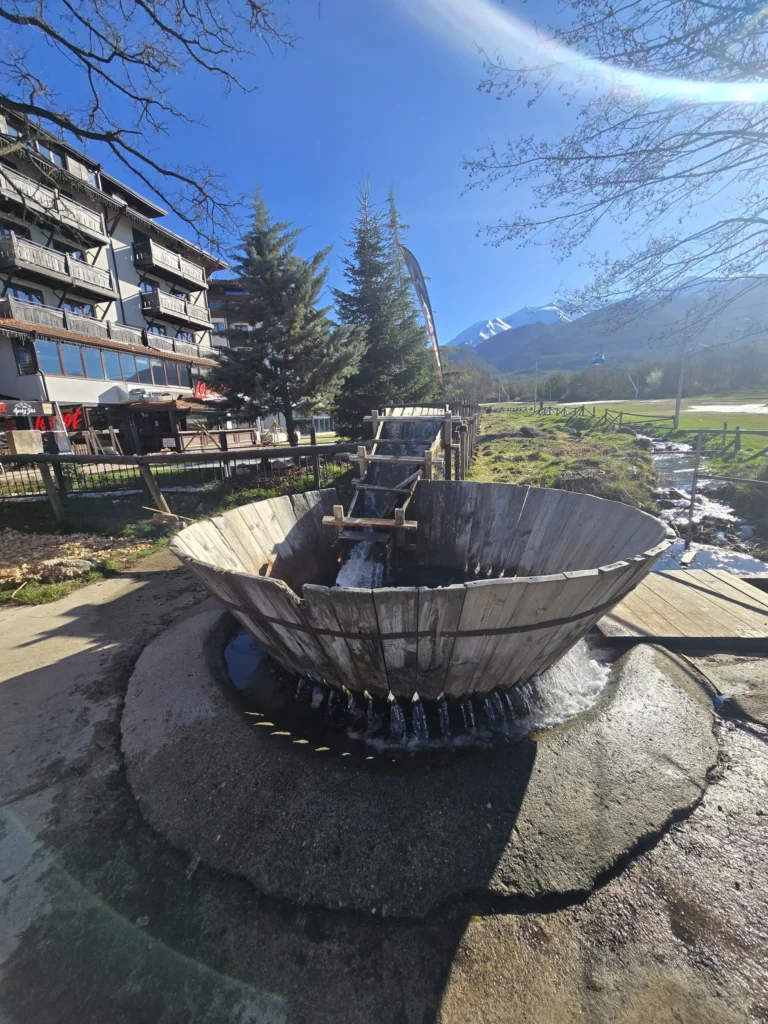
- Access to the “hidden”: The guide's strength lies in the details - where is the best banitsa in Razlog or which is the oldest fountain in the Old Town of Bansko.
3. Safety: The Foundation of Trust
The road to the Pirin Mountains, especially the Predela Pass in winter, requires extreme concentration. Safety is the invisible priority that the client subconsciously feels.
1. Using a phone without a hands-free system (strictly controlled).
2. Aggressive driving and "sticking" to the car in front - this makes tourists nervous.
3. Smoking near the vehicle or in the presence of guests.
4. Criticism of other participants in the movement or political comments.
4. Control and motivation system (KPI)
To maintain high standards, you need a working feedback system. Don't leave quality to chance.
- Mystery Shopping: Hire outsiders at least twice a season to go through the entire process and complete a detailed report.
- Automated surveys: Use QR codes in the cars or email after the service. If a driver's rating drops below 4.5/5, it's a signal for an immediate conversation with management.
- Bonus for excellent reviews: Tie financial incentives to personalized mentions on TripAdvisor or Google Maps. When drivers know their kindness has a monetary equivalent, motivation increases.
5. Emergency protocols
True professionalism shines through in a crisis. What happens if a car gets stuck in a snowstorm or a customer has a medical emergency? Every employee should have an “Emergency Kit” and a clear plan of action to maintain composure.
Conclusion: Investing in people is an investment in the brand
In the service sector in Bansko, equipment is aging quickly, but quality service is remembered for years. Investing in periodic driver and tour guide training is not an expense – it is insurance for your business success. A professional can turn a tourist frustrated by a delayed flight into a loyal customer who will return to you every winter.
 English (UK)