

We are hearing the word more and more often ecotourism, plastered like a trendy label on everything from luxury hotels to simple walks in the park. This is causing serious confusion among travelers in Bansko and the region. The truth is that ecotourism is a philosophy of travel, not just a marketing gimmick or a specific destination.
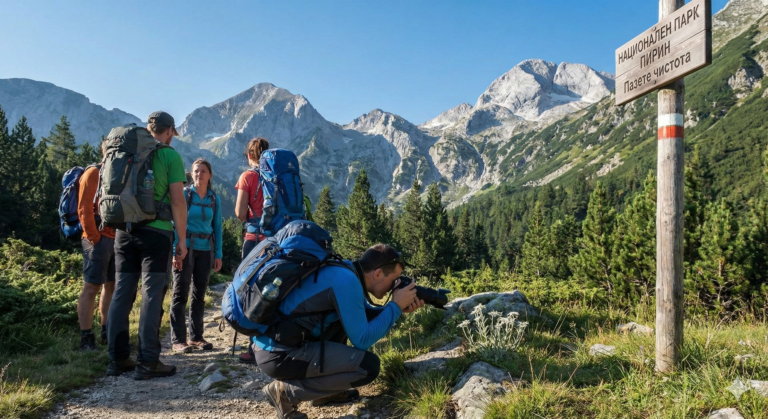
Many visitors to the Pirin Mountains believe that simply being in nature makes them ecotourists. But if you go to Banderishka meadow, leave a plastic bottle or step foot in a protected area off the trails, you are in nature, but you are definitely not practicing ecotourism. In this article, we will look at the three pillars of responsible travel and how to apply them here, at the foot of the peaks.
The Three Pillars: What distinguishes true ecotourism?
For an experience to be classified as “eco,” it must be firmly grounded in three core principles. Without them, we’re just talking about tourism.
1. Minimal impact (Conservation)
The goal is to tread lightly. The presence of tourists should not damage the fragile ecosystem of Pirin. This means traveling only on marked trails, no lighting fires outside of regulated areas, and an absolute “zero waste” rule.
2. Community well-being
This is a key and often overlooked point. The real ecotourism supports the local economy of Bansko, Razlog and Dobrinishte. This means hiring a local mountain guide, shopping with the grandmothers at the Sunday market, or staying in a guesthouse owned by a local family rather than a corporate chain.
3. Education and interpretation (Education)
You need to learn something new. Visiting Baikusheva mura It's not just a photo for Instagram, it's a lesson in history and biology. The ecotourist is interested in the problems of the region and biodiversity.
Nature Tourism vs. Ecotourism: Discover the Differences
This is the most important distinction you need to make before planning your weekend in Bansko. Not all nature tourism is eco-friendly.
| Characteristics | Simple Nature Tourism | True Ecotourism |
|---|---|---|
| Activity | Riding an ATV or jeep safari through the forest. | Walking tour with a biologist guide for bird watching. |
| Impact | Noise, soil erosion, scaring of wild animals. | Zero or minimal. The money goes to the park. |
| Purpose | Personal fun and adrenaline. | Recognition, understanding and conservation. |
Watch out for “Greenwashing”
Because the prefix “eco” is trendy and sells well, many businesses abuse it. This phenomenon is called “Greenwashing.” An example of this is a large hotel complex built on dunes or a logged forest that calls itself an “Eco Resort” just because it makes you use your towels twice or has solar lights on the walkway. This is marketing, not ecology.
In the Bansko area, we also need to be vigilant. A true eco-hotel uses local materials (stone, wood), offers food from regional farms, and has a clear waste management policy.
Practical tips for ecotourism in Pirin
If you want your next trip to Bansko to be truly responsible, ask yourself the following questions before booking:
-
🌿 Where does my money go?
Do they stay in the Bansko community or do they flow out to foreign investors? Choose family hotels, guesthouses and local taverns. -
🦅 Do I follow the rules of the Park?
Pirin National Park is a UNESCO site. Picking flowers (even if it's not edelweiss), camping outside the zones, and letting dogs loose without a leash are prohibited for a reason. -
🥗 What am I eating?
Search “"Swimming Old Man"”, local yogurt and berries, harvested in a regulated manner. This stimulates local agriculture, which is the best guardian of the landscape.
Conclusion
Ecotourism is travel with conscience. For Bulgaria and especially for our region, this is the only way forward. If we keep Pirin clean and wild, it will continue to provide us with a livelihood. If we turn it into an amusement park, we lose our most valuable resource.
 English (UK)