


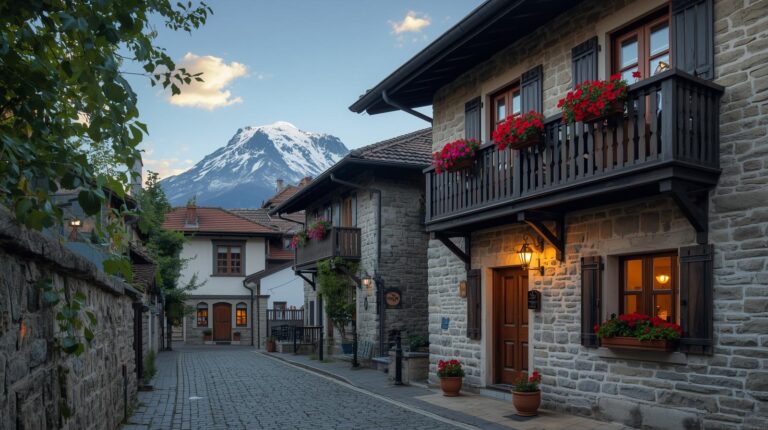
Encyclopedia of the Hotel Industry in Bansko: From the Renaissance Roots to the Modern Ski Capital
1. Early years and socialist period (1939 – 1989)
The development of tourism began with the first mountain shelters and holiday resorts:
- 1939 – 1941: Construction of Vihren hut, which lays the foundations of mountain tourism in Pirin.
- 1965 – 1975: Construction of the main rest stops of the trade unions, many of which were subsequently privatized and converted into modern hotels.
- 1979: Bansko has been officially declared a resort of international importance, leading to a large-scale renovation of the Pirin Hotel.
2. The transition to private initiative: The first family hotels (1990 – 2000)
After the political changes in 1989, Bansko experienced a true renaissance. The restitution of properties allowed the old Bansko families to regain ownership of houses in the historic part of the town.
- Authenticity: One of the early examples is the "Old House 1980", combining 19th century architecture with the needs of the modern tourist. The use of natural materials such as stone and wood became mandatory.
- Clubhouses: In the 1990s, the first "clubhouse" hotels appeared, offering a more intimate atmosphere.
3. The Explosive Decade: The Ski Area and Major Investments (2001 – 2010)
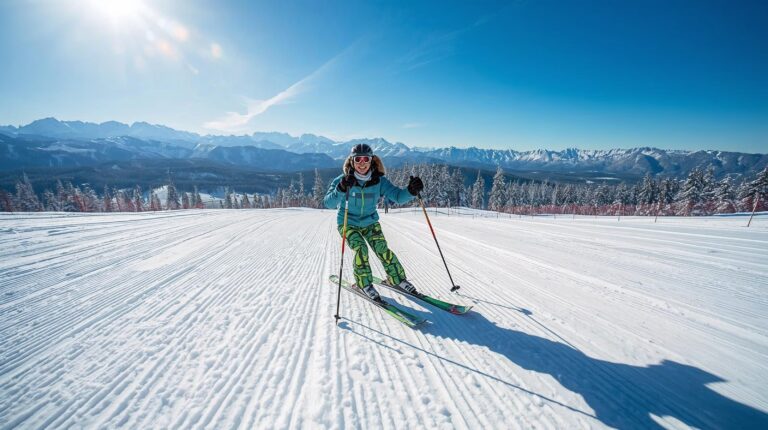
The real boom in construction is related to the construction of modern ski infrastructure.
- The Cable Car (2003): Its commissioning changes the focus of the business - investments are directed from the historic center to the "Gramadeto" area to the starting station of the lift.
- The luxury segment: The period was characterized by the massive construction of 4 and 5 star properties and huge apartment complexes. The entry of the Kempinski chain in 2005 signaled that Bansko was now a destination for the highest class of tourists.
4. List of some of the hotels in Bansko
| Hotel / Facility | Year | Category | Type / Characteristic |
|---|---|---|---|
| Council of Ministers Hotel | 1980 | 3* | Historic State Hotel |
| MPM Hotel Sport | 1983 | 4-5* | Luxury Ski-in/Ski-out |
| Hotel Pirin | 1995 | 4* | Traditional hotel |
| Hotel Bulgaria | 2019 | 4* | Traditional hotel |
| Four Points by Sheraton | 2000 | 4* | International chain |
| Saint George Ski & Holiday | 2000 | 3-4* | Holiday ski hotel |
| Park Hotel Panorama | 2002 | 3* | Hotel |
| Platinum Hotel and Casino | 2003 | 3-4* | Hotel with casino |
| Hotel Lion Bansko | 2004 | 3* | Ski hotel |
| Bansko SPA & Holidays | 2005 | 4* | SPA and balneology |
| SPA Resort Sv. Ivan Rilski | 2005 | 4* | Spa resort |
| Kempinski Grand Arena | 2005 | 5* | The first global brand |
| Pirin Golf Hotel & SPA | 2006 | 5* | Luxury golf and SPA complex |
| Murite Park | 2006 | 3-4* | Apartment complex |
| Mountain Romance SPA | 2007 | 4* | Spa boutique hotel |
| Lucky Bansko Aparthotel | 2007 | 5* | Luxury apart-hotel |
| Hotel Complex ZARA | 2007 | 4* | Resort complex |
| Regnum Bansko Ski & SPA | 2008 | 5* | Ski and SPA hotel |
| Hotel 7 Pools Bansko | 2019 | 3* | Modern aparthotel |
| Hotel Evelina Palace | 2008 | 4* | “Palace” Hotel |
| Katarino SPA Complex | 2009 | 4* | Thermal SPA complex |
| Green Life | 2009 | 4* | Resort complex |
| Amira Boutique Hotel | 2010 | 5* | Boutique hotel |
| Vihren Palace SPA | 2010 | 4* | SPA complex |
| Grand Hotel Bansko | 2011 | 5* | All-Inclusive Spa Resort |
| Grand Royale Apartment | 2012 | 4* | Apartment complex |
5. Statistical overview and economic indicators
By 2024, the market in Bansko is showing a saturation stage, with the focus shifting towards optimization of the existing base.
- Capacity: There are 3,720 facilities operating in the country with a total of 338.9 thousand beds. Bansko is in the top 3 winter destinations with a high concentration of 4* and 5* beds.
- Revenue: Revenue from overnight stays reached BGN 581.9 million, with the main contribution coming from foreign tourists. There was a growth in overnight stays of 4.11%3T.
- Stay: In 4 and 5-star hotels, the stay is longer compared to family houses due to the SPA services and package prices offered.
6. Architectural and functional analysis
Modern properties often use a "replication" of historical style to appeal to those seeking authenticity.
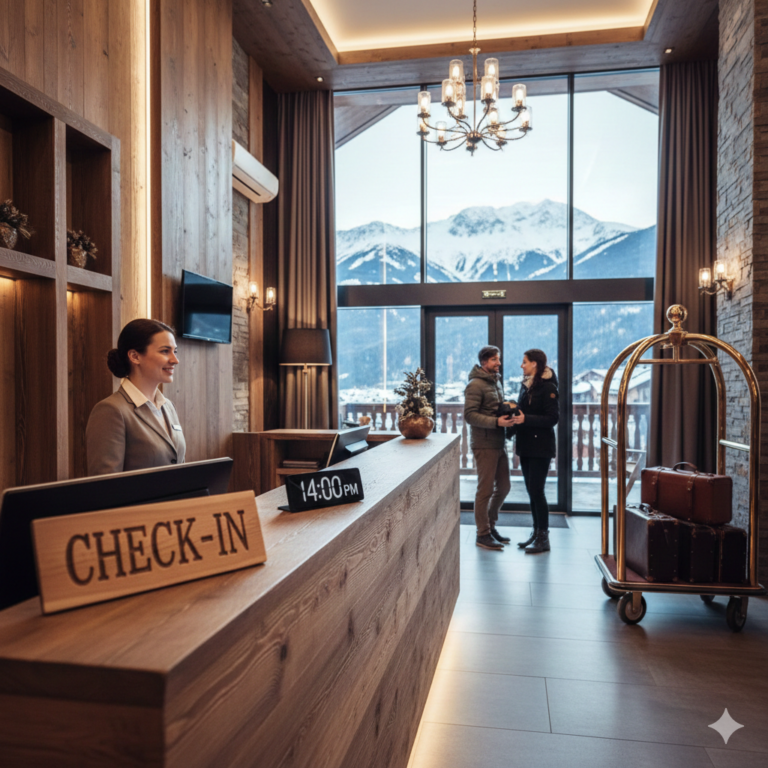
- Interior transformation: The ground floors, once stables and warehouses, now house luxurious lobby bars and spa centers.
- Technologies: There is a shift from open fires to central heating and heat pumps. Modern video surveillance and access control systems have been implemented.
- Cultural heritage: Some hotels are integrated with archaeological monuments, such as the 2003 discovery of the "Nameless City.".
7. Challenges and future
The future of the region will depend on the balance between modern luxury services and the preservation of that "Renaissance" hospitality that the first Bansko inns offered hundreds of years ago.


 English (UK)