


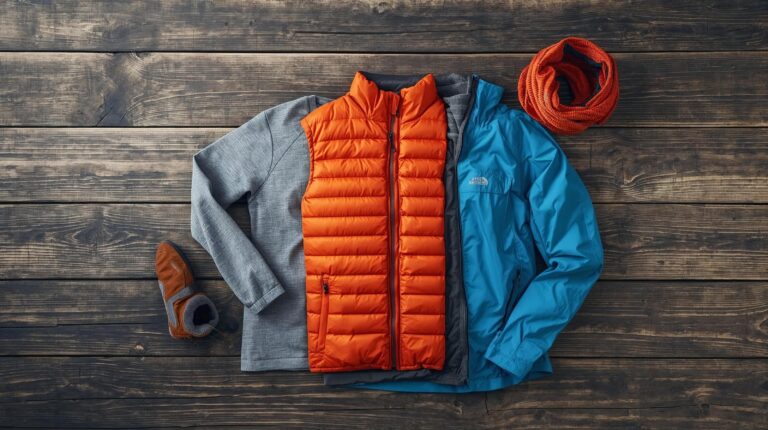
At 2914 meters above sea level (Vihren Peak), summer is a relative term. Storms come in a matter of minutes, temperatures can drop by 15 degrees, and the wind along the edge of the "Horse" is unforgiving. The right equipment for Pirin It's not just a matter of fashion – it's a matter of survival and comfort. In this guide we will introduce you to „The "Layering System" to be prepared for everything - from scorching sun to icy September rain.
What is the "Layer System"?
Instead of relying on one thick, heavy jacket, experienced hikers wear several thin layers of clothing on top of each other. This method allows for precise adjustment of body temperature to your activity and weather conditions.
Why does this system work?
The air trapped between the layers acts as additional insulation. Plus, when you get warm during the steep climb to Banderishka Gate, you can easily take off a layer without getting too cold.
Anatomy of layers in the mountain:
- Base Layer: Your „second skin.“ Its main function is to wick sweat away from the body.
- Mid Layer: Insulation. Its task is to retain the heat radiated by the body.
- Outer layer (Shell): Your armor. It protects you from external aggressors – wind, rain and snow.
Base Layer: Why Cotton Is Your Worst Enemy?
When it comes to equipment suitable for Pirin, the first rule is: Forget cotton! There is a saying in mountaineering circles: “Cotton Kills” (Cotton kills.) Cotton absorbs sweat like a sponge, dries extremely slowly, and conducts heat away from your body 25 times faster when wet.
The danger of hypothermia
Even at 15 degrees above zero, if you're wearing a wet cotton T-shirt on a ridge and the wind blows, your body starts losing heat catastrophically fast. This is the most common cause of hypothermia in the summer.
What materials to choose for a base layer?
- Merino Wool: The gold standard for Pirin. It is soft, regulates temperature naturally and most importantly – does not smell even after three days of active walking. Recommended brands: Smartwool, Icebreaker, Lasting.
- Synthetics (Polyester/Nylon): Extremely durable and dries instantly. Ideal for very intense one-day climbs, although it does get smelly faster than wool.
Midlayer: How to keep warm
This layer traps warm air. In Pirin, it is a must-have in your backpack, even if it is Bansko is 30 degrees. You will need it early in the morning when you leave Vihren hut, or when you stop for a rest at The Kazanites.
| Garment type | Advantages | When is it used? |
|---|---|---|
| Fleece | It breathes well, dries quickly and is affordable. | When walking actively in cool weather. |
| Down | Highest warmth-to-weight ratio. Collapses to the size of an apple. | During a vacation or in case of sudden cold. |
| Synthetic insulation | Warm even when wet (unlike natural down). | In humid and foggy weather. |
Shell: Your protective shield
Pirin is known for its sudden afternoon storms. Without a quality outer layer, the wind will „blow“ the warmth out of your midlayer in seconds. Here you have two main paths:
1. Hardshell (Membrane jacket): Това е класическото „шушляково“ яке, но с модерна мембрана (Gore-Tex или подобна). То е 100% водоустойчиво и ветроустойчиво. Задължителен елемент от всяка equipment for Pirin.
2. Softshell: Softer, more breathable and protects against wind and light drizzle. This is the most comfortable garment for 90% while you are moving because it is elastic and comfortable.
The Pants: Rock and Squat Protection
Many tourists make the mistake of going in shorts. However, Pirin is a rocky mountain with a lot of squatting. Long pants (or ones with a zipper – convertible) protects you from:
- UV radiation: The sun at 2500 m altitude burns the skin imperceptibly.
- Abrasions: Pirin marble and granite are rough, and squatting can seriously injure your feet.
- Insects: Although rare, there are ticks and insects in the lower parts.
Are you ready for the next adventure?
You now know how to dress properly. But clothing is only half the equation. In the next part, we will look at a tool that saves your knees when descending Vihren.
Frequently Asked Questions (FAQ)
Should I buy the most expensive equipment right away?
Absolutely not. If you are just starting out, invest in good shoes and a quality rain jacket (membrane). For a mid layer, you can use a regular Decathlon fleece (their Forclaz series is excellent), and for a base layer, a synthetic gym t-shirt.
What should I wear to climb Mount Vihren in July?
Leave the hut early in the morning with a thermal T-shirt and a thin fleece/windbreaker. Be sure to carry a down jacket and a raincoat in your backpack. When you reach the top, you will find that the wind is strong - then wear the down jacket under the membrane to enjoy the view without shivering.
Does a “poncho” type raincoat work in Pirin?
The Pirin Mountains often experience strong winds. A poncho becomes a „sail“ that the wind blows, obstructing your view of your feet and can be dangerous on rocky edges. A membrane jacket is a much safer choice.
This article is part of the series "Guide to Safe Mountaineering in Pirin", provided by local experts in Bansko.


 English (UK)