


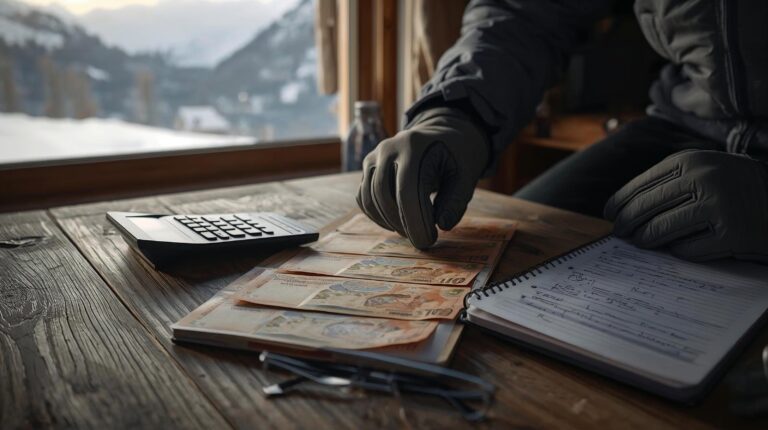
The “Rich in winter, poor in spring” syndrome is the biggest, albeit invisible, enemy of instructors in Bansko. When pockets are full of quick cash and tips in the peak of February, it is extremely easy to be fooled by the glamour of the nightlife. But true professionalism requires smart budget for ski instructors, which guarantees peace of mind not only until the end of the season, but throughout the year.
In 2026, the economic reality is different. Rent inflation in Bansko and changing weather conditions make financial planning a must-have skill. If you don't manage your money, it will manage you. In this extensive guide, we'll look at how to build a sustainable financial plan specific to the reality below Mount Todorka.
1. The 50/30/20 rule for seasonal workers in Bansko
Since your income is extremely volatile (ranging from peak weeks around Christmas and the holidays to “holes” in January), standard banking advice doesn’t work directly. Your budget for ski instructors should be more adaptive and aggressive in saving.
The main mistake is to plan your expenses based on your strongest month. Instead, divide your income as soon as you receive it (including daily tips):
📊 Adapted revenue distribution:
- 50% for “Seasonal Needs” (Fixed Expenses): This includes accommodation in Bansko (which is often prepaid or more expensive in winter), food from the supermarket (not from restaurants), transportation to the lift, and mandatory insurance.
- 30% for “Dead Season Fund”: This is the most critical item. This is the money you will live on in April, May, and October – the months when Bansko is quieter and the summer season at the seaside or abroad has not yet begun.
- 20% for “Professional Growth”: This is not money to spend, but to reinvest – new skis, edge maintenance, ISIA courses, language lessons and “white money for a rainy day”.
2. The trap of “small” money and nightlife
Tips are the greatest temptation and at the same time the greatest resource for a well-balanced budget for ski instructors. Because they are often in cash or come randomly through Revolut, they create the illusion of “free money.”.
A common scenario in Bansko: You get a 50-100 leva tip after a good lesson. In the evening, this money “leaks” imperceptibly to drink with colleagues in “Happy Ending“", "Amigos" or some tavern. The result? At the end of the month, you've spent a lot, but you have nothing saved.
💡 “Invisible Cashier” Strategy”
Treat tips like “"investment bonus"”, not as pocket money.
1. If it's cash: Put it in a physical piggy bank at home every night. Don't carry it in your pocket the next day.
2. If they are digital: Transfer them immediately to a savings account (Vault) named “New Skis” or “Summer 2026”.
The effect: At the end of the season, you will be surprised that you have saved enough money for high-end ski boots or car insurance.
3. Equipment: Expense or investment?
For a tourist, skis are a pleasure, for you they are a working tool. A good one budget for ski instructors always includes a “Depreciation” fund. Riding 6-8 hours a day, often in harsh conditions or when training beginners (where skis scratch and step on each other), destroys equipment quickly.
Don't count on the ski school to provide you with everything. Your personal, perfectly maintained equipment is your calling card to private clients.
| Element | Real durability | Financial strategy |
|---|---|---|
| Skiing (Professional grade) | 1-2 active seasons (edges end) | Set aside 150-200 BGN/month. Buy at the end of the season with a discount. |
| Ski boots | 2-3 seasons (the sock shrinks) | Set aside 80 BGN/month. Never compromise on convenience. |
| Clothing (Gore-Tex) | 2-3 seasons (intensive washing) | Invest in quality layers, not just a jacket. Budget: 50 BGN/month. |
| Service & Wax | Weekly | Learn to do it yourself. The investment in an iron and files (approx. 200 BGN) pays for itself in a month. |
4. Tax reserve and insurance
Many young instructors work on civil contracts or as self-employed individuals and forget about the “boring” part – taxes. In Bulgaria, the tax year ends on April 30, right when the season is over and money is often running out.
If you don't foresee this feather in your budget for ski instructors, you may find yourself with obligations to the NRA at a time when you have no income.
🛡️ Rule of Ten“
Automatically set aside 10% from each fee received in a separate account called “NAP”. Do not count it as your own money. If you are under an employment contract with a ski school, check carefully how much you are insured for and whether this will provide you with adequate unemployment benefits in the summer if you do not find a job immediately.
5. Plan “B” for the summer
The financial plan for the winter is inextricably linked to the plans for the summer. Successful instructors in Bansko often have a second profession:
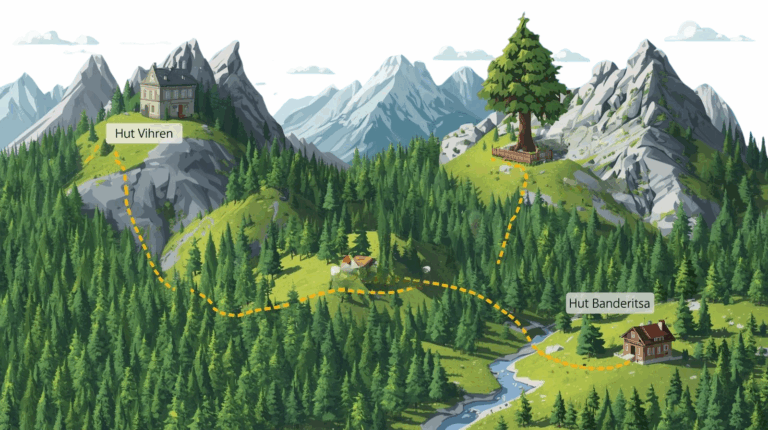
- Mountain guides: They use their knowledge of Pirin for summer tours to Vihren and The horse.
- Construction and repairs: Summer is the active season for renovations in hotels and guesthouses.
- Digital skills: Bansko is a hub for digital nomads. Skills in marketing or programming can provide you with a year-round income.
Conclusion: Freedom comes with discipline
Financial literacy is what makes the difference between a “seasonalist” and a true professional in the resort. When you have savings and a clear budget for ski instructors, you have the power to choose better clients, refuse unprofitable offers, and invest in the most valuable thing - your qualifications.
Winter in Bansko is magical, but short. May the money you spend on the snow serve you faithfully even when the sun melts the slopes.
Your guide is almost complete!
We've covered everything from marketing and customer psychology to financial management. It's time to put what you've learned to work on the track.

 English (UK)