

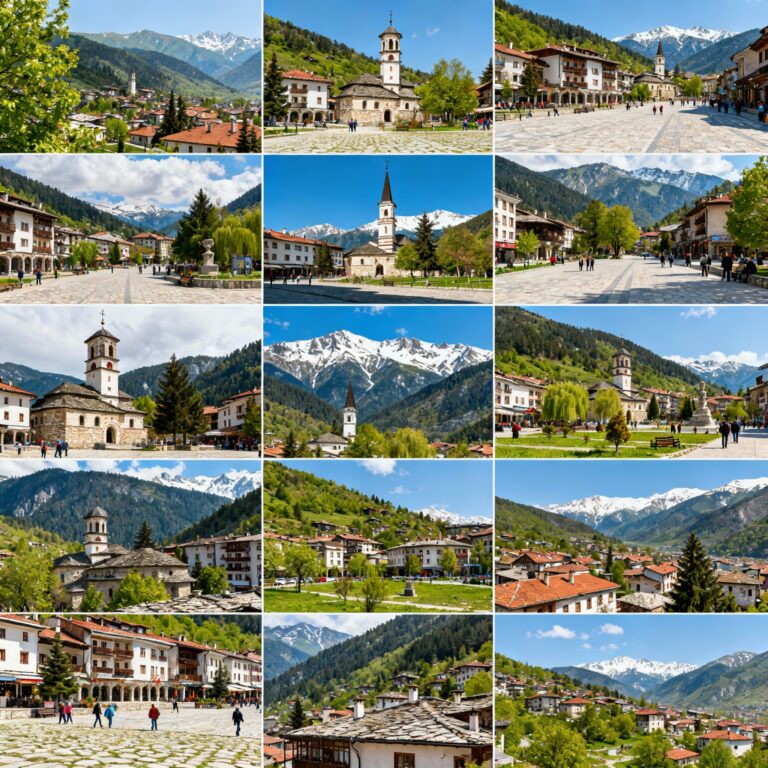
The centuries-old history of Bansko makes the region one of the richest in cultural heritage in Bulgaria. Situated at the foot of the majestic Pirin Mountain, the city has witnessed numerous events that have shaped its unique identity. From ancient times to the present day, the region has preserved authentic traditions, customs and crafts that continue to be alive and highly valued.
📅 Key historical dates
| Period / Year | Event / Meaning |
|---|---|
| Antiquity | Settlement by Thracians, Romans, Byzantines and Slavs. |
| 1576. | First written mention in an Ottoman register of the Çelepkeşans. |
| 18th – 19th century | Flourishing during the Bulgarian Renaissance (Trade and Culture). |
| 1835. | Construction of the Church of the Holy Trinity. |
| 20th century – Today | Development as an international tourist and ski center. |
Ancient history of Bansko
The territory of Bansko and its surroundings was inhabited by Thracians, Romans, Byzantines and Slavs. Archaeological excavations in the area reveal a rich cultural mosaic, testifying to its strategic importance in the past. The first written record of the town dates back to 1576 in an Ottoman register of the Đelepkešani (sheep breeders), which suggests the development of agriculture and trade in the area even at that time.
Role during the Bulgarian Renaissance
In the 18th and 19th centuries, Bansko became an important cultural, spiritual and commercial center of the Bulgarian Renaissance. The region was the birthplace of many prominent figures, including Paisii Hilendarski, the founder of New Bulgarian historiography and author of "Slavo-Bulgarian History", which became a symbol of the national awakening.
💡 Notable people: Other significant figures are Neofit Rilski - a notable teacher and educator, and the artist Toma Vishanov - Molera. They left a lasting mark on the educational and cultural development of the country. The rich trade relations of Banska Bystrica with European cities, as well as with neighboring areas such as the Aegean coast, are evidence of the entrepreneurial spirit of the local residents.
Traditions and culture
The Bansko region preserves centuries-old folk traditions and customs, which are an integral part of the rhythm of life of the local people.
🎭 The prank: Among the most famous customs is conjuring - an ancient ritual with masks and costumes, aimed at driving away evil forces and ensuring health and fertility.
This custom is held annually and attracts many visitors wishing to experience authentic Bulgarian heritage.
Other characteristic events are Todorovden with traditional horse races and the Bansko Cuisine Festival, which brings together local producers and gourmets from all over the country. Traditional crafts are also part of this rich cultural palette - woodcarvings, fabrics, tapestries and other works of art are made here, of which the locals are justifiably proud.
Spiritual life and architecture
The Church of the Holy Trinity is one of the symbols of Bansko. Built in 1835, it is the embodiment of the struggle of the people of Bansko to preserve their religious and national identity during the Ottoman rule.
With its bell tower and clock mechanism, the temple is the heart of the spiritual life in the city. In addition, Bansko was one of the first Bulgarian cities with an established Protestant Christian community back in the 19th century, which speaks of the religious tolerance and multicultural nature of the region.
Development in the 20th century and today
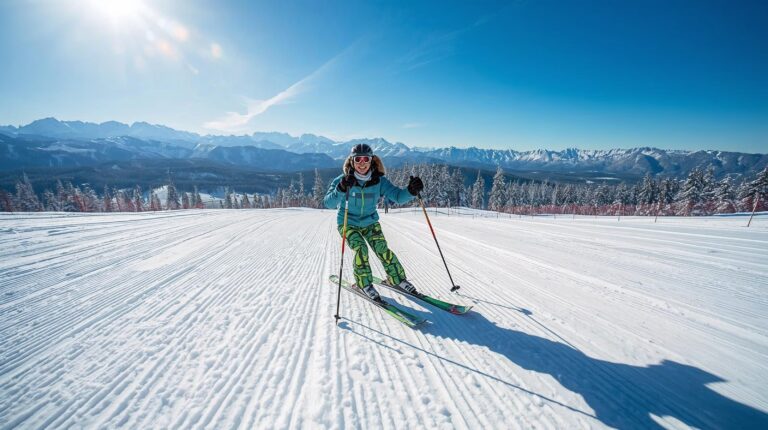
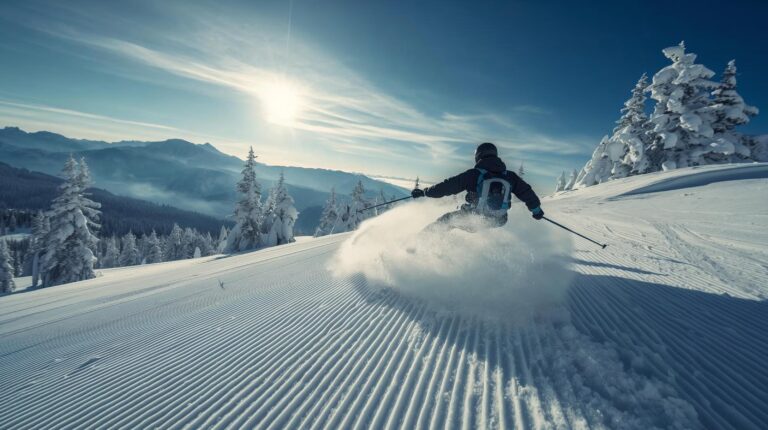
During the 20th century, Bansko gradually developed not only as a historical and cultural center, but also as a leading tourist destination, popular for its nature and winter sports. Nowadays, traditions continue to be woven into modern life, and cultural events and outdoor festivals are an integral part of the city's event calendar.
Conclusion
The Bansko region is a living museum of the history and traditions of the Bulgarian people. From its ancient roots, through the Renaissance, to the present day, it continues to be a symbol of the preserved Bulgarian culture, spirit and national identity. Visiting Bansko, one not only enjoys the beautiful nature and the resort, but also has the opportunity to feel the pulse of the centuries-old customs that make this place unique.



 English (UK)