


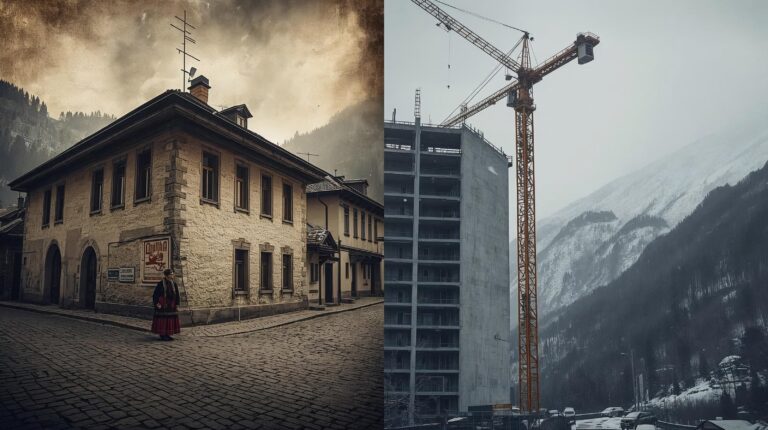
The Gold Rush: When the British "discovered" Pirin
The economic dynamics of 2005 were dictated by an unprecedented influx of speculative capital. In the context of Bulgaria's upcoming membership in the EU, Bansko appeared on the radar of British and Irish investors as the "new Alpes-d'Huez". Bansko's history remembers this period as the weather of "greenfield purchases" - people bought apartments that existed only as blueprints, believing in promises of 20-30% annual returns.
The price of regulated land soared to levels unthinkable just two years earlier. Farmland in the Gramadeto area, which had until recently been pasture, was transformed into construction sites overnight. Local residents, whose families had farmed the land for centuries, found themselves at the center of a property storm that changed the social landscape of the city forever.
Property Market Statistics (2005 vs 2026)
| Indicator | 2005 | 2026 (Forecast) |
|---|---|---|
| Average price per sq.m. | €850 – €1,100 | €1,450 – €1,800 |
| Number of beds in aparthotels | ~8,500 | ~22,000+ |
| Foreign owners | British, Irish | Digital nomads, Israelites |
The Urban Clash: From the Renaissance to Concrete
The transformation of Bansko in 2005 led to a serious architectural rift. While the historic center around the Holy Trinity Church retained its authentic spirit, massive structures sprang up in the southern part of the town, blocking the panoramic views of Pirin. This was the year when Bansko began to „stretch“ towards the mountain.
The infrastructure designed for a small mountain town began to collapse under the weight of thousands of new buildings. Glazne and Bulgaria streets were constantly blocked by concrete trucks, and dust became an integral part of everyday life. However, it was in this chaos that the modern vision of the resort was born, which today attracts thousands of tourists annually.
The ski area and the birth of the world destination
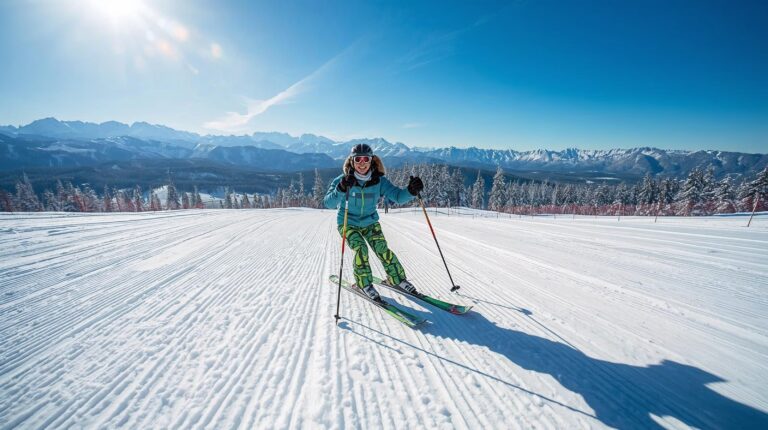
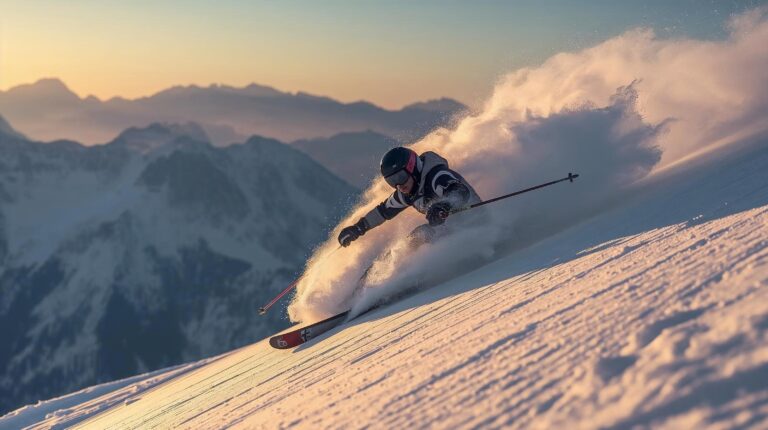
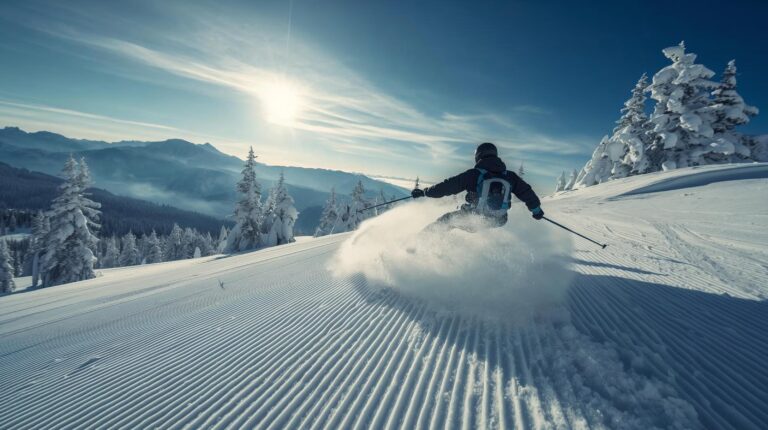
A critical moment in the history of Bansko in 2005 was the modernization of the ski area. With the investments of "Yulen" AD and the support of the legend Mark Girardelli, Bansko declared its claims to a place among the elite of winter sports. The opening of the Kempinski Hotel Grand Arena set new standards for luxury - for the first time in Bulgaria a true ski-in/ski-out concept of world class appeared.
Environmental challenges
The expansion of ski slopes and facilities in 2005 sparked some of the largest environmental protests in the country. The conflict between tourism development and the preservation of Pirin National Park remains an open wound in public dialogue to this day.
The Legacy of 2005: Lessons for the Future
Today, looking back from 2026, we can say that 2005 was a painful but necessary period of growth. The city went through the „concrete shock“ stage to become a mature destination. Bansko no longer relies solely on skiing – it is a center for culture, jazz festivals and a global hub for digital nomads.
Major achievements from the "Big Bang":
- International prestige: Hosting World Cup starts.
- Year-round tourism: Development of SPA and conference tourism.
- Economic growth: Creating thousands of jobs for the entire region of Blagoevgrad and Razlog.
If you want to delve into the details of this transformation, check out our complete archive of documents and photos from the era.
Do you want to find the best accommodation in Bansko today?


 English (UK)