


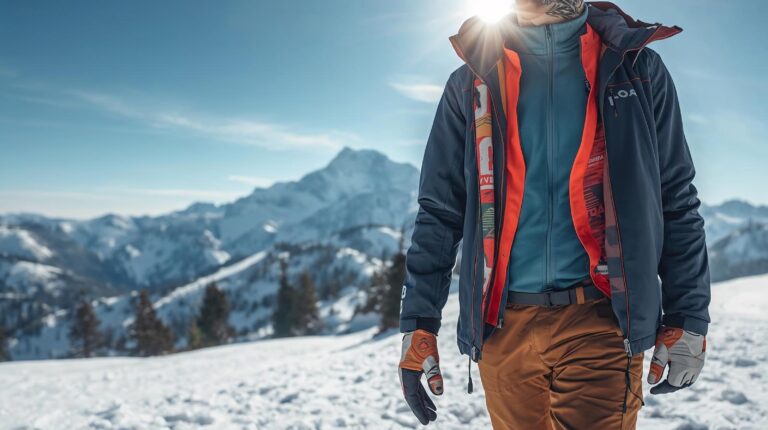
The true enjoyment of winter in Bansko and Pirin depends mostly on the right equipment. The mountains here are magical, but also harsh - the climatic conditions require informed clothing selection to stay dry, warm and comfortable while skiing or hiking.
Climatic conditions in the region
The winter season in Bansko (from December to March) is characterized by average daily temperatures about 7°C in the city and significantly lower in the high mountains (average about -3°C). January is the coldest month, when daytime temperatures rarely exceed 1-2°C, and nighttime temperatures drop to -5°C, and during periods of arctic fronts, thermometers can show up to -18°C.
The snow cover in the higher parts of Pirin (above Banderishka Polyana) usually varies between 60 and 100+ cm, providing perfect conditions for winter sports. Humidity is often high, which increases the feeling of cold. Weather It's dynamic here – either crystal clear sunny days with the typical strong mountain sun, or periods of intense snowfall and wind.
The three-layer dressing system
The secret to comfort in Pirin is not in thick clothes, but in the layers. Each layer has its specific role:
1. Base layer (Thermal underwear)
This is your “second skin.” Its role is not just to keep you warm, but to manage moisture.
-
How it works: When you are actively moving on the slopes, your body sweats. The base layer “pulls” this moisture away from your skin and transfers it upwards. If you are left with a wet cotton tank top, you will freeze when the lift first stops.
-
Materials: Bet on merino wool (warm even when wet, does not retain odors) or high-tech synthetics (dries instantly). Avoid cotton at all costs!
2. Middle layer (Insulation)
This layer acts as a heat accumulator.
-
How it works: It “captures” the warm air that your body emits and retains it in its structure, while allowing moisture from the thermal underwear to continue its journey to the outside.
-
Best choice: Classic fleece or a light jacket with synthetic down. For skiing in Bansko it is good to have a garment with a zipper to regulate the temperature while waiting in line for the Gondola or drinking tea of "Shiligarnika".
3. Outer layer (Membrane/Shell)
Your shield against the elements of Pirin – snow, wind and water.
-
How it works: This jacket stops wind and water from the outside, but it must be “breathable” (with a membrane) so that you don't get sweaty from your own sweat.
-
Features: Search water column minimum 10,000 mm. The wind on the ridges (especially around Todorka) is a serious factor in cooling, so wind resistance is key.
Important additions for complete protection
-
Chapter: A large percentage of heat is lost through the head. Wear a helmet or warm hat.
-
Face and neck: On cold days, a "buff" (multifunctional scarf) is a must. In blizzards, a face mask (balaclava) is a lifesaver.
-
Hands: Gloves should be waterproof. If your fingers get cold easily, choose mittens.
-
Legs: Invest in quality wool ski socks. One pair is more than enough if your boots fit properly.
Golden rules for dressing in Bansko
-
Don't overdo it: If you're too warm in the parking lot, you're wearing too much. You'll be sweating before your first descent.
-
Flexibility: Three thin layers are better than one thick jacket. That way you can take off your fleece if the sun gets too hot on the Plateau and put it back on when the sun goes down.
-
Spare clothes: Always carry a dry shirt/thermal underwear in your backpack for a change of clothes if you plan a long lunch at one of the huts.
The investment in quality equipment pays off many times over in comfort and health. Pirin is beautiful in winter – you just have to be prepared for it.
 English (UK)