


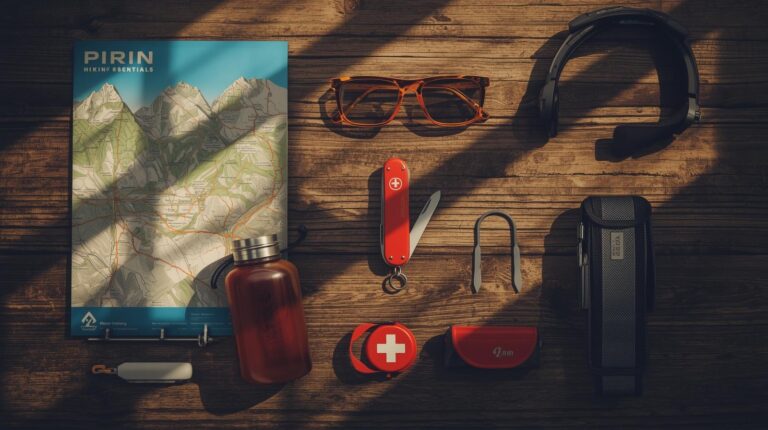
The correct one mountain equipment is the line between a pleasant adventure and a dangerous incident, especially in the harsh conditions of Pirin. Whether you are planning a leisurely stroll around Vihren Hut or a serious hike along the edge of Koncheto, preparation is key. The mountain demands respect, and “The Ten Essentials” are your insurance against the unexpected.
This concept was created in the 1930s by “The Mountaineers” (Seattle) and today is the gold standard for safety worldwide. Here, in Bansko, where the weather can change in minutes, following this list is a must. Here's what every responsible mountaineer's backpack should contain.
1. Navigation: Know where you are
In the era of smartphones, we often forget the classics, but batteries die and electronics break. The fog in the area of Mount Todorka can literally fall in 5 minutes.
- Map and Compass: A paper map never loses its range. Learn to orient it to the terrain.
- GPS/Applications: Use reliable apps (like BGMountains), but always carry an external battery (Power bank).
2. Sun Protection: Glasses and Skin
The sun in the high mountains is much more aggressive. The atmosphere is thinner, and the white rocks of Pirin (the marble) and the snow patches reflect the UV rays like a mirror.
- Sunglasses: Mandatory category 3 or 4. Snow blindness is a painful reality.
- Sunscreen: Wear sunscreen even when it's cloudy.
3. Insulation: Clothing and spare clothes
Yours mountain equipment should include the “layering” system. This allows you flexibility when the weather changes.
- Base layer: Thermal underwear made of synthetics or merino wool that wicks away sweat.
- Insulating layer (Mid layer): Fleece or light down jacket to retain heat.
- Outer layer (Shell): Windproof and waterproof jacket (membrane).
4. Lighting
Never rely solely on your phone's flashlight. The hikes are often long and you may have to return to Bansko in the dark.
- Headlamp: Frees your hands for poles or climbing.
- Spare batteries: In cold weather, battery capacity drops dramatically.
5. First Aid: The Personal First Aid Kit
The first aid kit is the heart of safety. Don't just buy a ready-made car first aid kit, customize it. For long hikes in Pirin, where the rocks are sharp, here's what's important:
| Required | Blister patches (Compeed), sterile gauze, elastic bandage. |
| Medications | Painkillers, antihistamines (for stings), personal medications. |
6. Fire and heat
In case of emergency camping, fire keeps morale and body temperature up. Carry waterproof matches, a lighter, and rubbing alcohol. In national parks, lighting fires is prohibited outside of designated areas, but in a survival situation, it is life-saving.
7. Tools and repair kit
Multitool (Victorinox type knife) is a classic. Add some duct tape – it can fix a torn jacket, a broken pole, or even glue the sole of your shoe together until you reach the hut.
8. Food (Energy)
Always carry at least one more day's worth of food than you plan to carry. Opt for high-calorie foods that don't require cooking – raw nuts, dried fruit, energy bars and chocolate.
9. Hydration: Water is life
Pirin is a karst mountain and in certain areas (for example around Koncheto) there is a lack of water. Dehydration leads to rapid fatigue and poor decisions.
- Capacity: Bring at least 1.5 – 2 liters of water.
- Purification: Purification tablets or a filter are a must if you are going to drink from streams and lakes to avoid stomach problems.
10. Emergency shelter
Even if you're planning a day hike, if you sprain your ankle and have to wait for a PPE, shelter is critical. The easiest option is the rescue foil. It weighs grams, costs pennies, but reflects up to 90% of body heat back to you.
Preparation is not paranoia, but professionalism. When your mountain equipment is complete and checked, you can truly enjoy the beauty of Pirin, knowing that you are ready for any challenge.
 English (UK)