

But what happens when the romantic notion of a harmonious life in the mountains collides head-on with the reality of the local administration? It turns out that the removal of permanent address in Bansko It happens, but it is often accompanied by a peculiar, burdensome atmosphere of bureaucratic reluctance.
The clash with the "Red Office": The sigh behind the counter
Let's look at a very real scenario, based on the experience of dozens of new residents. A young professional, who recently purchased a property in the city, decides to take the final step towards his full integration. He wants to get a permanent address. His goal is clear – to be able to vote in local elections, enroll his child in the local kindergarten and pay local taxes where he actually lives.
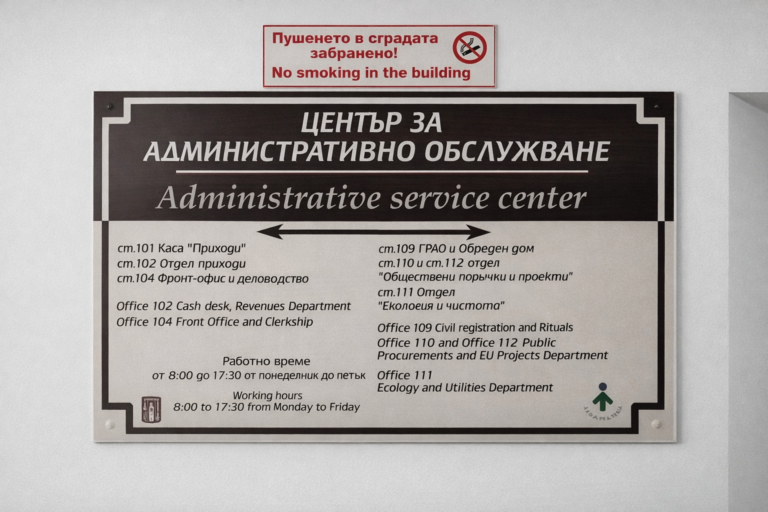
Armed with a notarial deed and an ID card, he enters the famous "Red Office" (the emblematic building of the municipality) with a positive attitude: „"I want to register as a resident to contribute to the development of the city."“
For someone coming from the corporate world or a big city where every taxpayer is valued, this attitude is confusing. You follow the law, they do their job, but somehow they make you feel like an intruder. Why?
4 reasons why Bansko Municipality is reluctant to register new residents
Behind the sour expression at the counter is not just the employee's bad day. There are deep structural, economic and social problems related to the city's rapid growth.
1. Bureaucratic capacity and overload
For the administration, working with limited resources and fixed salaries, each new candidate for permanent address in Bansko is not an "investor in the local economy", but simply additional work. The wave of new residents creates enormous stress for the small administrative apparatus, which is simply not used to such a volume of documentation outside its usual rhythm.
2. Infrastructure panic: The city is getting crowded
This is the municipality's most serious and legitimate fear. The city's infrastructure is designed for about 10-12 thousand permanent residents.
- Education: Every new family with a permanent address means children who have a legal right to a place in municipal kindergartens, where capacity is already critically full.
- Utilities: More year-round residents mean a drastically greater load on the water supply network, cleaning and garbage collection year-round, not just during the three winter months.
3. The Economic Paradox: Guests Are More Comfortable Than Neighbors
As cynical as it may sound, it is financially more comfortable for the local government to be a „tourist with a holiday home“ than a local resident. As a second home owner, you pay property tax and garbage fees, but you draw almost no social resources. However, if you register officially, you become part of the local community and begin (quite rightly) to demand adequate sidewalks, street lighting and social care.
4. Cultural clash and identity preservation
Bansko is a town with extremely strong traditions. The mass migration of people with different habits creates a subconscious fear among the locals that they will lose the authentic spirit of their native land. The line "we don't need them anymore" or the heavy sighs are more of an emotional defense mechanism against the rapid and uncontrollable change in demographics.
How to approach registration?
Just be prepared and neat. Here's what you need to claim yours without a hitch permanent or current address in Bansko, without giving rise to further delay:
- Property document: Notarial deed for acquired property on the territory of the municipality (also bring a copy).
- Rental agreement: If you are a tenant, you will need a valid contract, as well as the presence of the owner (or an explicit written consent/declaration).
- ID card: Valid ID.
- Patience: Smile politely at the comments and just wait for them to process your documents.
Conclusion: Time for adaptation
The cold, reluctant service of the local administration is a symptom of the city's growth. Bansko is already a global attraction, but its institutions are still trying to catch up with this reality. The city cannot stop the influx of young, active and solvent people from all over Bulgaria.
New residents are not just a burden on the infrastructure – they are the engine of the local economy outside the winter months. When the local government and administration realize this, the heavy sighs behind the counter will naturally give way to a more welcoming attitude.
 English (UK)