

Behind the smooth and safe operation of the gondola is an extremely well-oiled team of professionals. They work in harsh mountain conditions, often starting their day long before sunrise and ending long after the last skier has returned to the warmth of town.
Station hierarchy: How is the team distributed?
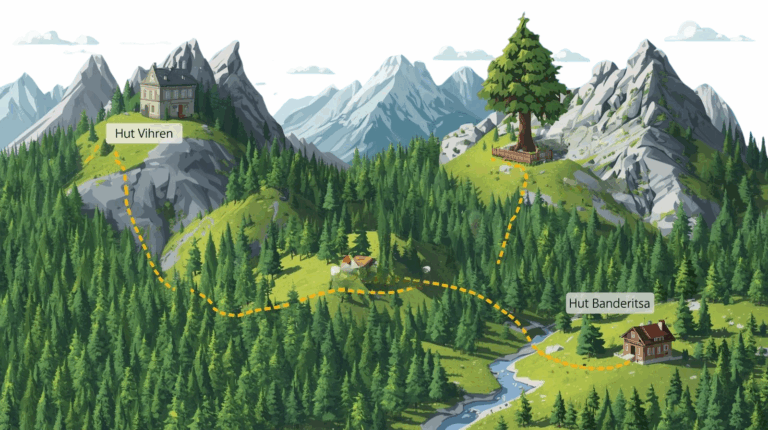
In order for a 6-kilometer facility to operate without fail, the team servicing the gondola lift is strategically distributed at three key points – the Base Station (downtown), the Intermediate Station (“Chalin Valog”) and the Upper Station (“Banderishka meadow“"). Their internal communication must be absolutely flawless down to the second. At each station there is a strict hierarchy: station master, chief engineer and a team of operators.
The operators: The people of Bansko ski area
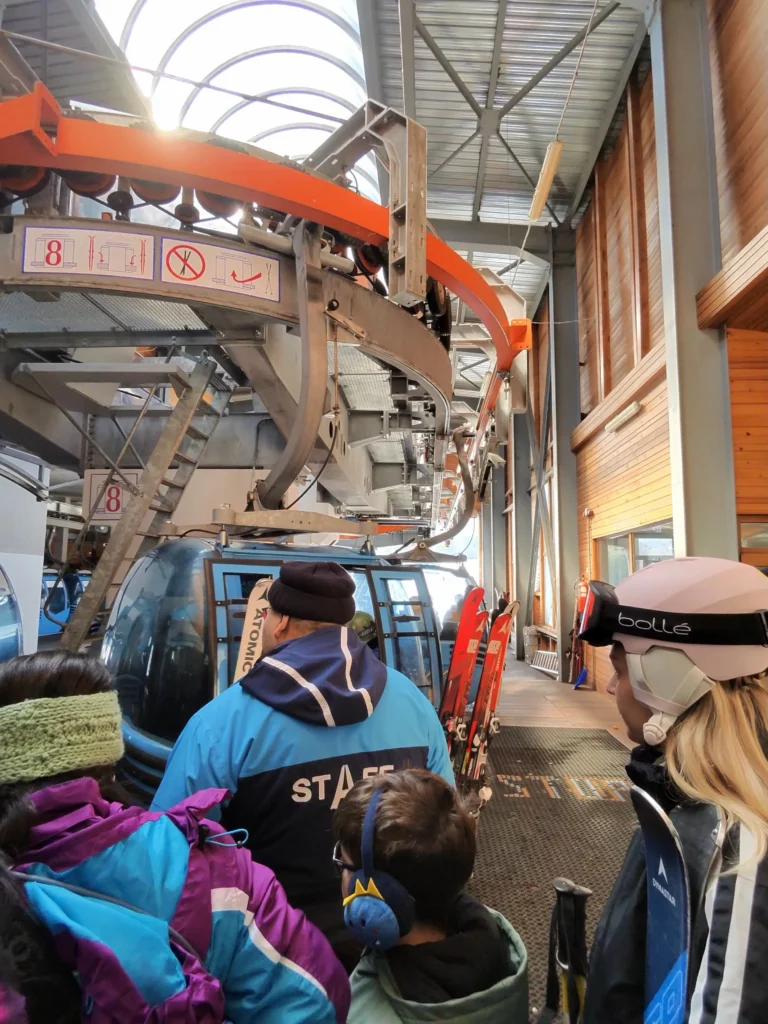
The lift operators are the first people in uniform you see when you step foot in the station. Their job seems easy and routine from the outside – just watching tourists get into the blue cabins. In reality, however, their responsibility is enormous and requires constant physical activity and iron concentration.
They monitor the correct weight distribution in each gondola, help novice skiers, the elderly and children to load their winter equipment safely into the external luggage racks. They always hold a radio in their hands for constant communication with the drivers and their colleagues from other stations. If a tourist experiences difficulty or slips while boarding, the platform operator has the power and obligation to slow down the entire facility or stop it completely by pressing an emergency button.
Mechanics: People who speak the language of machines
If the operators are the eyes, ears and smile of the gondola lift, then the mechanics and drivers are its doctors. Their work begins in the dark hours of the day, long before the ski area officially opens to eager visitors.
The daily duties of the technical staff include visual and instrumental inspection of hundreds of major components. They manually check the grip mechanism of the cabins, inspect the oil levels in the hydraulic brake systems and monitor the proper tension of the kilometer-long steel cable. This work knows no bad weather – it often requires climbing the high icy pillars of the facility, which is performed by specialized high-altitude technicians, regardless of sub-zero temperatures, snowfall or strong mountain winds.
The morning “Test Run”
No tourist can board the gondola before the team has performed the mandatory morning test spin. At around 06:30 in the morning, while Bansko is still sleeping, the chief mechanic gives a radio signal to start the system. The process includes:
- Route check and defrosting: The cabins make one complete empty run. During this time, the staff listens carefully for unusual noises on the pulleys. If there has been freezing rain during the night, this run helps break up the ice on the rope.
- Sensor test: Various emergency situations are simulated (for example, a fictitious open door) to ensure that computers and anemometers (wind sensors) respond adequately and block the system if necessary.
- Communication check: All stations confirm by voice that the communication systems, backup generators and video surveillance cameras are operational.
The Challenges: Working in the Heart of the Elements
Working in the mountains is never predictable. The Bansko gondola crew faces extreme weather conditions almost daily during the active winter season. High-altitude winds and heavy snowfalls require quick, coordinated and adequate responses.
All 165 cabins often have to be manually retracted and parked in the facility's garages late at night to protect them from hurricane-force winds at night, and then brought out onto the track again in the early hours of the morning. This is hard, exhausting physical labor that requires perfect coordination between absolutely every employee on the shift.
The next time you mark your ski pass at the turnstile and smile at the man in uniform who holds the gondola door for you, remember that he is only a small, visible part of a huge and dedicated team. A team whose sole goal is your safe, comfortable and trouble-free ascent to the snowy peaks of Pirin.
Respect the work of the staff and inform yourself before traveling!
 English (UK)