

Expert Council from Bansko
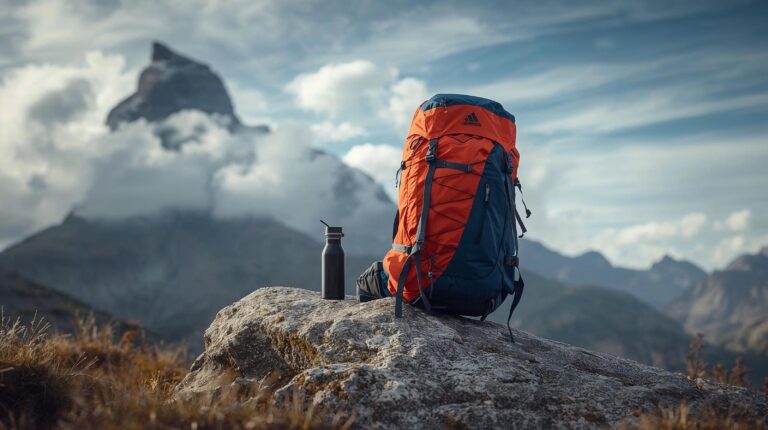
Before you get into details like the number of pockets and type of suspension, answer the main question: What volume do I need? A backpack that is too big will make your equipment "play", while one that is too small will not hold even the basic things for your safety in the harsh Pirin Mountains.
Why is choosing a mountain backpack critical in Pirin?
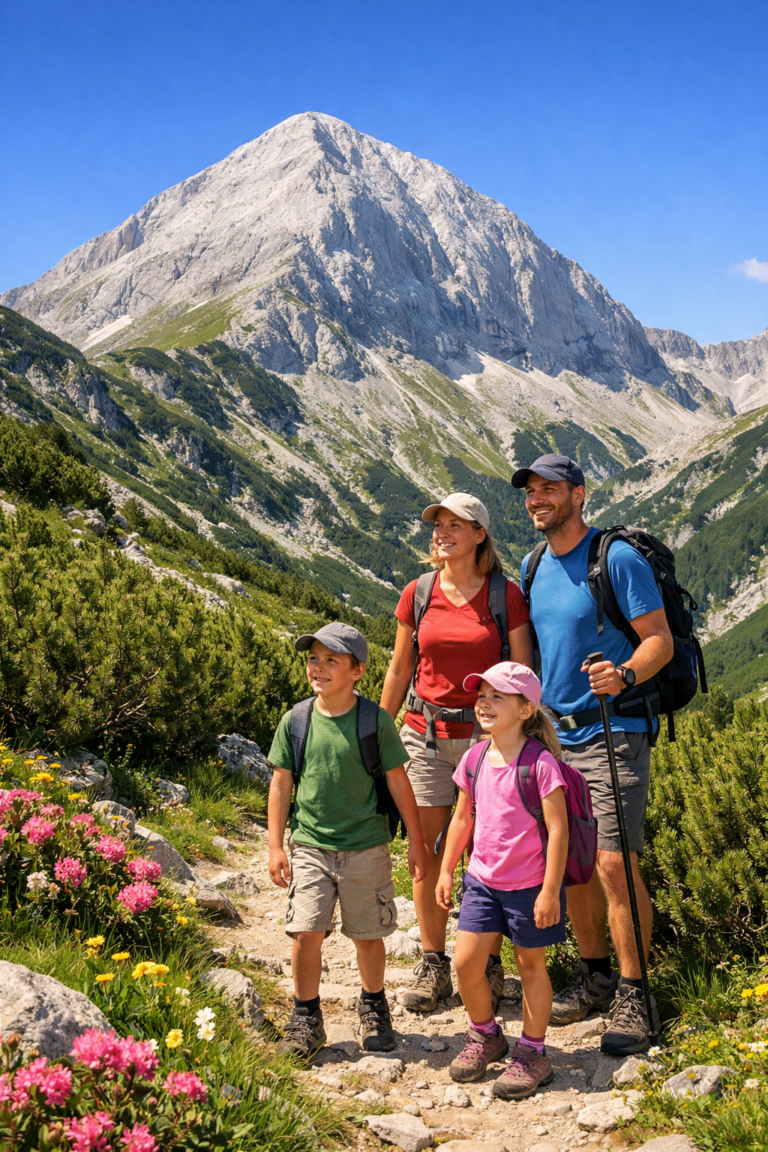
When you're just starting out, any old backpack might seem adequate. But once you decide to attack more serious targets like Vihren peak or the legendary edge The horse, the right choice is a matter of comfort and personal safety. Pirin is one of the harshest mountains in the Balkans with huge elevation changes and specific alpine terrain.
Size vs. Capacity: What do we need to know?
„The “size” of a professional mountain backpack refers to two main characteristics:
- Capacity: The volume measured in liters.
- Back length: A key parameter for the correct distribution of weight on the pelvis, not on the shoulders.
Many small backpacks are one-size-fits-all, but serious models for hiking in Pirin come in a variety of torso sizes. An ill-fitting backpack can cause back and shoulder pain even before you’ve climbed the steep slope to Vihren Hut.
Backpack classification according to the type of hike in the Bansko region
| Transition type | Volume (Liters) | Sample route |
|---|---|---|
| Short walks | 15 – 25 liters. | Lake Okoto |
| Full-day hikes | 25 – 40 liters. | Vihren Peak / Polezhan |
| Overnight stay in a hut | 40 – 55 liters. | Tevno Lake (two-day) |
| Expeditions/Camping | 60 – 80+ liters. | Traverse the entire ridge |
1. Short outings and quick missions (15 – 25 liters)
For hikes that only last a few hours – for example from The Shiligarnika to Lake Okoto – low capacity is ideal. These small backpacks are light and sit close to the center of gravity, allowing you to move dynamically.
What does it collect: Water system (camelback), light windbreaker, phone and a few energy bars.
2. Long days in Pirin (25 – 35 liters) – The Gold Standard
If you plan on climbing peaks, you will need a larger mountain backpack. Pirin is known for its sudden changes in weather conditions – the sun can hide in minutes and hail can fall.
Why this size: It holds extra layers (down jacket or fleece), a full set of rain gear, a personal first aid kit, and enough food for the whole day.
Attention: The specifics of the terrain!
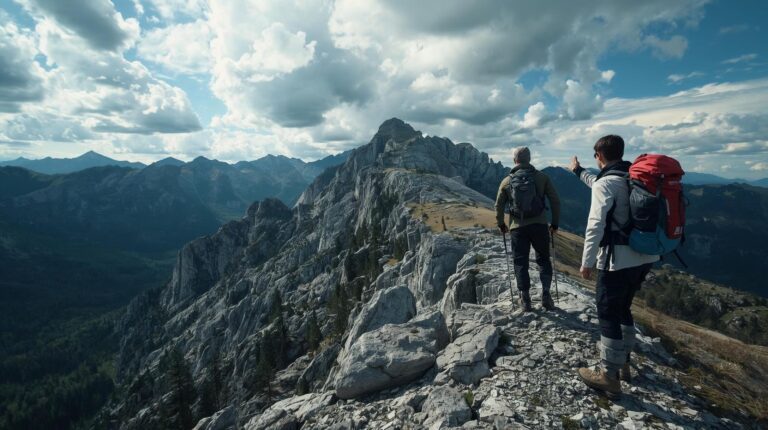
In the alpine part of Pirin, “scrambling” (climbing with the help of hands) is often required. Make sure your mountain backpack has narrow and aerodynamic profile. Wide backpacks can throw you off balance when passing through narrow sections like the Koncheto ridge.
3. Overnight stays in huts or light trekking (40 – 50 liters)
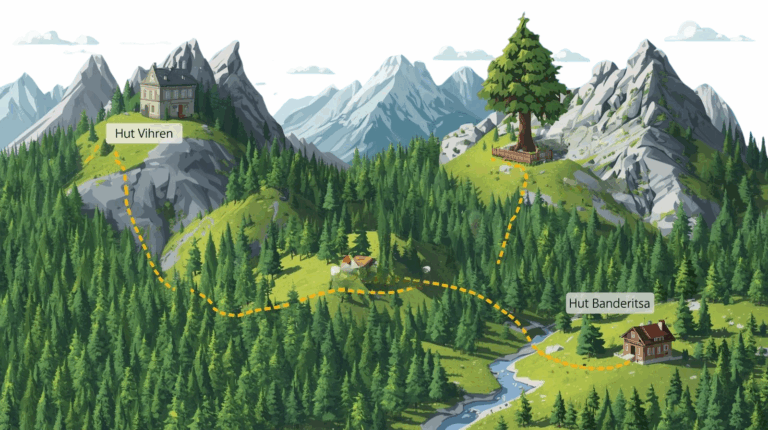
About 40 liters is the limit between a day hike and an overnight trek. Since the huts around Bansko (Banderitsa, Vihren, Demyanitsa) offer food and beds, you don't need to bring full camping equipment.
Advantage: Enough space for a liner sleeping bag, slippers for the hut and a full set of spare clothes.
Where in Bansko can you find the right equipment?
Bansko has excellent specialized mountain equipment shops. Most are located along Pirin Street“ and near the starting station of the gondola lift. Our advice is to always try the backpack on site by asking the consultants to fill it with weight. Only then will you feel whether the suspension system fits your anatomy.
Conclusion
The choice of mountain backpack for the Bansko area depends mostly on your ambition and experience. Start with a quality 30-liter backpack – it is the most versatile tool for Pirin. Remember that the mountain is much more beautiful when your back does not suffer under an incorrectly distributed load.
 English (UK)