

In this detailed guide, we will look at what makes Pirin so special, what the UNESCO criteria are, and how we, as visitors, can preserve this wealth for future generations.
What does UNESCO actually represent?
UNESCO (United Nations Educational, Scientific and Cultural Organization) was founded immediately after World War II, in 1945. The idea behind its creation is profound and humane: since wars begin in the minds of people, the defense of peace must be built there. The organization believes that through cooperation in the fields of education, science and culture, countries can achieve understanding that politics often fails to provide.
The organization's headquarters are in Paris, but its influence is global. UNESCO doesn't just put plaques on monuments; it actively:
- It funds educational programs in developing countries.
- Fight for equal access to science and technology.
- Defends media freedom and cultural diversity.
- It protects sites of “outstanding universal value” through the World Heritage List.
Admission criteria: Why was Pirin National Park chosen?
The World Heritage mechanism divides sites into two main categories: cultural and natural. For natural sites, such as Pirin National Park, the criteria are ruthless. They must represent important stages in Earth's history, contain exceptional natural phenomena, or be habitats for endangered species.
Pirin was chosen for its specific alpine character, shaped by glaciers thousands of years ago. The territory of the UNESCO site covers over 27,000 hectares, encompassing the wildest and most untouched parts of the mountain.
„"Once inscribed, the site receives international protection, but it also comes under scrutiny. If the state fails to take care of it, UNESCO can place the site on the 'List of World Heritage in Danger' – a serious blow to any country's reputation."‘
Biodiversity: The Living Treasure of Pirin
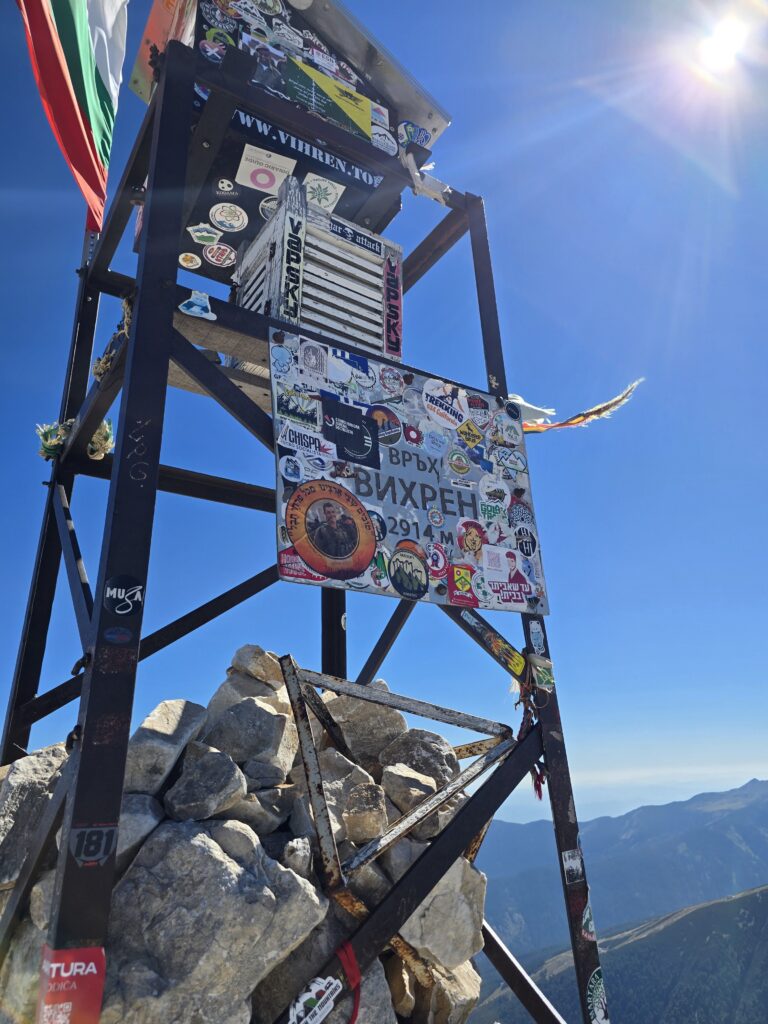
Pirin National Park is the jewel in Bulgaria's ecological crown. Established in 1962 (originally as Vihren National Park), it has gradually expanded its territory. Here rise the marble giants, led by the leader, Vihren Peak (2914 m), which is the third highest in the Balkans.
The lakes – the eyes of the mountain
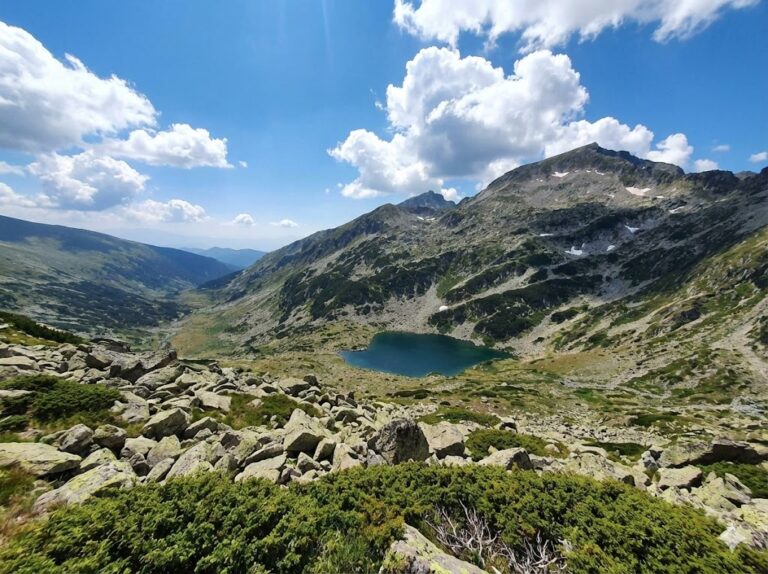
The park is famous for its over 70 glacial lakes, located in deep cirques. They look like celestial mirrors among the rocks. Among the most popular for tourists from Bansko are:
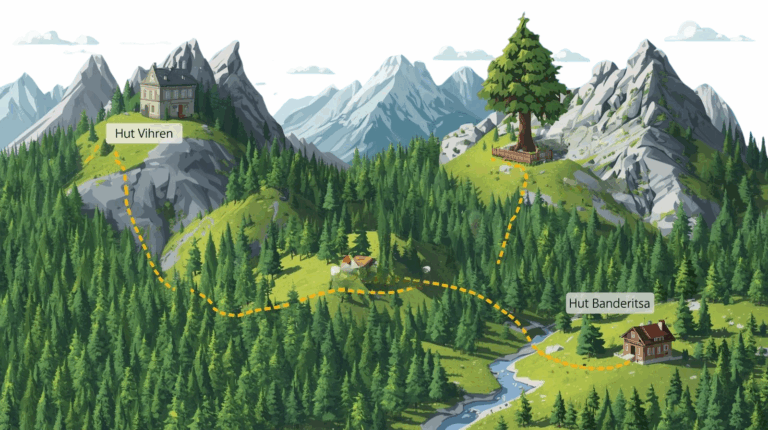
- Banderishki Lakes: Affordable and beautiful, located near Vihren hut.
- Popovo Lake: The largest in area and depth in Pirin.
- Tevno Lake: Located high in the Alpine region, a favorite place for experienced mountaineers.
Flora and fauna
Pirin is not just stone and water. It is home to ancient coniferous forests. Here grows Baikusheva mura – the oldest coniferous tree in Bulgaria, whose age exceeds 1300 years. It is a contemporary of the creation of the Bulgarian state.
The rich biodiversity includes hundreds of rare plants, including the iconic edelweiss (Leontopodium nivale), and protected animals such as the chamois (Rupicapra rupicapra balcanica) and the brown bear.
The importance of Bansko and sustainable development
For Bansko, being on the UNESCO List is a powerful driver for the city's image. It puts the resort on the same map as places like the Grand Canyon in the USA or the Galapagos Islands. Tourists who come here know that they are visiting a place with preserved purity and authenticity.
However, this prestige also brings with it a huge responsibility for the local community and businesses. UNESCO status requires a delicate balance between modern ski infrastructure and wildlife conservation. Sustainable tourism in Pirin National Park is not just a fashionable phrase – it is a necessity.
🍃 Rules of conduct in the Park
To maintain UNESCO status, every visitor must adhere to the following rules:
- Fire lighting is prohibited: Outside strictly regulated areas.
- Without bivouac: Tents are pitched only in designated areas around the huts.
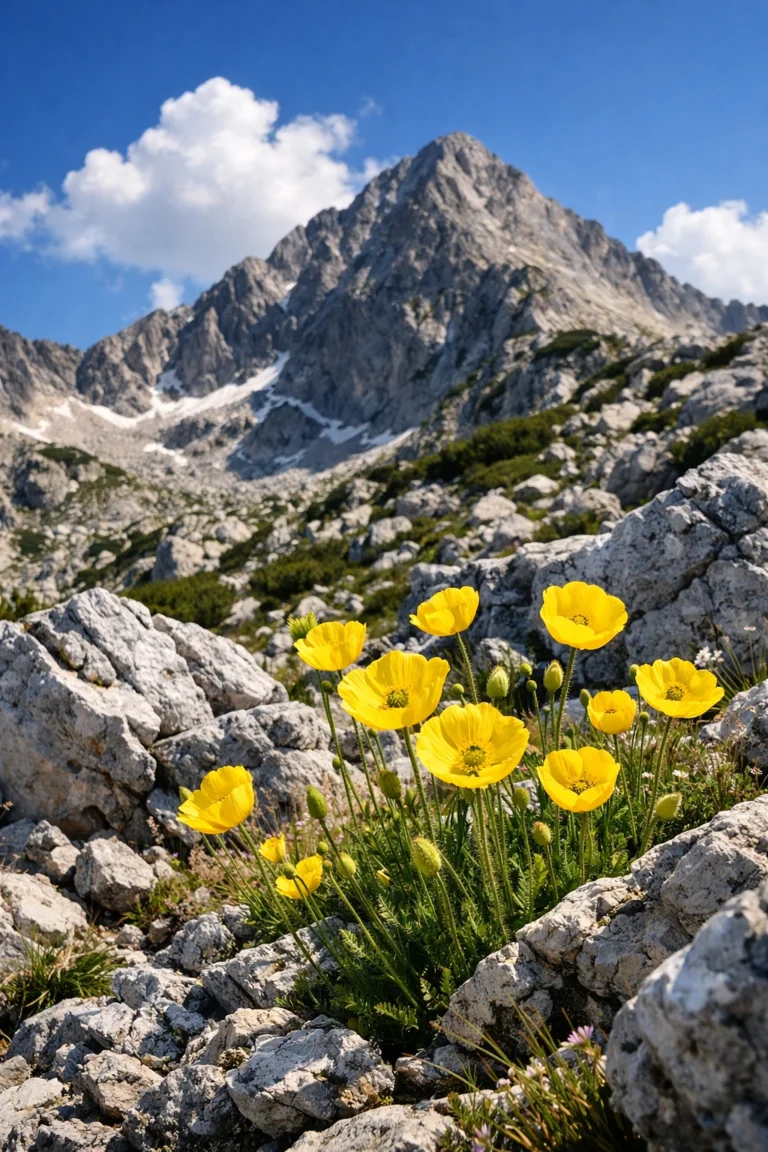
- Don't pick flowers: Many of the species, such as the Pirin poppy and Edelweiss, are protected by law.
- Pick up your trash: There are no trash cans on the mountain – everything you bring up has to come down with you back to Bansko.
Bulgarian treasures under the auspices of UNESCO
Bulgaria is an active participant in the preservation of world heritage and has 10 recognized sites (7 cultural and 3 natural). Knowing them is a matter of national pride. Here is the full list:
| Object | Type and Location | Description |
|---|---|---|
| Pirin National Park | Natural (Bansko/Pirin) | Alpine relief, glacial lakes and ancient forests. |
| Rila Monastery | Cultural (Rila) | The largest spiritual and literary center in Bulgaria. |
| Boyana Church | Cultural (Sofia) | A world example of pre-Renaissance art (1259). |
| Madara horseman | Cultural (Shumen) | A unique rock relief, a symbol of Bulgarian power. |
| Kazanlak Tomb | Cultural (Kazanlak) | A masterpiece of Thracian architecture and painting. |
| Ivanovo rock churches | Cultural (Ruse) | A network of temples in the rocks of Rusenski Lom. |
| Old Nessebar | Cultural (Black Sea) | An architectural reserve with a thousand-year history. |
| Sveshtarska Tomb | Cultural (Razgrad) | Famous for its unique sculptures of caryatids. |
| Srebarna Reserve„ | Natural (Danube) | Home of the Dalmatian Pelican and a stop on the Via Pontica. |
| The ancient beech forests | Natural (Central Balkans) | Part of a transnational site of the Carpathians and Europe. |
Conclusion
Knowing and preserving these sites is the duty of each of us, and for the residents and guests of Bansko it is a privilege to be guardians of one of these world wonders. The next time you look up at the peaks of Pirin National Park, remember that you are looking at a heritage that belongs to all humanity.
 English (UK)