


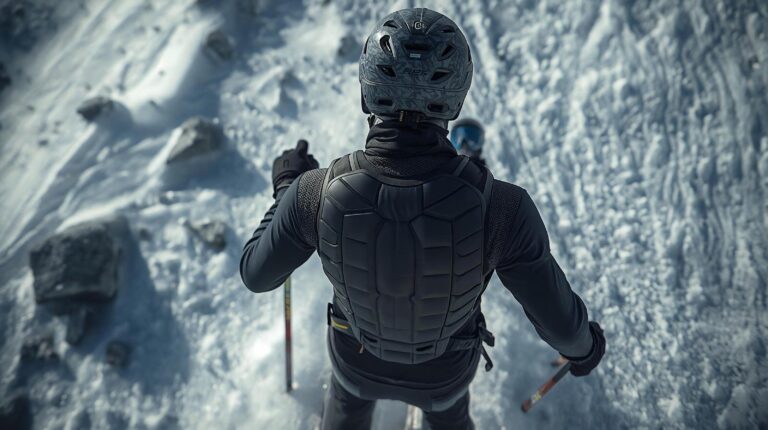
While the helmet has long become a mandatory standard, the reliable back protector (often called the “turtle”) is still unfairly overlooked by many enthusiasts. This is a serious mistake. The spine is a complex and vulnerable system, and a collision with a hard object or another skier can have irreversible consequences.
In this article from the series about full ski equipment We'll look at why this "forgotten hero" should be part of your arsenal for the 2026 season. We'll compare modern "smart" foams to classic hard shells and teach you what safety certifications mean.
1. Types of Back Protectors: Hard vs. Soft
There are two main technologies on the market. Both work, but the feel of wearing them is radically different.
| Protector type | Characteristics | Advantages and Disadvantages |
|---|---|---|
| Hard Shell | Classic plastic panels, often resembling armadillo armor. | ✅ Excellent against sharp punctures (rocks/branches). ❌ Heavier, inflexible and strain the back. |
| Soft foam (Viscoelastic / D3O) | They use “smart” molecules. They are soft when moving, but harden instantly upon impact. | ✅ The modern choice for 2026. Extremely comfortable, they follow the curves of the body. ❌ More expensive than basic plastic models. |
2. Safety certificate: EN 1621-2
When you buy back protector, don't just look at the color, look at the label. Look for the European standard for motorcycle and winter protection EN 1621-2. It has two levels:
- Level 1: Basic protection. Passes impact force up to 18 kN. Suitable for slower riding and children.
- Level 2: High protection. Passes under 9 kN of force. This is the standard you should aim for, especially if you ride fast on the slopes of Bansko or you go freeriding. It absorbs almost twice as much energy as Level 1.
3. Construction: Vest or straps?
The way you fasten your shoes determines your comfort throughout the day.
- Backpack type (with straps and belt): Classic option. Cheaper and more airy, but sometimes moves up and down when riding.
- Type “Vest” (Vest): The protector is built into a breathable zip-up vest. This is the most preferred option today because it stays “glued” to the body and is not felt under the jacket. It also adds a thin layer of warmth.
Conclusion
It's a myth that protectors are only for racers or extreme riders. On a crowded track, the risk of someone running into your back is real. A good back protector with soft foam (D3O) is an investment that you don't feel when you wear it, but can save your season – and your health – at a critical moment.


 English (UK)