


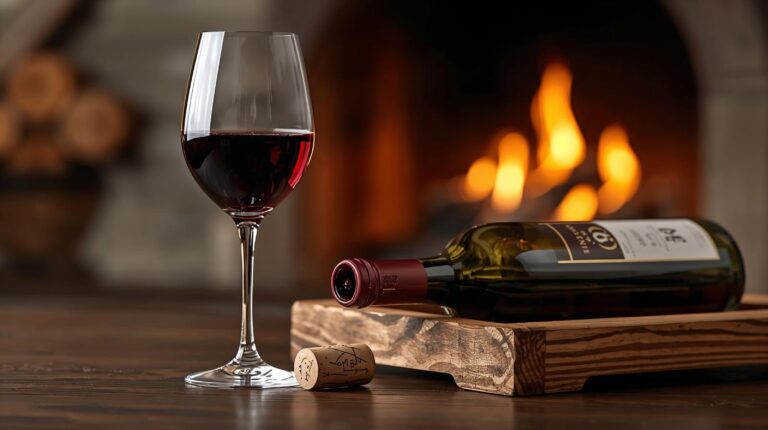
Wine is not just a drink – it is an experience, a history and a science. In the region of Bansko and the Struma Valley, where wine culture is part of the locals' DNA, the right attitude towards wine is a matter of honor. Whether you're enjoying a glass of Mavrud in front of the fireplace after a long day on the slopes of The Shiligarnika, or you're opening a bottle of classy champagne for a celebration, the details matter.
This manual for serving and storing wine will transform the way you consume your favorite beverage. Even the most expensive bottle can disappoint if served warm, and vice versa – a budget wine can shine at the right temperature.
💡 Quick tip for the impatient
Wine is a "living" substance. It reacts to light, heat, and air. Your goal is to control these elements to unlock the full potential of the flavors.
1. Serving Temperature: The Key to Flavor
Temperature is the most critical and often underestimated factor. It directly affects the evaporation of aromatic molecules. Too cold wine is “closed” and tasteless, while too warm wine feels like “alcoholic soup”.
🍷 Red wines: 16-18°C
This is the most common myth: “Red wine is best drunk at room temperature”. This maxim comes from medieval French castles, where the “room” temperature was around 16-18°C. Today, in modern homes and hotels in Bansko, the thermometer often shows 23-25°C.
Why is it a problem? At temperatures above 20°C, alcohol begins to dominate the fruit notes, and the tannins become coarser.
The solution: Place the bottle in the refrigerator for 20-30 minutes before serving. The slight chill will make the wine more focused and elegant.
🥂 White wines and Rosé: 8-10°C
The goal here is freshness and acidity. However, be careful not to overdo it. If you serve white wine straight from the coldest part of the refrigerator (4-5°C), you will “freeze” its aromas.
The solution: Remove the wine 15 minutes before opening. For full-bodied white wines (like aged Chardonnay), even 12°C is an acceptable temperature to bring out their oily structure.
🍾 Sparkling wines: 6-8°C
Prosecco, Cava or Champagne require the lowest temperature. The cold keeps the carbon dioxide (bubbles) in the liquid longer and makes the drink crisp and refreshing.
Temperature summary table
| Type of Wine | Ideal T° | Serving tip |
|---|---|---|
| Solid Reds (Cabernet, Mavrud, Syrah) |
16-18°C | 20 min. in the refrigerator before opening |
| Light Reds (Pinot Noir, Gamay) |
12-14°C | 30-40 min. in the refrigerator |
| White and Rosé | 8-10°C | Remove 15 minutes before consumption. |
| Sparkling | 6-8°C | Straight from the refrigerator or freezer |
2. Storing Closed Bottles: The Longevity of Wine
Have you bought a box of wonderful wine from Melnik or a boutique winery near Bansko and want to save it for a special occasion? If you don't plan to drink it within a month, proper storage is a must.
The position: Why lying down?
This rule applies mainly to wines with cork stopper. When the bottle is lying down, the wine is in constant contact with the cork. This keeps it moist and swollen. If you store the bottle upright, the cork dries out and shrinks. The result? Oxygen enters the bottle unhindered and the wine oxidizes (spoils) before you even open it.
- Exception: Wines with screw caps or synthetic corks can be stored and served without risk.
Light and Place
Wine is like a vampire – it hates sunlight. UV rays can break down organic compounds in wine and lead to an unpleasant taste, often described as „boiled cabbage“ or „wet wool.“.
- The ideal place: A dark closet, cabinet, or specialized wine cooler.
- Forbidden place: The kitchen counter next to the oven or the windowsill. Temperature fluctuations during cooking are detrimental to the structure of the wine.
What to do with an open bottle?
Once opened, the clock is ticking. The oxygen that initially helps the wine „open“ begins to turn it into vinegar after a few hours.
- ❄️ In the refrigerator: A must! Even red wine should be stored cold after it's been opened. The low temperature slows down chemical processes.
- 🛑 Vacuum plug: If you have one, use it. It pumps out the excess air. If not, use the original cork.
- ⏳ Expiration date:
- Sparkling: 1 day (with champagne cork).
- White and Rosé: Up to 3 days.
- Red: 3 to 4 days maximum.
Bonus idea: If your wine has been sitting for too long, don't throw it down the sink! Use it for cooking – it's perfect for sauces, risottos, or marinating meat.
3. The meaning of the cups
An often overlooked detail is the shape of the glass. This is not snobbery, but physics. The shape of the glass directs the liquid to different areas of the tongue and concentrates the aromas towards the nose.
- For Red Wine: Look for glasses with a wide rim (larger surface area). This allows the wine to breathe and softens the tannins. For varieties like Pinot Noir or the local Shiroka Melnik grape, a wide glass is a must.
- For White Wine: Narrower, U-shaped cups. They keep the temperature low for longer and direct the floral aromas directly upwards.
- For Sparkling Wine: The classic flute glass is good for bubbles, but a more modern approach is to use a tulip glass, which also allows the flavors to develop.
4. Decanting: When is it necessary?
Decanting (pouring wine into a carafe) has two purposes: to remove the sediment from old wines and to aerate (fill with oxygen) young, powerful wines.
If you open a bottle of young Cabernet Sauvignon or Syrah and the taste is too astringent and closed, decant it for 30-60 minutes. It will “soften” and reveal its fruity notes. Most light white wines and rosés do not need to be decanted.
The right thing serving and storing wine It doesn't require expensive equipment, just a little knowledge and attention. By following these simple steps, every bottle opened in the comfort of your home or in your mountain villa in Bansko will bring you maximum pleasure.
Cheers!






 English (UK)