


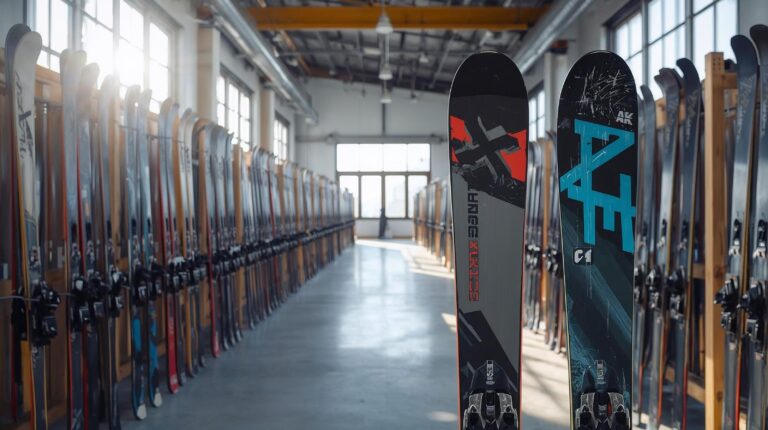
В Bansko Two dangerous extremes are often encountered among entrepreneurs. Some buy the cheapest “blown” skis from mass sales in Austria, which leads to dissatisfied customers and frequent repairs. Others “pour” huge budgets into expensive store models that cannot pay for themselves over their entire life cycle (3-5 years). The truth, as always, is in the balance and mathematics.
In this detailed guide to ski wardrobe equipment We will look at the financial logic behind purchasing equipment and how to structure your fleet for maximum return on investment (ROI) in the 2026 season.
1. The Golden Rule: Rental vs. Retail Models
The first and most expensive mistake a novice ski owner makes is buying standard “retail” skis for rental. They look great in the window, but are too fragile for the harsh conditions of the rental business.
Why are Rental models more profitable?
- Thicker Edges: The standard edge is about 1.8 mm. Rental skis have edges that are 2.5 mm thick or more. This means they can go through the service machine twice as many times before they are completely “sanded”.
- Reinforced top sheet: The coating is made of scratch-resistant materials (often with a “snakeskin” texture). This protects the skate’s vision from the impacts of poles and bumps on the tails of the lift.
- Black/Dark base color: Rental skis almost always have a black base. It is easier to repair aesthetically with P-Tex and hides scratches much better than colored designer bases.
- Color coding: They often have a color code on the base or side that shows the size from a distance to make it easier for staff to search.
2. The Inventory Pyramid: The Right Mix for Bansko
Not all clients are the same. In Bansko, they come from absolute beginners (who don't differentiate between Atomic and Fischer) to demanding digital nomads and IT professionals who read reviews of the latest models. Your inventory should reflect this demographic.
Here is the ideal ratio (The Golden Mix) for an average wardrobe:
- 60% – Economy / Standard Class: (Beginners and intermediates). This is where you need strong, soft and “forgiving” skis. These are the “bread and butter” of the business. They have the lowest acquisition cost and are the fastest to go (often in a solid month).
- 30% – Premium / Performance Class: (Advanced). Harder skis, newer models (1-2 seasons old). You can ask for a higher price for them. Customers here feel the difference and are willing to pay for quality.
- 10% – VIP / Demo Class: (Experts and fans). Top models for the current season (2026). They serve for image and marketing. Although their ROI is lower (due to the high delivery price), their presence in the window attracts solvent customers, who often rent for their family.
3. New vs. Second Hand
Should you buy brand new skis directly from the importer or pre-owned ones from the Alps? Let's do the math with an ROI analysis.
| Inventory Type | Advantages | Disadvantages | Life Expectancy |
|---|---|---|---|
| Brand New | High rental price (VIP); Warranty; Image; No hidden defects. | High initial investment (€250-€400+ per pair). | 4-5 seasons (going down in grades). |
| Second Use (Ex-Rental) | Low price (€60-€120); Extremely fast payout. | Risk of “baked” (dead) base; Thinned edges; Broken automata. | 1-2 seasons. |
4. Shoes: The Critical Asset for Hygiene and Comfort
A tourist can ski with average skis and have fun, but if their shoes are killing them, their day is ruined. Shoes are the most common reason for complaints and refunds.
What to look for when buying shoes?
- Sanitary treatment: Look for models with antibacterial socks and easy access to remove the inner part. Investing in drying and disinfection systems is a must.
- GripWalk soles: This is the new standard in 2026. The soles are rounded and rubberized, which makes walking from the hotel to the lift much easier and safer. Customers appreciate it highly.
- Size color coding: Mandatory! For example: 26.5 is red, 27.5 is blue. This saves hundreds of staff hours during peak times.
5. Helmets: Safety is the new norm
10 years ago, helmets were an extra. Today, they are standard, especially for children. Your ski wardrobe equipment must include at least 80% helmet coverage per number of skis.
Important: Helmets have an expiration date! Even if they haven't been hit, UV rays and the weather degrade the material. Replace them every 3-5 years. A helmet that has been hit is immediately discarded – no compromises.
6. When to sell? (Exit Strategy)
Smart management means knowing when to “get rid” of an asset before it becomes a useless liability that takes up space.
The best time to sell old inventory in Bansko is in end of February or beginning of March. Then there are many Bulgarian tourists in the resort who want to buy their own skis "on the sly" for next year.
Pricing when selling used:
- Economy class skis that have fully paid for themselves from rentals can be sold for 80-120 BGN. This is a net profit (100% margin), which directly finances the purchase of new models or covers the rental for the summer.
- If you wait until May, the market dies and you will have to store the equipment all summer (storage rental cost), and its price will drop even more.
Conclusion: Inventory is a living organism
Don't treat skis like furniture. They depreciate, age morally and require constant care. A good mix of sturdy Economy models and shiny VIP skis is the key to covering the entire spectrum of tourists in Bansko - from students on a budget to businessmen looking for the best experience.
Remember: Every rack that sits in the warehouse and doesn't bring in money is a waste. Optimize your inventory based on actual demand, not how much shelf space you have.

 English (UK)