


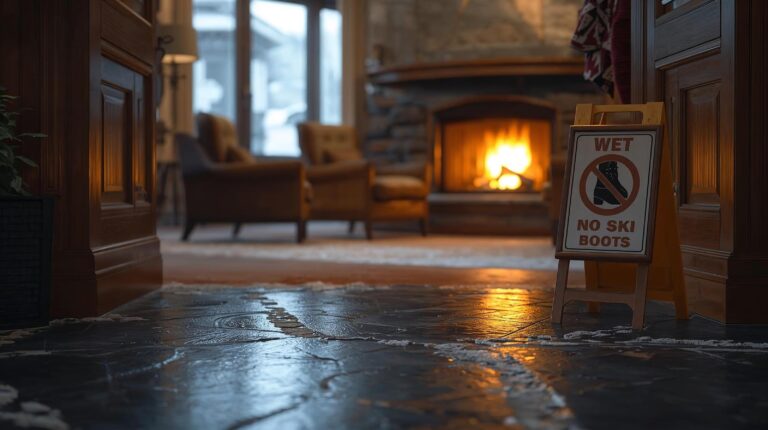
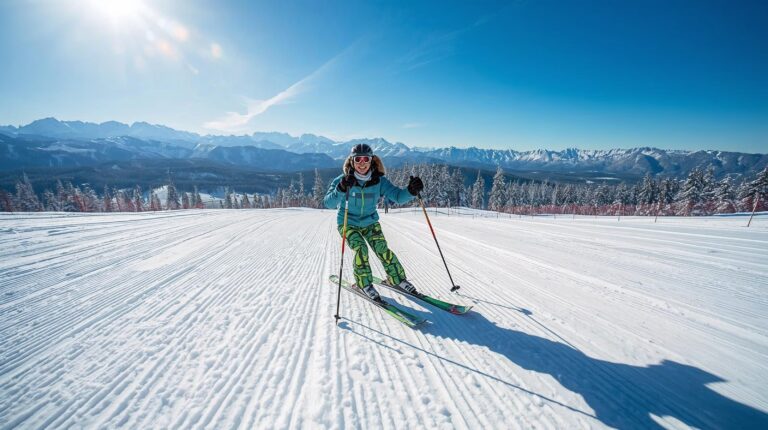
Imagine the perfect winter day under Todorka Peak. The sun is shining, the slopes of “The plateau”" are perfectly processed, and you have just made your last descent down "Tomba" for the day. The adrenaline is still holding you, but the fatigue is starting to weigh on your legs. You dream of only one thing - hot tea, hot wine or a hearty dinner in a cozy tavern or the hotel lobby. You walk confidently towards the entrance, but there you are greeted by the well-known, but often irritating sign: red circle with a crossed out ski boot.
Many tourists in Bansko accept this limitation with annoyance. “Why do I have to change my shoes right now, when I’m the most tired?” or “What will happen if I walk five meters to the reception?”.
The truth is, this ban is not a whim of hoteliers, nor an attempt to complicate the lives of skiers. On the contrary, it exists to ensure your safety and the comfort of all guests at the resort. Here are four hidden reasons why heavy ski boots have no place in the lobby or restaurant.
1. The “Bambi on Ice” Effect: A Matter of Personal Safety
Attention:
Statistics in mountain resorts show that a significant portion of injuries do not occur on the slopes, but rather in the common areas of hotels - slips in toilets, on staircases, or in lobby bars.
This is the most serious reason why managers are uncompromising. Ski boots are designed for one specific purpose - to be fastened to ski machines and to control the skis on snow. They are made of hard plastic (polyurethane) that has almost no adhesion to smooth interior surfaces.
When you come in from outside, there is inevitably snow and ice on your toes. The moment you step into the warm foyer, that snow melts instantly. The combination of hard plastic sole and wet terracotta, marble or granite tiles turns the floor into a real ice rink. One fall with ski boots on a hard floor can lead to serious fractures that will ruin not only your vacation, but also months of recovery. Hotels enforce the ban to protect you from yourself.
2. “Terminator” for flooring
Let’s be honest – ski boots are heavy, massive and rough. They act like abrasive machines on any floor covering that is not a specialized industrial rubber. Maintaining the interior of hotels in Bansko is an expensive investment, and when the flooring deteriorates quickly, this inevitably leads to an increase in the price of accommodation.
| Surface type / Object | Impact of ski boots |
|---|---|
| Wood and natural parquet | Hard plastic, combined with small pebbles (stuck in the parking lot grabbers), leaves deep, irreparable scratches and gouges. |
| Carpets and rugs | The sharp edges of shoes and heavy walking (shuffling feet) can wear down and tear even the most durable hotel carpet in a matter of weeks. |
| Furniture, walls and skirting boards | Walking with ski boots is wide and unstable. This leads to unintentional kicking and chipping off corners, ledges, and injuring the legs of tables and chairs. |
3. The puddles that no one likes
Even if you clean your shoes thoroughly before going inside, there is always snow left in the grooves of the soles and around the treads. In a warm room, it melts slowly but surely.
The result? If 50 people come in with ski boots for lunch, the restaurant floor turns into a lake of dirty water and mud. This is not only an eyesore, but it is also extremely unhygienic, especially in the dining areas. No one wants to sit at a table in a cozy Bansko tavern surrounded by puddles, or get their socks (if they are wearing normal shoes) wet by stepping in the melted snow of the previous visitor.
4. Noise pollution
A mountain vacation is associated with peace, quiet, and relaxation. However, ski boots are perhaps the noisiest shoes in the world. The specific heavy clank (the familiar “klum-klum-klum”) of the hard plastic on the floor can be heard throughout the building.
Imagine trying to take an afternoon nap in your first-floor room or reading a book by the fireplace, and “heavily armed” skiers constantly pass by you. In some of the most elite Austrian resorts, such as Ischgl, there are even municipal ordinances prohibiting walking in ski boots on the cobblestone streets late at night, precisely because of the noise that disturbs vacationers. In Bansko, the culture of vacation demands the same respect.
What is the right solution?
Most modern hotels and ski lockers in Bansko have thought about this inconvenience and offer easy alternatives:
- Use the ski locker: Almost every resort has a ski depot at the entrance or near the lift. Not only can you leave your boots there, but there are often also dryers (combs) that ensure that you put on dry and warm boots the next morning – something that won’t happen if you keep them in your room.
- Carry light shoes in your backpack: If you're planning to have lunch somewhere that's not directly on the ski slope, a pair of light sneakers in your backpack will make your break much more comfortable. Your feet will be grateful to be out of the "vice" for at least an hour.
Ultimately, the crossed-out ski boot sign is a sign of respect – for your safety, for cleanliness, and for the hard work of the hosts who take care of your experience in Bansko. So next time you see it, smile and enjoy the pleasure of putting on something soft and comfortable!



 English (UK)