


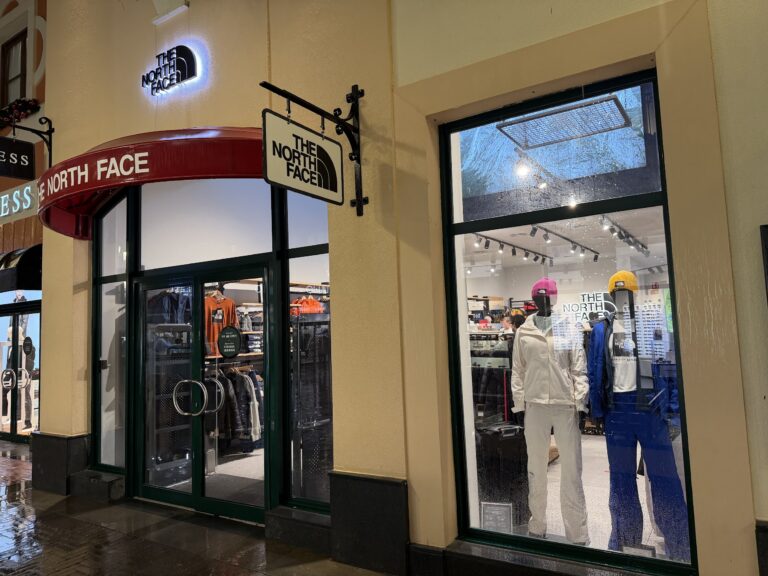
Important clarification: The brand combines innovative technologies such as FutureLight™, Gore-Tex and insulation Heatseeker with an affordable price and proven reliability. This guide examines the brand's offerings through both the lens of Bansko ski area, and from the point of view of alpine tourism in Pirin.
Usage scenarios: Skiing in Bansko and winter hiking in Pirin
Scenario 1: Skiing adventures on the Tomba slope„
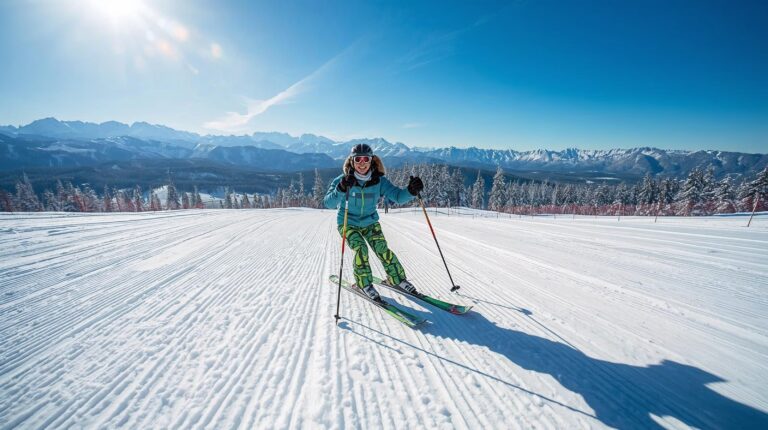
Imagine a winter morning in Bansko. The temperature on the slopes is -8°C, there is a gusty wind. You need The North Face equipment, which works for leisurely riding, but also for going deeper snow. The brand's equipment is affordable and does not require expert knowledge to benefit from its protection.
Scenario 2: Alpine tourism to the peaks of Pirin
You are standing at the foot of Pirin at -10°C, planning a climb. Up there, temperatures drop to -20°C. This is where specialized winter hiking boots and a layered clothing system, designed specifically for extreme alpine scenarios, come to the rescue.
The region: Bansko and Pirin as a winter arena
Bansko is located at 925 m. above sea level below Mount Todorka. The region offers modern lifts, groomed slopes, but also serious challenges for climbers. Pirin is the second highest mountain in Bulgaria (Vihren Peak – 2914 m) and the conditions here are often harsher than they appear from the resort.
- Low parts (800–1500 m): Accessible for winter hiking with proper footwear.
- Middle parts (1500–2000 m): They require serious alpine equipment.
- High parts (above 2000 m): Extreme mountaineering terrain.
History and evolution of The North Face
Founded in 1966 in San Francisco by Douglas Tompkins and Kenneth Klopp, the brand began as a small backpack shop. The name is a reference to the mountain's north face - the most challenging side, a symbol of the commitment to extreme performance.
Key stages in innovation:
- The 80s: Pioneering waterproof technologies.
- The 90s: Introducing the DryVent™ membrane.
- 2005: Development of ThermoBall™ synthetic insulation.
- 2010-them: Breakthrough with the FutureLight™ nano-membrane.
- 2025-2026: Focus on Gore-Tex Pro and lightweight alpine clothing.
Product Catalog: The Best The North Face Gear
1. Ski jackets
The brand offers specialized lines for every style:
- Chakal jacket (€280–€350): A popular resort choice with DryVent™ membrane and Heatseeker insulation.
- Freedom Jacket (€150–€200): A budget option for beginners.
- Freethinker FutureLight Jacket (€400–€500): Specifically for ski mountaineering and ski touring with exceptional breathability.
- Summit Breithorn FutureLight Jacket (€450–€550): Highest alpine class protection.
2. Ski pants
- Freedom Bib (€200–€250): Popular overalls for all-day riding.
- Dawnstrike Gore-Tex (€340–€380): Technical pants for active riding and touring.
- Summit Tsirku Gore-Tex Pro Bib (€630–€700): Maximum protection for professionals.
3. Winter hiking boots
One of the strongest segments of The North Face equipment:
- Summit Breithorn FutureLight (€350–€450): Lightweight (430 g), crampon compatible (C2), ideal for active mountaineering.
- Chilkat 400 II (€200–€280): Extreme cold specialist (rated to -40°C), with 400g Heatseeker insulation.
Technologies that change the rules
Investments in own developments make The North Face equipment unique:
- DryVent™: Reliable three-layer membrane with taped seams.
- FutureLight™: Nano-technology that offers unparalleled breathability while being softer than standard hardshells.
- Gore-Tex Pro: The most durable version of Gore-Tex for professional use.
- ThermoBall™: Synthetic down that shines even when wet.
Price guide and comparison (2026)
| Category | Min. price | Max price |
|---|---|---|
| Ski jackets (DryVent) | €150 | €350 |
| Ski jackets (Technical) | €350 | €550 |
| Winter shoes | €200 | €450 |
Advantages and disadvantages of using in Pirin
✅ Advantages:
- Complete ski systems (jacket, pants, gloves).
- Affordable prices compared to luxury brands like Moncler.
- Extremely warm shoes (Chilkat series).
- FutureLight is a leader in breathability.
❌ Disadvantages:
- It is not as light as Arc'teryx for mountaineering.
- Base models have fewer extras.
- Reduced sizes in some shoe models.
How to buy The North Face gear in Bulgaria?
- Locally in Bansko: Possible, but with limited selection and higher prices.
- Bergfreunde.eu (Recommended): Huge selection and frequent discounts up to 40%.
- Amazon.de: Fast delivery (2-5 days) and competitive prices.
- SportOkay.com: An excellent choice for specialized alpine equipment.
Recommended configuration for Bansko
For skiing in the resort:
- Chakal Jacket (€320) + Freedom Overalls (€230) + Gloves (€70). Total: ~€620.
For winter tourism in Pirin:
- Chilkat 400 II boots (€250) + FutureLight Shell (€300) + Thermal socks (€30). Total: ~€580.
Conclusion: Why choose The North Face?
When you need a practical, reliable winter The North Face equipment for both skiing and hiking in Bansko and Pirin – the brand delivers solid performance at affordable prices. It is the universal choice for mountain enthusiasts who value quality proven in real conditions.
Do you want to check the current conditions in the mountains?

 English (UK)