


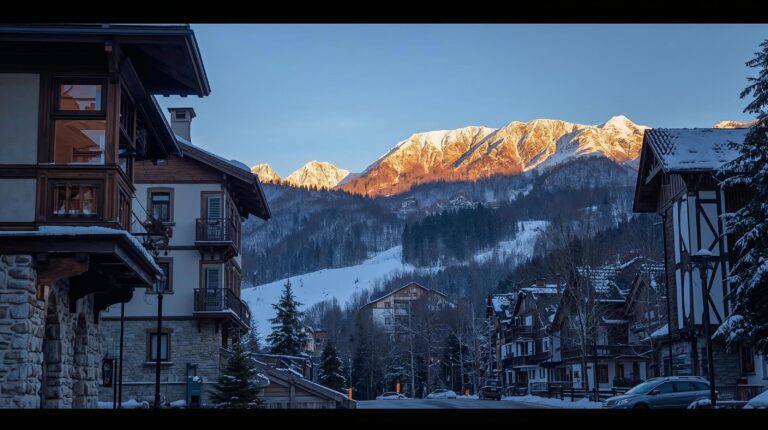
The Real Estate Market: The End of Speculation and a New Beginning for Bansko
After the severe impact of the global financial crisis (2008-2010 2014 was a historic turning point for the real estate market in the region. While prices in major cities such as Sofia and Plovdiv skyrocketed, Bansko remained a distinctly „buyer’s market.“ The average price of around 530 EUR/sq m marked the bottom of the market – a drop of over 58% compared to the speculative peak in 2008.
However, this new price threshold played an extremely important sanitary role for the long-term transformation of Bansko:
- Clearing from speculators: The market has been freed from buyers seeking a quick (and often unrealistic) profit.
- Appearance of Relocators: The first serious wave of people seeking permanent relocation (precursors to today's digital nomads).
- Safe investments: Foreign and local buyers began acquiring properties for the purpose of a quality lifestyle and long-term capital preservation.
Thus, the market is "healing", passing into the hands of responsible owners who invest in the maintenance and development of their properties and complexes.
The invisible infrastructure revolution
The most significant investment, although often hidden from the eyes of the average tourist, was the final completion of the city's water cycle. The value of this grandiose project exceeded 42 million euros, financed mainly through European funds under the OP "Environment".
| Project / Activity | Main benefits for the region |
|---|---|
| New Wastewater Treatment Plant (WWTP) | Solve the critical problem of congestion during the peak winter season and protect the waters of the Glazne River. |
| Replacing the water supply network | Drastic reduction of drinking water losses and improvement of pressure in the upper areas of the city. |
| Modernization of the urban environment | New architectural interventions combining wooden elements with modern design (e.g. the area around the ice rink). |
This step was key not only for the comfort of hundreds of thousands of tourists, but also for the delicate ecological balance at the foot of Pirin National Park.
Transition from "budget" to "premium" tourism
The service sector has made a sharp turn towards high quality. If before that the resort attracted mainly tourists looking for cheap alcohol and low prices, 2014 brought Bansko new, uncompromising five-star standards. This transformation of Bansko is evident in specific objects and services.
The expansion of the Lucky Bansko Hotel, the opening of the innovative outdoor aqua complex and the luxurious Italian restaurant Leonardo have raised the bar for all competitors. The emergence of modern complexes such as Le Passage and culinary innovations such as La Skara and 180 Degrees have clearly shown that the modern tourist in Bansko is now looking for a gourmet experience, impeccable service and overall quality, and not just cheap accommodation.
Sports diplomacy and elite track events
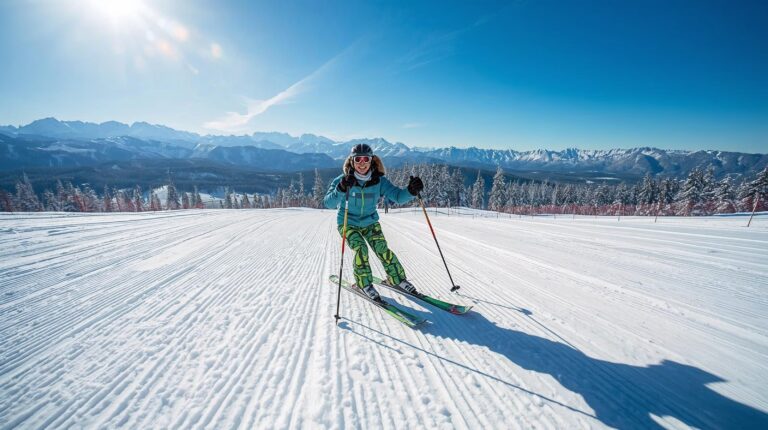
In terms of sports, Bansko has once again proven that it has the logistical and organizational capacity to host events of the highest world rank. Hosting the European Alpine Skiing Cup in March 2014 placed the resort firmly and steadily on the elite calendar of the International Ski Federation (FIS).
The third place of the talented Bulgarian Nikola Chongarov in the slalom brought an additional huge emotional charge to the event, turning it into an occasion for true national pride. In parallel with these successes, the development of the ski area continued to be the subject of a delicate and important social balance - between the investment intentions of the concessionaire for the modernization of the lift facilities and the strict environmental requirements of UNESCO for nature conservation.
Cultural flourishing: Bansko outside the ski season
The summer of 2014 marked the moment when it became clear that Bansko is a vibrant, vibrant city even outside the active ski season. The city invested serious resources in its cultural calendar, which led to remarkable results.
The International Jazz Festival, which attracted world stars such as Candy Dulfer, as well as the sophisticated Bansko Opera Fest, transformed the central Nikola Vaptsarov Square into a world-class open-air stage. These events played the role of an extremely powerful magnet for summer tourism, managing to fill hotel bases during the traditionally weakest and most challenging month for mountain resorts – August.
Conclusion: The Legacy of a Key Year
Undoubtedly, 2014 transformed Bansko from a huge construction site with an uncertain fate into a mature, modern European resort with a perfectly functioning infrastructure and a clear long-term vision. The successful absorption of EU funds (over 1000 BGN per capita of the local population) and the categorical stabilization of the property market created the sustainable foundation for the economic profile that the town enjoys and builds on today.
Do you want to learn more about the opportunities in Bansko?
Discover the latest trends in real estate and tourism in the region.

 English (UK)