


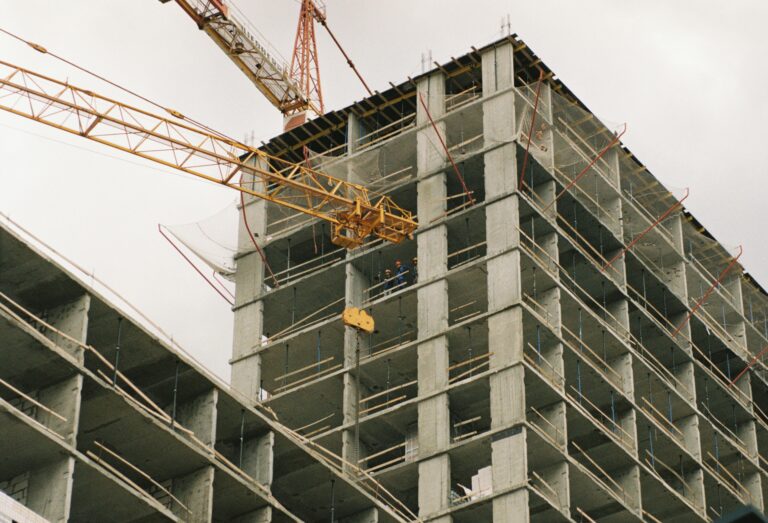
Bansko has long established itself as the winter capital of the Balkans, attracting investors and tourists from all over the world. But behind the shiny facade of modern hotels and slopes, the town has long hidden a darker side – dozens of unfinished buildings, monuments to a bygone construction enthusiasm.
Today, however, the "concrete skeletons" are getting a new lease on life. How did it get to this point and can Bansko finally clean up its appearance?
Chronicle of a foretold collapse
At the beginning of the 21st century, Bansko experienced a real construction boom. The lack of a long-term vision and strategy led to the chaotic issuance of building permits. Hundreds of aparthotels and holiday complexes appeared, and the bed capacity quickly exceeded the actual capacity of the ski area.
The bubble burst with the global financial crisis of 2008–2009. The reasons for the mass bankruptcies and shutdowns were complex:
- Economic shock: A sharp drop in demand, inability to service loans and subsequent intervention by bailiffs.
- Administrative trap: Expiry of building permits and cumbersome bureaucratic procedures left many buildings in a legal vacuum.
- Oversaturation: Oversupply crashed prices and drove out speculative capital.
For years, the unfinished structures, some of which were overgrown with vegetation or fell victim to looting, marred the landscape and tarnished the resort's image.
New trend: Renaissance instead of ruin
In recent years, the situation in Bansko has changed radically. There has been a massive purchase and completion of old, abandoned buildings. This turnaround is due to several key factors:
- Restrictions for new construction: The city's new Master Plan (GMP) imposed strict restrictions on the commencement of new buildings. This automatically turned the existing "skeletons" into a valuable asset.
- Property boom: The activation of the property market in Bulgaria has brought back the interest of investors, who now prefer to renovate and finish instead of building from scratch.
- Will to change: Local authorities and businesses realized that sustainable development is impossible without solving the problem of visual pollution.
A look into the future
The mayor of Bansko expresses optimism that if the current trend continues, within 2 to 3 years the problem with unfinished buildings will be a thing of the past.
This transformation brings a double benefit. On the one hand, the city improves its aesthetic appearance and its tourism product. On the other hand, the completion of the buildings creates new jobs and stimulates the economy, turning "dead capital" into a working business.
The history of construction in Bansko is a lesson in the risks of uncontrolled growth. Today, however, the resort seems to have learned this lesson and is confidently moving towards a more mature stage of development – a balance between nature, tourism and urbanization.

 English (UK)