

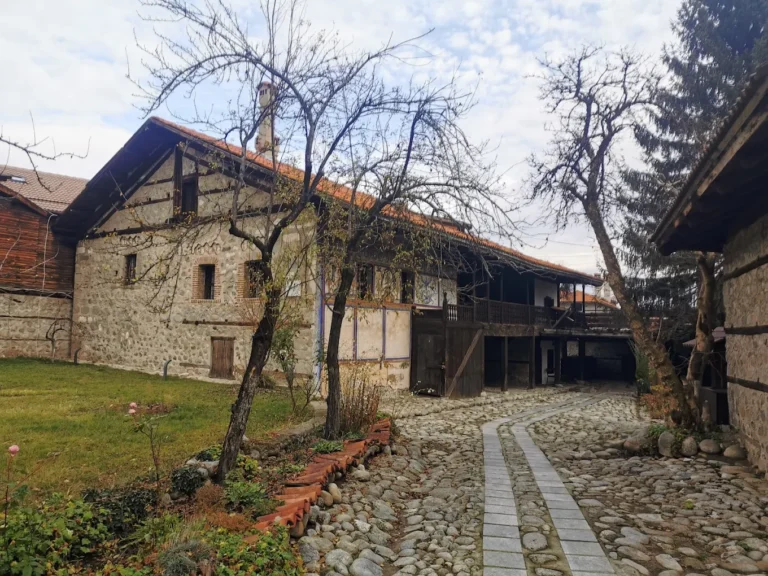
Among the old cobblestone streets of Bansko stands one of the city's most valuable architectural and cultural landmarks - Velyanova's House. It is a rare example of a preserved home of a wealthy Bansko family from the 18th–19th centuries, turned into a museum telling the history, lifestyle and creative spirit of Bulgaria during the Bulgarian National Revival.
History of the museum
Velyanova house was owned by the famous icon painter Toma Velyanov - a prominent representative of the Bansko art school. Built in the second half of the 18th century, it was a gift from the local community for his merits as an artist and participant in the decoration of local churches. In 1967, Velyanov's house was declared a cultural monument of national importance and was later turned into a museum, open to visitors wishing to feel the spirit of old Bansko.
Collections and exhibits
The museum houses original furniture, carvings, frescoes and household items from the weather of the Bulgarian National Revival. Among the most impressive exhibits are the masterful mural ornaments and decorative ceilings, the work of Velyanov himself, as well as a number of objects from the everyday life of the wealthy people of Banska Bystrica. Also on display are tools related to his artistic work, as well as traditional fabrics, clothing and icons.
Architecture and atmosphere
The architecture of the Velyanova House combines the typical Bansko style – massive stone foundations, bay windows, wooden verandas and narrow windows that keep the heat in during the winter. The interior reveals the combination of practicality and elegance. The rooms are spacious, the walls are covered with frescoes and carvings, and the coziness of the fireplace and wooden floors creates a feeling of harmony and tranquility. The yard is small but romantic, with a stone fence and an old vine.
Interactive experiences
Visitors can immerse themselves in the era through multimedia presentations and virtual tours showcasing the history of Bansko and the art of icon painters. Museum curators often organize demonstrations of traditional crafts, as well as activities for children related to art and architecture.
Educational programs and initiatives
The museum offers a variety of educational programs aimed at schoolchildren, students and tourist groups. Lectures and workshops present topics such as Renaissance icon painting, woodcarving and Bansko culture. Trainings on restoration and preservation of cultural heritage are also conducted in partnership with cultural institutions.
Temporary exhibitions and events
In addition to the permanent exhibition, Velyanova House regularly presents temporary exhibitions dedicated to local artists, vintage photographs and thematic presentations of the Bansko School. During cultural events in the city, such as the Bansko Film Fest or the Bansko Opera Fest, the museum often hosts special art evenings and chamber music concerts.
Opening hours and tickets
The museum is open every day, usually from 9:00 to 17:00, although during the winter season the time may vary. The entrance fee is symbolic, and discounts are offered for schoolchildren, students and pensioners. Organized groups can request a guide in Bulgarian, English or Russian.
How to get to the museum
Velyanova House is located in the central part of Bansko, at 5 Velyanova Street. It can be reached on foot from Nikola Vaptsarov Square in about five minutes.
Shop and coffee area
The museum's small souvenir shop sells handmade items, icon copies, art books, and themed gifts. Nearby is a cozy café where visitors can enjoy drinks and local sweets while discussing their impressions.
Why visit this particular museum?
Velyanova House is not just a museum – it is a living testament to the era in which Bulgaria was awakening spiritually and culturally. A visit to it offers an authentic journey through time, an encounter with the art, traditions and craftsmanship that have built the unique spirit of Bansko. It is a place where history comes alive among colors, wood and stone – a must-see experience for anyone who loves Bulgarian heritage.

 English (UK)