


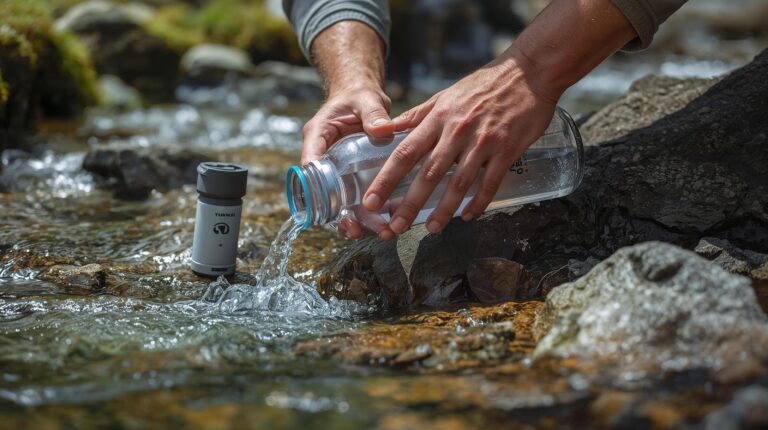
The old mountain wisdom says: “"A person can survive 3 weeks without food, but only 3 days without water."” In the mountains, however, these times are drastically shortened. The fatigue you feel in the afternoon on the way to Vihren hut is often not from muscle weakness, but from dehydration.
Pirin is a specific mountain. Unlike Rila, which is full of lakes and streams, Pirin is karst (marble). The water here soaks into the rocks like a sponge and disappears into the depths. In this ninth part of our series, we will look at how to plan your water so that you are not left “dry” just when it is most difficult.
The Karst Trap: Where does the water disappear to?
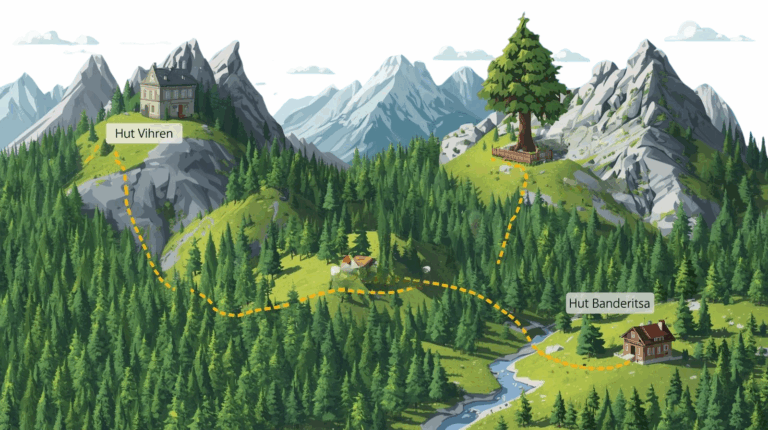
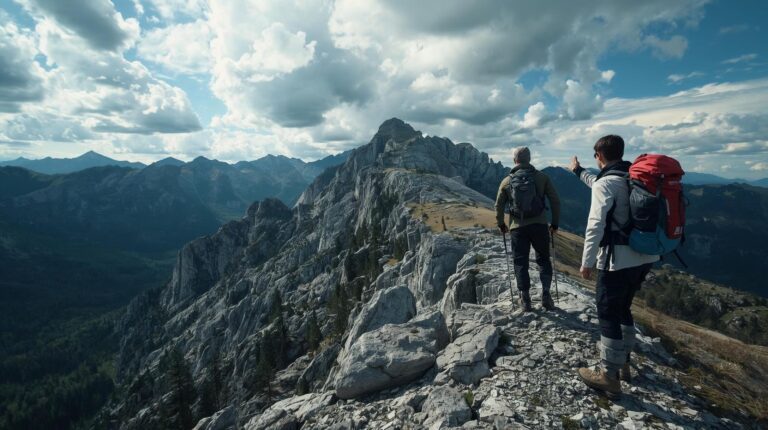
If you are planning a hike along the main karst ridge (from Vihren Peak, through The horse, next to Yavorov hut), you should know one thing: there is no water there. There are no fountains, no streams, no lakes. Everything you drink you have to carry on your back.
For a serious summer hike in Pirin (6-8 hours), the minimum is 2 liters of water per person. If the day is hot, prepare 3 liters. Yes, it is heavy, but dehydration leads to a loss of coordination, which on narrow edges is dangerous.
Bottle or Mech (CamelBak)?
This is the eternal debate among tourists. Both systems have a place in your backpack.
| System | Advantages | Disadvantages |
|---|---|---|
| Hydration system (Mex/CamelBak) | You drink on the go without stopping. The hose is next to your mouth, ensuring constant hydration. | It's hard to fill up if the backpack is full. You can't see how much water you have left. It freezes in the winter. |
| Bottle (Plastic/Metal) | Reliable, cheap, easy to fill from streams. You know exactly how much you have. | You have to stop and take off the backpack or bend over to get it out of the side pocket. |
The myth of “crystal clear” water
Many people believe that if the water flows in the mountains, it is clean. This is risky. In Pirin, there are grazing herds (cows, sheep, wild goats) even at high altitudes. Animal feces can contaminate the streams with bacteria (E. coli) or parasites (Giardia), which cause severe stomach problems.
How can we protect ourselves?
- Water filter: Small filters (like Sawyer or Lifestraw) weigh 50 grams and allow you to safely drink from almost any puddle. A must-have accessory for long hikes.
- Tablets: Cheap option (chlorine or iodine based). They kill everything, but you have to wait 30 minutes and they slightly change the taste of the water.
- Cooking: The safest method, but it requires time and fuel.
Don't just drink water! (Electrolytes)
When you sweat, you lose not only water, but also salts (sodium, potassium, magnesium). If you only drink pure water in the mountains in large quantities, you “wash” salts out of your body. The result is muscle cramps and fatigue.
Winter Delusion: “I’m going to eat snow”
Never, under any circumstances, eat snow to quench your thirst! Snow is mostly made up of air and ice. To melt it, your body expends a huge amount of energy, which leads to rapid cooling and the risk of hypothermia. Furthermore, melted snow is distilled water (without minerals) and does not hydrate well. Always melt it on the stove and add a tea bag or broth.
Water weighs you down, but without it the mountain becomes hostile. Plan your route around the water fountains, carry a filter, and never underestimate thirst.
 English (UK)