

Wine is more than just a drink – it is an experience, history and science, all in one glass. In the heart of Pirin, where traditions are alive, the ability to appreciate the good wine is mandatory.
Often people in Bansko and the region worry that they don't understand enough about wine when they visit the local taverns or wine shops. The truth is, you don't have to be a certified sommelier to appreciate the nuances of a good Wide Melnik vine or dense Mavrud. The secret lies in slowing down the moment and using the senses properly.
In this guide, we will look at the classic method for wine tasting, known as „Look, Twist, Smell, Taste.“ By following these steps, you will turn every sip into a true ritual.
🍷 Why is ritual important?
The tasting process isn't just a snobbish fad. It prepares your brain for the taste. When you analyze the color and aroma, you're sending signals to your taste buds about what to expect, which makes the sipping itself a much more fulfilling experience.
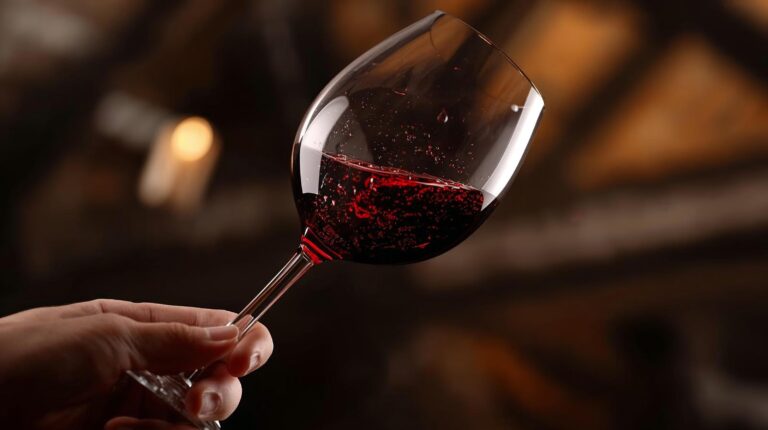
Step 1: Color (See) – Eyes buy first
Before you sip, take a moment to examine the wine. In the well-lit restaurants of Bansko, this is easy. The color is the first indicator of the quality and condition of the drink.
- How to do it: Tilt the glass at about 45 degrees against a white surface (napkin, tablecloth, or sheet of paper).
- Intensity: Is the wine pale and transparent, or rich and opaque? Richer red wines tend to have higher tannin content.
- Nuance and age: White wines darken with age (from yellow-greenish to amber), while red wines lighten (from deep purple to brick-brown).
Tears of wine: When wine flows down the sides of the glass, it forms what are called „tears“ or „feet.“ Slower, thicker tears usually indicate higher alcohol or residual sugar content.
Step 2: Shake (Swirl) – Wake up the wine
This is the movement you often see in movies, but it's not just for show. The shaking is a critical moment in any wine tasting. It increases the surface area of the liquid and allows oxygen to enter it.
Technique for beginners: If you're worried about spilling your expensive wine on the tablecloth, leave the base of the glass on the table. Grab a stool (always hold the glass by the stool so you don't warm the wine with your palm) and make a few quick, small circular motions.
Step 3: Aroma (Smell) – The nose knows everything
Did you know that the human nose can distinguish thousands of aromas, while the tongue only recognizes 5 basic tastes? Most of what we call the „taste“ of wine is actually its aromatic profile.
Raise the glass to your nose immediately after shaking and take a deep breath. Try to detect the three levels of aromas:
- Primary aromas: These are the aromas from the grapes themselves (fruits, herbs, flowers). For example, the typical for the region Melnik 55 often carries notes of cherry and berries.
- Secondary aromas: They come from fermentation (bread, beer, cream).
- Tertiary aromas: Result of aging in barrels or bottles (vanilla, roasted nuts, leather, tobacco).
Step 4: Taste (Try) – The Final Impression
It's finally time to take a sip. But don't be in a rush to swallow right away. Take a small sip and spread it all over your mouth, as if you're "chewing" the wine. This ensures that the liquid touches all areas of your tongue.
| Characteristics | What to look for? |
|---|---|
| Sweetness | Do you feel sugar on the tip of your tongue? Most red wines are dry, but the fruity taste can mimic sweetness. |
| Acidity | Does the wine make your mouth water (saliva)? High acidity means freshness and aging potential. |
| Tannins | Do you feel a dryness on your gums, similar to strong black tea? Tannins come from grape skins and oak barrels. |
| Body | What is the texture? Light as water (light body) or thick as whole milk (full body)? |
What is the right temperature?
Common homework mistake wine tasting is the wrong temperature. If the red wine is too warm, the alcohol overpowers the flavors. If the white is too cold, the flavors are “locked up.”.
💡 Expert advice:
- Full-bodied red wines (Cabernet, Mavrud): 16-18°C
- Light red wines (Pinot Noir, Gamay): 12-14°C
- White wines and Rosé: 8-10°C
- Sparkling wines: 5-7°C
Regional accent: What to taste in Bansko?
Located near the Struma Valley, Bansko is the perfect starting point for tasting unique Bulgarian varieties. When in the area, be sure to look for the following wines:
- Wide Melnik vine: An endemic variety that grows only in southwestern Bulgaria. It is characterized by spicy notes, tobacco and leather.
- Early Melnik vine (Melnik 55): The more modern cousin of the Shirokata Melnishka. A fruitier, juicier and more affordable wine.
- Keratsuda: A white grape variety, typical of the Kresna region, which produces light and fresh wines.
Conclusion
The next time the waiter at a Bansko tavern pours you a little wine to “sample,” don’t just nod out of courtesy. Swirl the glass, take a deep breath, and discover the story within. Tasting is a subjective experience, and there is no wrong answer – the best wine is the one you like the most.
Cheers!


 English (UK)