

Specificity of the climate in Pirin and Bansko
The winter season in Bansko (from December to the end of March) is dynamic. The average daily temperatures in the city are around 7°C, but in the high mountains the situation is radically different. On Banderishka Polyana. and the Plateau average values are around -3°C, and in January, with Arctic fronts, temperatures can drop to -18°C.
The humidity in the region is often high, which increases the feeling of cold, and the wind on the ridges (especially around Todorka Peak) can turn even the sunniest day into an ordeal if you don't have the right gear. ski equipment.
The Three-Layer System: The Secret of the Professionals
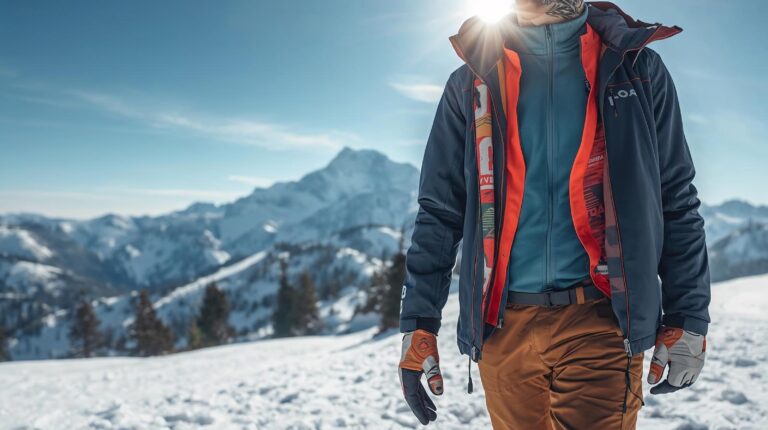
Forget about thick and heavy coats. The modern dressing strategy in Pirin is based on the three-layer principle, which allows for maximum flexibility and thermoregulation.
1. Base Layer (Thermal Underwear) – Your Second Skin
The role of this layer is not just to keep you warm, but to manage moisture. When you're actively moving, your body sweats. If you're left with a cotton t-shirt, it will absorb the sweat, weigh you down, and fatally chill you when the lift first stops.
- Merino wool: The best choice for Bansko. Warm even when wet and has natural antibacterial properties.
- Synthetic fabrics: Polyester and polypropylene that dry in minutes. Ideal for high-intensity riding.
2. Middle layer (Insulation) – The heat accumulator
This layer traps the warm air emitted by the body and holds it in its structure. The most common type of layer is a classic fleece or a lightweight jacket with synthetic or natural down.
PRO TIP: For skiing in Bansko, it is highly recommended that the mid-layer has a zipper. This allows for quick ventilation while waiting in line for the gondola lift or enjoying lunch on the Shiligarnika.
3. Outer layer (Membrane) – The shield against Pirin
Your jacket should be a barrier against wind and snow, but also allow moisture to escape. Look for labels with parameters such as 10,000 mm water column and 10,000 g breathability.
| Material | Advantages | Suitable for… |
|---|---|---|
| Merino wool | Thermoregulation, odor-free | All-day riding |
| Gore-Tex / Membrane | 100% wind and snow protection | Harsh conditions on the Plateau |
| Synthetic down | Lightness and compactness | Cold January days |
Essential accessories for complete protection
Often, the small details determine whether you spend the whole day on the slopes or head back to the hotel by lunchtime. Here are some things to keep in mind:
- Hands: Invest in gloves with a Gore-Tex membrane. If you suffer from bad dew, choose the “paw” type – they retain heat more effectively.
- Head and neck: About 30% of heat is lost through the head. A helmet is mandatory not only for safety but also for insulation. A multifunctional scarf (buff) protects the face from “burning” by the wind.
- Socks: Only one pair of specialized ski socks! Wearing two pairs will only worsen blood circulation and your feet will freeze faster.
The Golden Rules of the Locals in Bansko
1. Checking webcams: Before you get dressed, check out the cameras on the Plateau and Banderishka Polyana. Weather It may be spring in the city, but a storm may be raging above.
2. Backpack flexibility: Always carry a spare base layer. If you sweat a lot and then decide to have lunch outdoors, a change of clothes will save you from catching a cold.
3. Sun protection: The Pirin sun is extremely strong. A high factor (SPF 50) is mandatory for the face, even on cloudy days.
Ski equipment maintenance
For your membrane to work properly, it needs to be clean. The pores of the jacket become clogged with oil and sweat, which reduces breathability. Wash your gear only with specialized membrane detergents and never use fabric softener!
Conclusion
The investment in quality ski equipment in Bansko pays off many times over with comfort, health and more time on the slopes. Bansko offers incredible conditions, but Pirin is a mountain that demands respect. Be prepared, dress in layers and enjoy the magic of the white slopes!