
Why was 2014 pivotal?
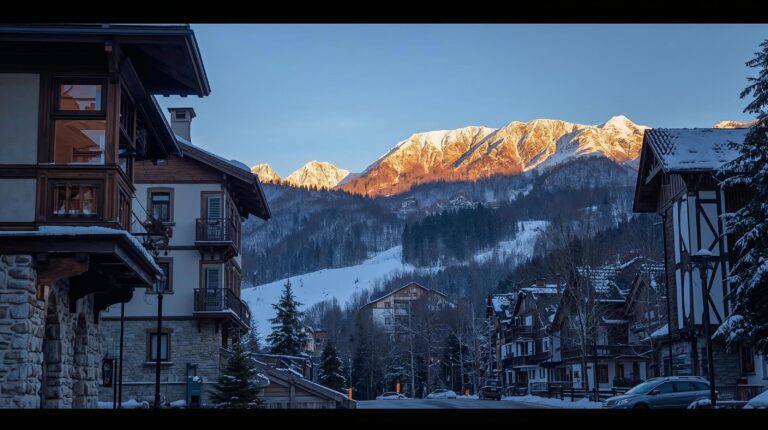
This was the year in which Bansko "grew up" - from a cheap alternative to the Alps to a destination with five-star service, modern treatment facilities and a global cultural calendar.
Real Estate Market Dynamics: The End of the Speculative Bubble
The real estate market in Bansko went through its most difficult, but also most necessary, transition in 2014. After the bubble burst in 2008, the holiday property sector finally bottomed out, preparing for a new type of investment sustainability. While Sofia and Varna were already showing growth, Bansko focused on „cleaning up“ the market.
Statistical indicators of the National Statistical Institute for 2014.
Data from the National Statistical Institute (NSI) confirm the stability. Blagoevgrad district, led by Bansko, maintained levels of around 750 BGN/sq m, making the region extremely attractive for buyers with long-term intentions.
| Quarter 2014. | Index compared to 2013. | Average price (BGN/sq m) |
|---|---|---|
| First Quarter (Q1) | 100.0% | 866.44 (National) |
| Second quarter (Q2) | 100.3% | 749.82 (Blagoevgrad) |
| Third quarter (Q3) | 100.4% | 868.77 (National) |
In March 2014, the average price of an apartment in Bansko was around 530 euros per sq m. This represented a decline of 58% from the peak in 2008, turning the city into a „buyer’s market.“.
Infrastructure Transformation of Bansko: The Water Cycle Project„
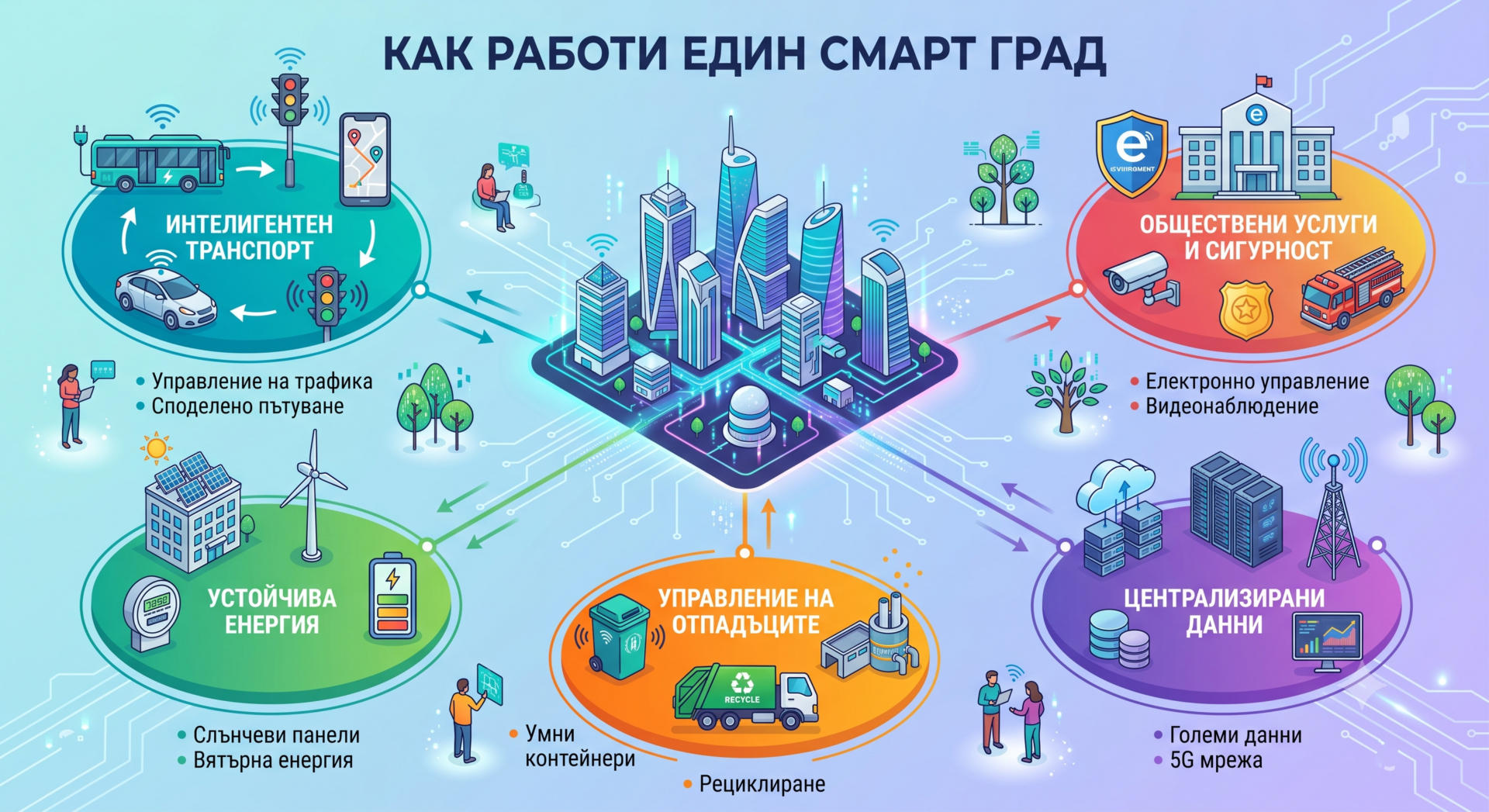
One of the most important pillars of this transformation was the official opening of the new Wastewater treatment plant (WWTP). The project, worth over €42 million and funded by the EU Cohesion Fund, solved decades-old network capacity problems.
- Environmental security: Ensuring the purity of the waters in Pirin National Park.
- Loss reduction: Rehabilitation of the water supply network in the old and new parts of the city.
- Increased comfort: Removal of odors and pollution along the Glazne River.
Modern architecture and urban environment
The transformation wasn't just underground. The renovation of the ice rink by OBIA studio became an example of contemporary design. By using a wooden pergola with a digitally generated design and glass showcases, Bansko showed that it can combine tradition with a futuristic aesthetic.
The New Luxury: Hotels and Gastronomy
In 2014, Bansko began to attract higher-class tourists. The opening of The Aqua Complex and the Italian Restaurant "Leonardo"„ at the Lucky Bansko Hotel set new standards for quality. The concept of "show cooking" and the five-star status of the complex were a clear signal that the city was moving away from the image of a budget destination.
Le Passage: Alpine spirit in Pirin
At the end of 2014, the entertainment complex also appeared The Passage. With venues like „The Hub“ for après-ski parties and fondue and raclette restaurants, the complex brought the atmosphere of Courchevel and St. Anton directly to Bansko.
World sports and culture under the open sky
The 2014 sports calendar was dominated by Men's European Ski Cup. The success of Bulgarian Nikola Chongarov, who took third place in the slalom, inspired the local community and proved that the slopes below Todorka Peak are world-class.
Jazz and Opera on the Square
The cultural transformation of Bansko reached its peak in the summer. The 17th International Jazz Festival Bansko brought together stars such as Candy Dulfer, and Bansko Opera Fest presented "Carmen" and "Don Carlo" under the starry sky of Pirin. These events turned Bansko into a destination 365 days a year.
UNESCO's challenges
Despite the successes, 2014 was also a year of serious discussions with UNESCO. The Doha Committee set strict requirements for a Strategic Environmental Assessment, recalling that the development of the ski area must go hand in hand with the protection of Pirin National Park.
Conclusion: The Legacy of a Key Year
2014 was a period of consolidation. The city managed to turn the property crisis into an opportunity, and European financing into modern infrastructure. Today, looking back, we see that it was then that the foundations of Bansko were laid as a modern, European resort that continues to develop.