



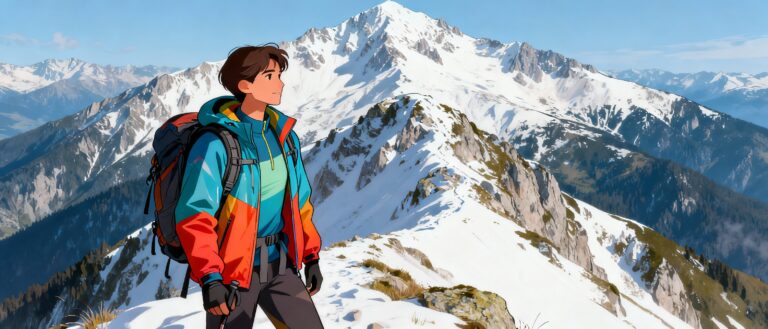
To stay dry and warm, you don't need to put on the thickest jacket you have. The secret is in the "layering system." It allows you to regulate your body temperature like a thermostat - you add or remove layers according to the load and the weather.
Layer 1: Base Layer (Second Skin)
This is the layer that is in direct contact with your skin. Its single and most important job is to to wick away moisture (sweat) away from the body.
Remember the rule: “Cotton kills”. A cotton T-shirt absorbs moisture and holds it in like a sponge. When you stop for a break and the wind blows, wet cotton sucks heat from your body 25 times faster than air. This is the shortest route to hypothermia.
What should we choose?
- Synthetics (Polyester): It dries instantly, is durable, and is cheaper. The downside is that it quickly starts to smell like sweat.
- Merino wool: A natural material that is warm even when wet and doesn't retain odors (you can wear it for days). It's more expensive and requires careful washing, but it's the gold standard for winter hiking.
Layer 2: Insulation layer (Heat)
The job of the midlayer is to trap the heat your body radiates and hold it in “air pockets” around you, while allowing moisture from the base layer to pass through.
Here is the classic fleece. It is lightweight, breathable, and warms very well. For colder weather or peak breaks, many mountaineers carry a lightweight “puff” (with natural goose down or synthetic filling). It compresses to the size of a grapefruit and doesn’t weigh you down in your pack, but it provides tremendous warmth when you stop moving.
Layer 3: Outer Layer (The Shield)
This is your armor against the elements – wind, rain and snow. The exterior mountain clothing It should keep water out, but allow sweat vapor to escape (breathability). If your jacket is “nylon” (like a 5 leva raincoat), you will boil in your own sweat in minutes.
Hardshell or Softshell?
| Jacket type | Features | When should we use it in Pirin? |
|---|---|---|
| Hardshell (Membrane) | 100% waterproof and windproof. No insulation. Noises when moving. | In heavy rain, storms, wet snow. This is the “emergency jacket” in your backpack. |
| Softshell | Soft, elastic, breathable. Protects against wind and light drizzle, but gets wet in a downpour. | For 90% from the time. Ideal for active walking in dry and windy weather. |
What about the pants?
Please, forget the jeans! Jeans are made of cotton, weigh a lot when wet, take hours to dry, and restrict your movement when climbing. Choose hiking pants made of synthetic fabric with elastane. Many models have zippers on the legs and can be worn as shorts – perfect for summer days when it’s cool in the morning and hot at noon.
Dressing properly is a matter of experience, but following the three-layer system is the best start. That way, you will be prepared for the vagaries of Pirin and enjoy the views instead of shivering from the cold.