

In 2017, the strategic development of Bansko entered its most turbulent, but also most successful phase. The city not only consolidated its position as a leading sports center in the Balkans, but also became the arena of a large-scale debate about the future of mountain tourism in Bulgaria. This period marked the transition from extensive growth to the search for a balance between international prestige and environmental sustainability.
Expert view: The decade of aggressive construction until 2017 created a disparity between the huge bed base and the capacity of the transport infrastructure. This knot tightened precisely in 2017, when sporting successes collided with administrative and environmental barriers.
Global trends and the strategic development of Bansko
To understand the scale of the events, we need to look at the strategy of the International Ski Federation (FIS). In 2017, the focus shifted to media influence and digitalization. Bansko, as part of the World Cup calendar, had to meet extremely high technological requirements for broadcasting, which stimulated investments in communication infrastructure.
| FIS Media Influence Index | Growth (Global) |
|---|---|
| Broadcast Time | +17% |
| Cumulative Audience | +84% |
| Total Media Impact | +88% |
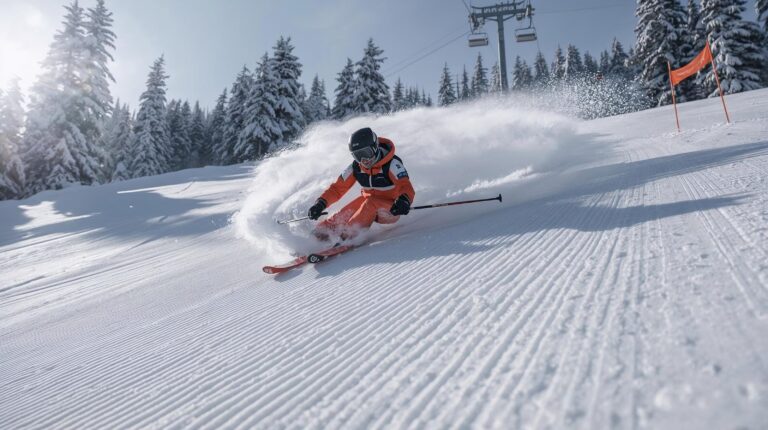
Snowboard World Cup 2017: The pinnacle of sporting prestige
In February 2017, Bansko became the world snowboarding capital. The „phenomenon Radoslav Yankov“ not only drew Bulgarians’ attention to the white slopes, but also demonstrated that the country could produce world-class athletes. This event was key to the development of Bansko as a destination that offers conditions identical to those in the Alps.
Sports results and technical excellence
The preparation of the parallel giant slalom course required millimetric precision. The recognition by the FIS for the quality of the slopes under Todorka Peak was the best advertisement for the resort. Radoslav Yankov finished second in one of the most dramatic races, which generated unprecedented media interest in Germany, Austria and Switzerland - key markets for the local business.
The infrastructure node and the case study of Pirin National Park„
In parallel with the sporting triumph, 2017 brought the debate about the second cable car line to a head. The huge queues in front of the starting station became a symbol of the infrastructure deficit. Decision No. 821 of the Council of Ministers of December 28, 2017 aimed to unblock this process, but it provoked a wave of environmental protests.
Legal change in the Management Plan
The change in the status of the zones in Pirin National Park was a turning point in the administrative development of Bansko:
- Zone IIa: Transition from a complete ban to a permit regime for the construction of lifts.
- Zone III: Expanding the possibilities for supporting sports infrastructure.
*This decision was later the subject of years of litigation, which highlighted the need for a broader public consensus.
Economic dynamics and the property market in 2017.
2017 was a period of „maturity“ for the real estate market. After years of stagnation, prices stabilized, and the profile of buyers changed – from speculative investors to people looking for a second home or a place to work remotely. This was also the year in which Bansko began to take shape as a „hub“ for digital nomads, which added new value to the development of Bansko outside the active ski season.
| Property type | Average price (EUR) | Price per sq m (EUR) |
|---|---|---|
| One-room apartment | 54,665 | 1,250 |
| Two-bedroom apartment | 80,875 | 1,250 |
| Three-room apartment | 120,000 | 1,218 |
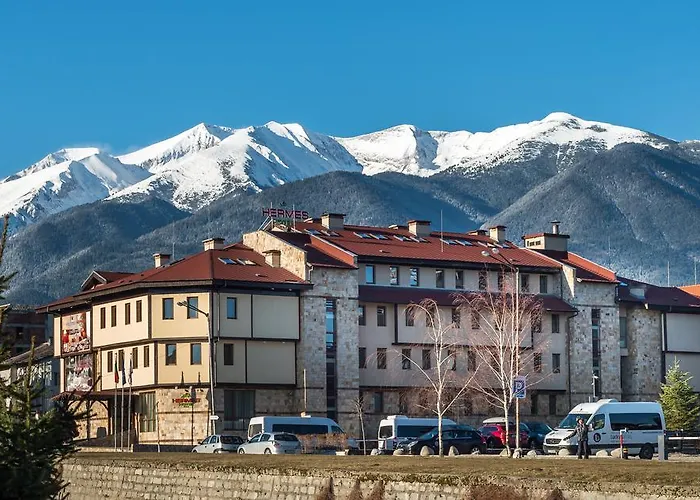
Hotel Hermes, Bansko – Coziness and quality
Cultural capital and a sustainable future
The strategic development of Bansko is not just sport and concrete. "Bansko Film Fest" 2017 proved that the city has a unique "soft power". The festival brought together the world's elite in mountaineering, showing that Pirin is much more than a ski slope - it is spirit and culture. The award for the film "Under the Skins", dedicated to local traditions, emphasized the importance of authentic heritage in attracting the high-paying tourist.
Conclusion: The Lessons of the Breakthrough Year 2017
Analyzing 2017, it is clear that Bansko has become a victim of its own success. The prestige of a world-class host requires not only perfect snow, but also an impeccable legal and environmental framework. The lessons of this year are fundamental: the development of Bansko is only possible through a dialogue between sport, business and nature. The city is no longer a local player, but a global factor, whose decisions resonate far beyond the borders of Bulgaria.
Learn more about the history and opportunities in Bansko here.
 English (UK)