


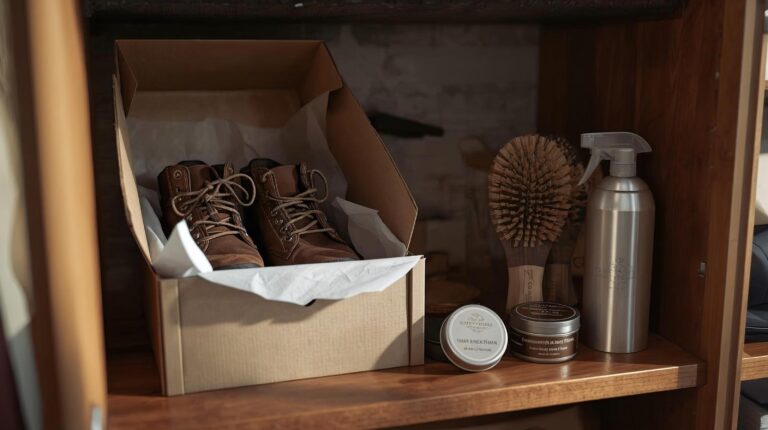
Important for mountaineers: Many people think that after a tough hike, they can simply put their shoes in the closet. In this guide, we’ll debunk the myths and give you the exact recipe for extending the life of your gear.
Why does Pirin granite require uncompromising shoe care?
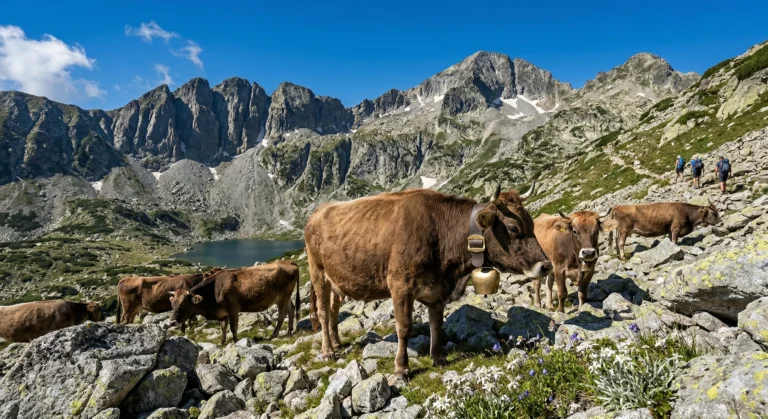
The Pirin granite is merciless. Walking along the moraines to Vihren Peak or The horse subjects the materials to extreme friction. When you add moisture, mud, and UV rays to this, the structure of the shoe begins to degrade. If you don't maintain the leather and membrane, you risk not only your comfort, but also your safety - a peeled sole in the middle of the Banderitsa circus is not an adventure, but a serious risk.
Step 1: Cleaning – The Golden Rule “Never in the Washing Machine!”
The first and most important step of care for mountain shoes is cleaning. The washing machine is a “death sentence” for them. The high spin speeds deform the structure, and aggressive washing powders literally break down the adhesives and fine waterproof membranes such as Gore-Tex or Sympatex.
The correct washing method:
- Remove the laces and insoles: They retain the most moisture and odors. Wash them separately (you can also put them in the washing machine).
- Mechanical cleaning: Remove any dried mud from the soles. Then proceed to a detailed cleaning with a soft brush and lukewarm water.
- Specialized preparations: Avoid household soaps or detergents as they dry out natural leather. Use cleansing gels (such as Nikwax or Grangers) that are pH balanced.
Step 2: Drying – Where do most people go wrong?
The fastest way to "kill" your expensive shoes is to put them next to a radiator, fireplace, or in direct sunlight on a terrace in Bansko. Extreme heat is the number one enemy of leather and adhesives.
| Factor | Effect of heat |
|---|---|
| Genuine leather | It shrinks, hardens, and begins to crack fatally. |
| Adhesives | “They "burn out", lose elasticity and the sole separates. |
| Membrane | It loses its breathable properties due to overheating. |
How to do it correctly: Dry at room temperature in a well-ventilated area. Stuff them with plain newspaper – it absorbs moisture perfectly. Change the paper every few hours. The process can take up to 48 hours, but this is the only surefire way.
Step 3: Nourishment and Impregnation
When shoes are clean and still slightly damp, they are most susceptible to treatment. The pores of the materials are open and ready to accept the protective layer.
For smooth leather (Full Grain)
Use a water-based wax or cream. This keeps the leather supple and prevents water absorption, which would otherwise make the shoe heavy and cold.
For suede, nubuck and synthetics
Wax is contraindicated for these fabrics – it glues the fine hairs together and compromises the shoe’s ability to „breathe.“ Use impregnating sprays that create the so-called “lotus effect” – water simply slides across the surface without penetrating the fibers.
The myth of vacuum bags
Many people use vacuum bags to save space, but NEVER Don't do this to your hiking boots. The vacuum crushes the cushioning foam in the ankle area and seals in residual micro-moisture, leading to mold and irreversible rotting of the inner layers.
The Professional Trap: What is hydrolysis?
A common problem with expensive brands such as Meindl, Lowa or Scarpa is the so-called. hydrolysis. This is a chemical process where the polyurethane (PU) in the midsole breaks down with the weather.
Paradoxically, shoes “die” faster if they sit in your closet for 3 years than if you wear them regularly. Movement and mechanical pressure push moisture out of the micropores of polyurethane. Therefore, even if you are not planning a hike, walk your shoes in the city park once every two months.
Long-term storage after the end of the season
If you have finished your winter climbs in Pirin and it is time to put away your shoes, follow this checklist:
- Clean and impregnate (as described above).
- Put them in their original place. cardboard box – it allows materials to breathe.
- Use wooden molds (shoe trees) or fill them with paper to keep their shape.
- Store in a dry place with a constant temperature (avoid damp basements or hot attics).
The correct one mountain boot care It will save you hundreds of leva and guarantee that when you step on the slippery rocks below Todorka, your equipment will work for you, not against you. Have a nice trip and see you in the mountains!



 English (UK)