

The ski season that refuted the skeptics in Bansko's history
At the beginning of 2016, the forecasts of economic analysts were more than gloomy. The severe financial crisis in Greece and the imposed capital controls in our southern neighbor threatened to leave the hotels in Pirin half-empty. Greek tourists, who for decades were the backbone of the winter season, withdrew by nearly 20%. Many expected bankruptcies and deserted slopes.
But the catastrophe did not happen. On the contrary – Bansko registered an unexpected 15% increase in the total number of tourists. How did this happen? 2016 was the year of the „changing of the guard“. The gap left by the Greeks was filled in lightning speed by Romanian tourists and, more importantly for long-term sustainability – by Bulgarians.
The improved economic environment in Bulgaria brought Bulgarian skiers back to Pirin. They not only saved the season, but also changed the dynamics of consumption – Bulgarian tourists turned out to be more willing to invest in quality services and local cuisine, which gave a breath of fresh air to small and medium-sized businesses in the city.
The Property Market: The End of the „English Era“
When we look at the property history of Bansko, 2016 will be remembered as the year the market „hit bottom“ and began its upward push. It was the official end of the era of British speculative buyers who dominated the market from 2004-2008.
The British finally switched to the side of the sellers, trying to close their positions. However, this did not lead to a new collapse, because Bulgarian buyers entered the scene. Unlike foreigners, Bulgarians began to buy properties in Bansko not for the purpose of quick resale, but for use as a "second home".
| Indicator (2016) | Value / Trend |
|---|---|
| Average price per sq.m. | 800 – 1,100 euros (for high-end) |
| Basic buyer profile | Bulgarian families |
| Purpose of purchase | Personal use and rental |
Why was 2016 key for investments?
The stabilization of transactions in the range of around 1000 euros per square meter in quality complexes gave confidence to investors. The market became predictable. People understood that Bansko is not just a winter resort, but a place that offers value all year round.
The summer in which Bansko became a cultural scene
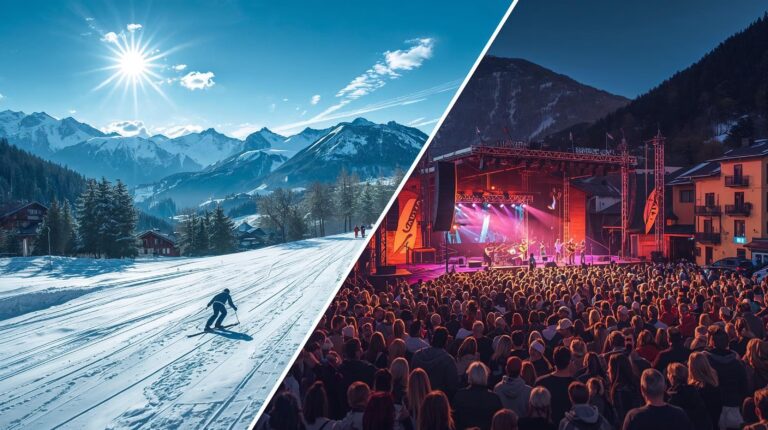
One of the brightest moments in modern history of Bansko was the XIX International Jazz Festival in August 2016. The city proved that it can be a hot spot even without snow. The culmination was the unforgettable concert of world star Joss Stone.
This event had a huge economic impact:
- Hotel occupancy in August: 100%.
- Growth in visits from Western European tourists during the summer season.
- Positioning Bansko as a destination for festival tourism.
Do you want to see the full archive data?
Our detailed report contains statistics on prices by region, exact number of nights and analysis of municipal decisions.
Challenges and Lessons: Ecology and Security
Of course, 2016 was not without its ups and downs. It was a year of intense public debates regarding the construction of a second gondola line and UNESCO monitoring of Pirin National Park. Clashes between environmentalists and supporters of the development of the ski area reached their peak, raising the question of the balance between nature and the economy.
The incidents on the slopes and some internal scandals within the local sports structures served as a „cold shower“ that led to tighter security measures and better control over the ski areas. These lessons made Bansko a safer place for tourists in the following years.
Conclusion: The Legacy of 2016
Today, looking back at the history of Bansko, we see that 2016 was the moment of maturation. The resort stopped being „Greek-dependent“ or „British-dependent.“ It started to find its own identity – a balanced mix of winter sports, summer cultural events and a stable property market dominated by local investors.
If you are planning a visit or investment in the region, understanding these processes is key. Bansko is not just a city, but a living organism that in 2016 proved that it can overcome crises and emerge stronger.
 English (UK)