
The experts' surprising statistics:
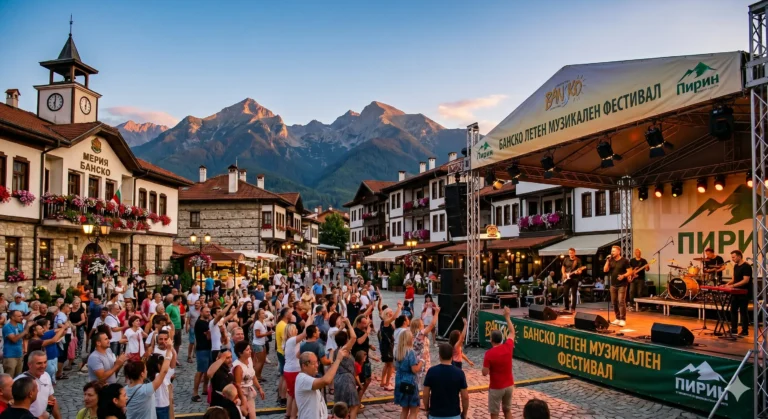
The actual number of days filled with various events in Bansko, varies between 115 and 135 days per year. This means that between 31.5% and 37% of the year is dedicated to culture, art and sports. In fact, almost every third day in the city offers a unique experience for its residents and guests.
This impressive result is due to the fact that the local government and the community are betting on multi-day formats. Major events in Bansko are not limited to a single weekend – they unfold over entire decades, weeks or months, infusing a continuous flow of energy and tourist interest.
The biggest multi-day festivals in Bansko
The municipality's calendar is structured to cover the needs of a diverse audience - from connoisseurs of classical and jazz art to fans of extreme sports and the digital lifestyle.
1. Bansko Jazz Festival – 10 days
During the first decade of August (traditionally from August 1 to 10), Bansko becomes the capital of jazz in the Balkans. This ten-day forum is one of the most prestigious musical events in Bansko and in all of Eastern Europe. The festival operates with three main stages, offering an intensive program of daytime side events and spectacular evening concerts on the square. Virtuosos from the USA, Japan, Canada, France, Sweden and the best Bulgarian jazzmen meet here.
2. Summer Cultural Evenings “Traditions and Art” – 85 days
This is the absolute record holder for the longest duration in all of Bulgaria. It takes place from the end of June (around June 28) to the second half of September (September 21). For nearly three months, the city is transformed into a huge open-air ethnographic stage. The program includes daily or weekly folklore performances, demonstrations of traditional crafts (weaving, woodcarving, spinning), culinary exhibitions of Bansko specialties and visiting art exhibitions. The project keeps alive the intangible cultural heritage of the region.
3. Holidays of Bansko traditions and customs – 8 days
Concentrated in the golden spring period from May 17 to 24, these eight days reveal the authentic soul of the local people. There are ethnographic and culinary exhibitions, evenings of typical Bansko humor, funny urban reenactments and folklore singing. The highlight is the exhibition “Made in Bansko”, which presents the craftsmanship of local woodworkers and craftsmen.
4. Bansko Nomad Fest – 7 days
At the end of June (around June 23-30), Bansko welcomes hundreds of digital nomads and remote workers from all over the globe. Over the course of a week, the festival combines inspiring lectures, networking sessions, business workshops and mountain adventures (hiking, rafting, mountain biking). This event injects a very modern, international energy into the local ecosystem.
5. Authentic Christmas Holidays and Customs – 6 days
From December 20 to 25, the city is immersed in Christmas magic. This is the time of ancient rites, caroling, the preparation of holiday breads and the Kukeri processions, which culminate on January 1 with the famous festival "Starchevata". These six days attract thousands of tourists wishing to experience a true, Bulgarian Christmas.
6. FIS Ski World Cup and winter sports events – 5-7 days
The winter calendar is dominated by the prestigious FIS Alpine Skiing and Snowboarding World Cup starts. Within a week in January or February Banderishka Polyana. becomes the arena of the world's sports elite, and Bansko is filled with thousands of foreign fans, journalists and television crews.
Monthly distribution of holidays
The dynamics of cultural life change depending on the tourist seasons. Here is how the days dedicated to various events in Bansko are distributed throughout the twelve months of the year:
| Month | Number of days with events | Main highlights and focus |
|---|---|---|
| January | 6 days | "Starchevata" Festival (Kukeri), Official opening of the ski season, winter celebrations |
| February | 5 days | FIS Ski/Snowboard World Cup, Indoor Opera Nights |
| March | 5 days | Liberation Day, Traditions for Baba Marta, Literary Days |
| April | 9 days | Easter church and folklore holidays, Children's music festivals |
| May | 12 days | Holidays of Bansko traditions, May Cultural Days, National holidays |
| June | 13 days | Bansko Nomad Fest, Start of the Summer Cultural Evenings, International Children's Festivals |
| July | 10 days | Bansko Rock Festival, Summer Theater Festival, Cinema under the Stars |
| August | 8 days | Bansko Jazz Festival, Cultural Evenings “Traditions and Art” |
| September | 6 days | Unity and Independence Day, Mountain Marathons and Cycling |
| October | 3 days | Bansko City Day (October 5), Historical reenactments |
| November | 1 day | Day of the National Awakeners, Educational and Museum Lectures |
| December | 7 days | Christmas festivals, Culinary exhibitions, New Year's holiday program |
Seasonal analysis: When do events in Bansko peak?
The seasonal distribution shows the strategic planning of the municipality and local businesses to overcome the interseasonal stagnation.
- Summer (June – August): 31+ eventful days (36.5% of the season). This is the absolute cultural and tourist peak. The city literally breathes through art. The mountain offers coolness during the day, and the evenings are reserved for the big stages under the open sky.
- Spring (March – May): 26+ event days (30.6% of the season). The focus here is on the awakening of nature, folklore and children's creativity. This period attracts strong domestic tourism around the Easter and May holidays.
- Winter (December – February): 18+ days with events (21.2% of the season). The events here are large-scale and highly commercial – international sporting events and massive Christmas and Kukeri fiestas that complement the skiing experience.
- Fall (September – November): 10+ event days (11.8% of the season). The most peaceful and secluded period, ideal for cultural and historical tourism, mountain running and visiting museums.
How to make the most of the cultural life in the city?
Whether you're a real estate investor, a digital nomad considering moving here, or just a tourist, the city's dynamism works in your favor. Here are three golden tips from local experts:
- Check the current calendar in advance: Bansko Municipality updates the detailed program of events quarterly. Always check the dates before booking your stay.
- Match your personal interests to the season: If you are looking for global networking and festivals, choose the June – August window. If your goal is pure sport and high adrenaline – January and February are your months.
- Integrate into the local community: Don't miss the smaller events like farmers' markets and craft demonstrations. They will give you a real feel for authentic Bansko.
Frequently Asked Questions (FAQ)
Are cultural events in Bansko paid?
Most large-scale festivals organized by the Bansko Municipality on the central square (including the Bansko Jazz Festival and the Rock Festival) are free admission for the audience.
When is the best time to visit traditional Kukeri games?
The most significant Kukeri event is the "Starchevata" festival, which is traditionally held on January 1st every year in different neighborhoods of the city.
Conclusion
Bansko is the perfect example of how a city can successfully combine its natural features with a rich cultural and historical heritage. With nearly 135 days a year dedicated to festivals and traditions, the city offers a stunning social life. Bansko is not just a place to relax – it is a destination to be experienced with all the senses.